
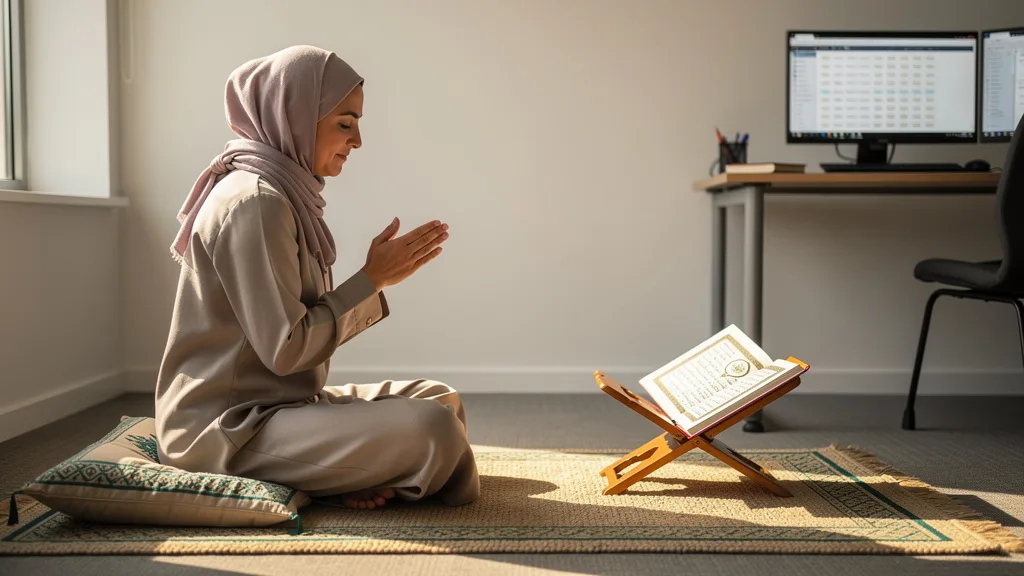
Have you ever wondered about the deep power held within the simple phrase, "Astaghfirullah"? This common utterance is more than just a word; it is a direct line to divine mercy, a tool for spiritual cleansing, and a source of profound peace for Muslims worldwide. Understanding its meaning and proper use can transform your relationship with Allah and bring immense tranquility to your daily life.
The direct Astaghfirullah meaning is "I seek forgiveness from Allah." It is a declaration of human fallibility and a humble plea for divine mercy and pardon. Muslims say this phrase to acknowledge their sins, mistakes, and shortcomings, seeking to purify their hearts and strengthen their connection with their Creator. It serves as a constant reminder of Allah's compassionate and forgiving nature.
The Core Meaning of Astaghfirullah
At its heart, "Astaghfirullah" (أَسْتَغْفِرُ ٱللَّٰهَ) translates to "I seek forgiveness from Allah." The root of the word, Gha-Fa-Ra (غ-ف-ر), carries the meaning of covering, concealing, and protecting. When you say Astaghfirullah, you are not only asking for your sins to be pardoned but also for them to be covered and for you to be protected from their negative consequences in this life and the hereafter. It is an admission of our inherent need for Allah's mercy.
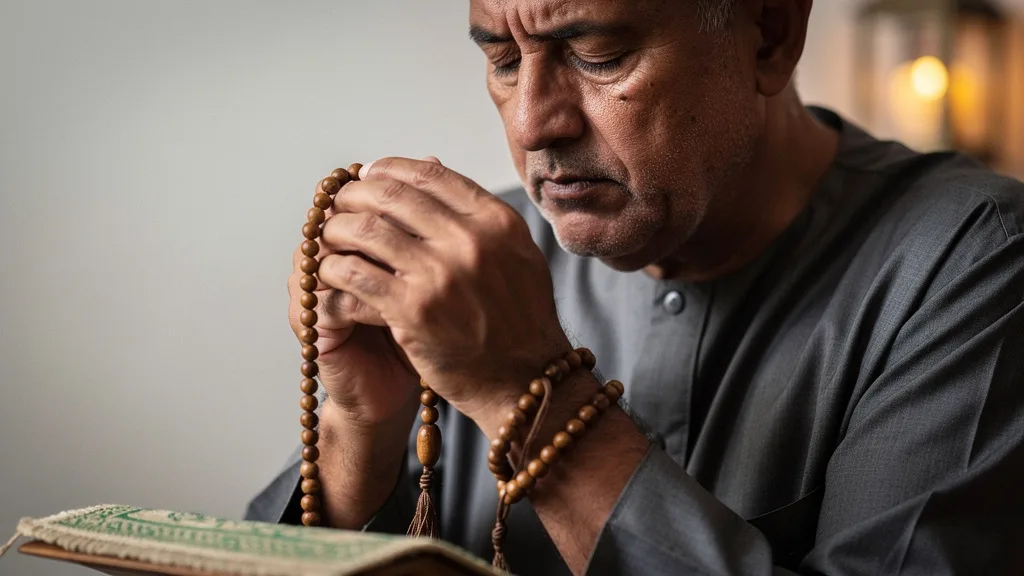
This phrase is a profound acknowledgment of Tawhid, the oneness of Allah. By directing your plea for forgiveness solely to Him, you affirm that He alone has the power to forgive sins. It is an act of humility, recognizing that as humans, we are prone to error, and it is only through Allah's infinite grace that we can find purification and peace. This simple yet powerful act of remembrance keeps the heart soft and connected to its source.
The Importance of Istighfar (Seeking Forgiveness) in Islam
Istighfar, the act of seeking forgiveness, is a central theme throughout the Quran and the teachings of the Prophet Muhammad (peace be upon him). Allah repeatedly encourages believers to turn to Him in repentance, reminding them of His boundless mercy. In the Quran, Allah says, "And seek forgiveness of Allah. Indeed, Allah is ever Forgiving and Merciful." (Surah An-Nisa, 4:106). This divine invitation is open to everyone, regardless of the magnitude of their sins.
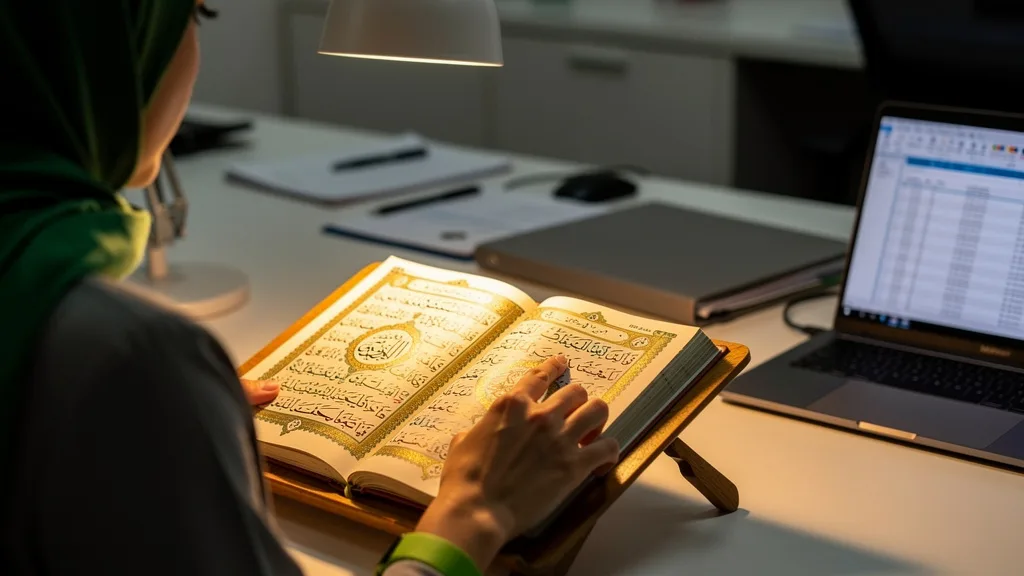
The Prophet Muhammad (peace be upon him), despite being sinless, was the foremost in seeking forgiveness to set an example for his followers. He is reported to have said, "O people, seek repentance from Allah. Verily, I seek repentance from Him one hundred times a day." (Sahih Muslim). This demonstrates that Istighfar is not just for those who have committed major sins; it is a continuous practice for spiritual maintenance, polishing the heart, and drawing closer to Allah.
"Istighfar is a key that opens locks. It brings relief from distress, a way out of every difficulty, and provides sustenance from sources you could never imagine."
When to Say Astaghfirullah: Recommended Times for Forgiveness
While you can and should seek forgiveness at any time, certain moments are highlighted in Islamic tradition as being particularly blessed for Istighfar. Incorporating this practice into these specific times can amplify its spiritual benefits and help you cultivate a consistent habit of remembrance and repentance.
During Daily Prayers (Salah)
The five daily prayers are a direct conversation with Allah, making them a perfect time for seeking His forgiveness. It is a common practice to say "Astaghfirullah" three times immediately after concluding the Fard (obligatory) part of the prayer, before engaging in other post-prayer dhikr. This act signifies humility, acknowledging any shortcomings in your worship and seeking pardon for them.
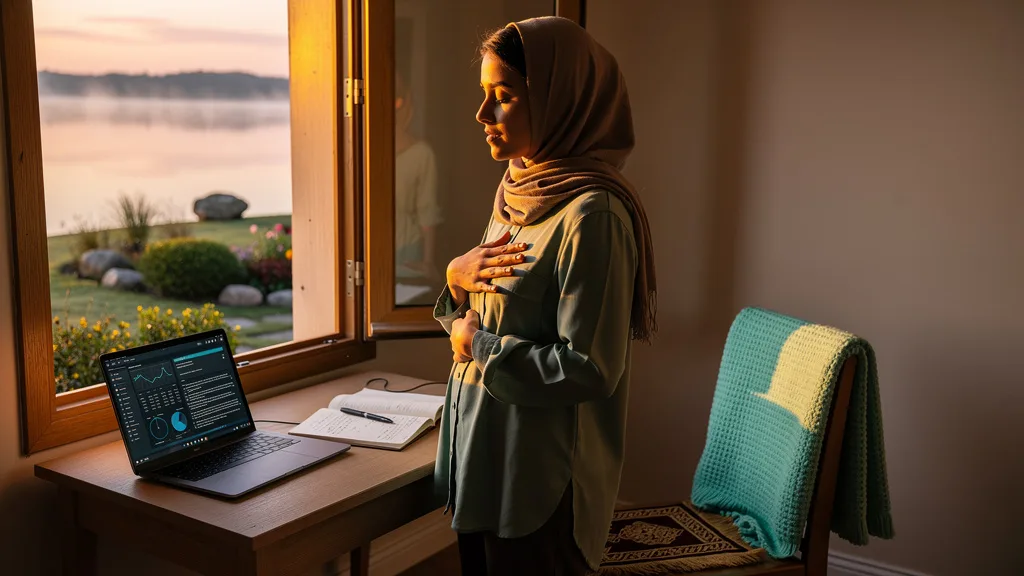
You can also incorporate Istighfar within the prayer itself, particularly during Sujood (prostration). This is the position where a servant is closest to their Lord, making it an intimate and powerful moment to pour out your heart and ask for forgiveness for your transgressions. Making this a regular part of your Salah deepens your connection and enhances the spiritual quality of your worship.
After Committing a Sin or Mistake
One of the most immediate and crucial times to say Astaghfirullah is right after you realize you have committed a sin, whether major or minor, intentional or unintentional. Turning to Allah swiftly with remorse demonstrates sincere repentance (Tawbah). It shows that you are conscious of your actions and eager to mend your relationship with your Creator.
Delaying repentance can allow the heart to harden and make one accustomed to sin. The Prophet Muhammad (peace be upon him) advised, "Follow up a bad deed with a good deed, and it will wipe it out." Seeking forgiveness immediately is a good deed that begins the process of erasing the negative mark of the sin, reflecting a sensitive and God-conscious heart.
Throughout the Day as a Form of Dhikr
Istighfar is also a powerful form of Dhikr (remembrance of Allah) that can be practiced throughout the day, regardless of your activity. You can say Astaghfirullah while commuting, doing chores, or during breaks at work. This practice of keeping your tongue moist with the remembrance of Allah helps you stay spiritually grounded and mindful of your purpose.
Regularly engaging in Istighfar as a form of Dhikr not only cleanses you of sins but also brings numerous blessings. It is known to alleviate stress, open doors to sustenance (rizq), and bring about a sense of peace and contentment. It transforms idle moments into acts of worship, constantly renewing your faith and connection to Allah.
In the Last Third of the Night
The last third of the night, especially the time before Fajr prayer (Sahar), is a profoundly blessed time for worship and supplication. Allah descends to the lowest heaven during this time and asks, "Who is calling upon Me that I may answer him? Who is asking from Me that I may give him? Who is seeking My forgiveness that I may forgive him?" (Sahih al-Bukhari).
Waking up for Tahajjud prayer and spending time in Istighfar during these quiet hours is one of the most beloved acts to Allah. It is a sign of true sincerity and devotion. The Quran praises those who "seek forgiveness in the early hours of the morning" (Surah Ali 'Imran, 3:17), highlighting this as a quality of the righteous.
Are There Different Forms of the Phrase for Seeking Forgiveness?
While "Astaghfirullah" is the most common and basic form of seeking forgiveness, Islamic tradition provides several variations, each with its own depth and beauty. Exploring these different ways to say Istighfar can enrich your spiritual practice and allow you to express your repentance more comprehensively.
The Basic Form: Astaghfirullah
This is the simplest and most frequently used form. Its brevity makes it easy to repeat hundreds of times a day as a constant form of dhikr. It encapsulates the core essence of seeking pardon from Allah and serves as a foundational practice for every Muslim. Even in its simplicity, it is a powerful statement of faith and humility.
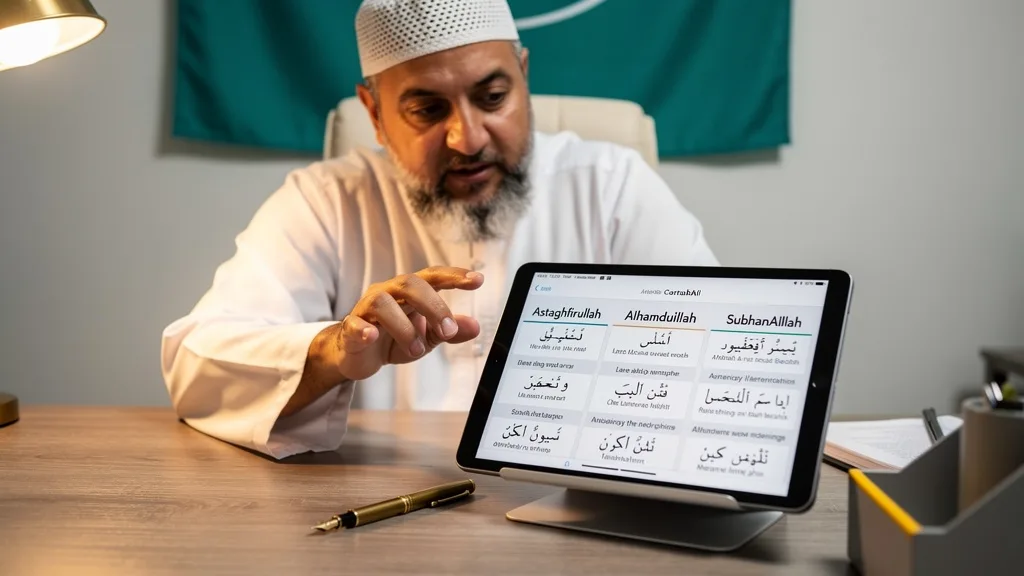
Repeating "Astaghfirullah" helps to polish the heart and keep one's consciousness turned towards God. It's a spiritual reset button that can be pressed anytime, anywhere, to cleanse oneself from the inevitable slips and errors of daily life. Its regular practice is a hallmark of a believer who is ever-mindful of their Lord.
A More Complete Form: Astaghfirullah wa atubu ilaih
This longer phrase, "Astaghfirullah wa atubu ilaih" (أَسْتَغْفِرُ ٱللَّٰهَ وَأَتُوبُ إِلَيْهِ), means "I seek forgiveness from Allah and I repent to Him." It adds the crucial element of Tawbah (repentance) to the plea for forgiveness. This signifies not just asking for a pardon but also making a firm commitment to turn away from the sin and return to the path of righteousness.
This form is more comprehensive because it combines asking for forgiveness for the past with a resolution for the future. It reflects a deeper level of remorse and a sincere desire for change. The Prophet Muhammad (peace be upon him) would often use this phrase, emphasizing the importance of coupling the request for pardon with the act of repentance.
Sayyidul Istighfar: The Master of Forgiveness
Sayyidul Istighfar is known as the master or chief form of seeking forgiveness. It is a beautiful and comprehensive dua taught by the Prophet Muhammad (peace be upon him), who described its immense virtue. He said, "Whoever says it during the day with firm faith in it and dies on that day before evening, he will be from the people of Paradise; and whoever says it during the night with firm faith in it and dies before morning, he will be from the people of Paradise." (Sahih al-Bukhari).
The dua is a profound declaration of Allah's lordship, an acknowledgment of His blessings, an admission of one's sins, and a comprehensive plea for forgiveness. It is a powerful supplication to memorize and recite every morning and evening to protect oneself and seek the highest level of divine mercy. It represents the pinnacle of expressing one's need for Allah's forgiveness.
Can Saying This Phrase Help With Anxiety and Stress?
In our fast-paced world, many people struggle with anxiety, stress, and a sense of unease. While modern solutions have their place, Islam offers a powerful spiritual remedy in the practice of Istighfar. The act of seeking forgiveness has a direct and profound impact on a believer's mental and emotional well-being.
Finding Inner Peace and Reducing Anxiety
Much of our anxiety stems from guilt over past mistakes, fear of the future, and a feeling of being overwhelmed by life's challenges. Saying Astaghfirullah addresses the root of this spiritual unease. By seeking forgiveness, you are unburdening your soul from the weight of sin and placing your trust in Allah's mercy, which brings an immediate sense of relief and tranquility (sakinah).
This practice shifts your focus from your problems to Allah's infinite power and compassion. It reminds you that you are not alone and that your mistakes do not define you. This change in perspective is a powerful antidote to the cycle of worry and stress, allowing your heart to find rest in the remembrance of your Lord. benefits of Ayat-ul-Kursi.
Strengthening Your Connection with Allah
Anxiety and a sense of detachment often arise when our spiritual connection weakens. Istighfar is a direct and intimate conversation with Allah that rebuilds and strengthens this bond. Each time you say "Astaghfirullah," you are actively turning towards your Creator, reaffirming your dependence on Him and your love for Him.
This constant communication fosters a feeling of closeness and security. Knowing that the Most Merciful is listening and ready to forgive provides immense comfort. A strong connection with Allah is the ultimate anchor in the storms of life, providing stability and confidence that can overcome any worldly anxiety.
Opening Doors to Blessings and Sustenance
The Quran and Hadith teach that consistent Istighfar is a key to unlocking worldly and spiritual blessings. The Prophet Nuh (peace be upon him) told his people, "Ask forgiveness of your Lord. Indeed, He is ever a Perpetual Forgiver. He will send [rain from] the sky upon you in [continuing] showers and give you increase in wealth and children and provide for you gardens and provide for you rivers." (Surah Nuh, 71:10-12).
This promise shows a direct link between seeking forgiveness and the alleviation of difficulties, including financial and personal stress. When you make Istighfar a constant part of your life, you are not only cleansing your sins but also inviting Allah's barakah (blessings) into your affairs, which naturally reduces stress and brings about a state of contentment and ease.
Astaghfirullah vs Subhanallah vs Alhamdulillah: Understanding the Difference
In the beautiful tapestry of Islamic dhikr, several key phrases are used to remember and praise Allah. While they all serve to increase one's connection to the Divine, they each have a distinct purpose and meaning. Understanding the difference between Astaghfirullah, Subhanallah, and Alhamdulillah is crucial for practicing dhikr correctly and meaningfully. Correctly understanding Quranic Arabic terms enriches your worship.
| Phrase | Arabic | Direct Meaning | Primary Purpose |
|---|---|---|---|
| Astaghfirullah | أَسْتَغْفِرُ ٱللَّٰهَ | I seek forgiveness from Allah | Seeking pardon for sins and shortcomings |
| Subhanallah | سُبْحَانَ ٱللَّٰهِ | Glory be to Allah | Glorifying and praising Allah's perfection |
| Alhamdulillah | ٱلْحَمْدُ لِلَّٰهِ | All praise is due to Allah | Expressing gratitude and thanks to Allah |
Astaghfirullah: For Seeking Forgiveness
As we have explored, Astaghfirullah is the phrase of repentance and pardon. It is said when one feels remorse for a sin, acknowledges a personal failing, or simply wishes to cleanse their spiritual slate. It is an expression of humility and dependence on Allah's mercy to cover our faults.
Subhanallah: For Glorifying Allah
Subhanallah means "Glory be to Allah" or "Allah is perfect." This phrase is used to express awe and wonder at Allah's creation, power, and perfection. You say it when you witness something beautiful, like a stunning sunset, or hear something that reminds you of Allah's majesty. It is a declaration that Allah is free from any imperfection or flaw that we might attribute to Him.
Alhamdulillah: For Showing Gratitude
Alhamdulillah translates to "All praise is due to Allah." This is the phrase of gratitude. It is said in times of ease and hardship, after finishing a meal, upon receiving good news, or simply to acknowledge the countless blessings Allah has bestowed upon us. It is a recognition that every good thing comes from Allah, and He deserves all thanks and praise for it.
Powerful Duas for Forgiveness That Include Istighfar
Beyond the standard forms of Istighfar, the Quran and Sunnah are filled with beautiful and comprehensive supplications for forgiveness. Incorporating these into your daily routine can deepen the sincerity of your repentance. Many of these are considered powerful duas for your needs, as forgiveness is the key to unlocking countless other blessings.
One of the most famous Quranic duas for forgiveness is the one taught to Adam (peace be upon him) after he was led astray: "Rabbana zalamna anfusana wa il lam taghfir lana wa tarhamna la nakunanna minal-khasirin" which means, "Our Lord, we have wronged ourselves, and if You do not forgive us and have mercy upon us, we will surely be among the losers." (Surah Al-A'raf, 7:23). This dua is a beautiful admission of wrongdoing and a complete reliance on Allah's mercy.
Another powerful dua from the Prophet Muhammad (peace be upon him) is: "Allahumma inni zalamtu nafsi zulman kathiran, wa la yaghfirudh-dhunuba illa Anta, faghfir li maghfiratan min 'indika, warhamni, innaka Antal-Ghafurur-Rahim." This translates to, "O Allah, I have wronged myself greatly, and none forgives sins except You, so grant me forgiveness from Yourself and have mercy on me. Indeed, You are the Forgiving, the Merciful." (Sahih al-Bukhari). This supplication beautifully combines an admission of sin with the affirmation that only Allah can forgive.
Key Takeaways
- Core Meaning: "Astaghfirullah" means "I seek forgiveness from Allah." It is a fundamental act of worship, humility, and repentance in Islam.
- Spiritual Importance: Regular Istighfar purifies the heart, strengthens one's connection with Allah, and serves as a reminder of His infinite mercy and compassion.
- Recommended Times: Key moments to seek forgiveness include after daily prayers, immediately after sinning, throughout the day as dhikr, and during the last third of the night.
- Mental and Emotional Benefits: The practice of saying Astaghfirullah is a powerful tool for reducing anxiety, finding inner peace, and unburdening the soul from guilt and stress.
- Unlocks Blessings: Consistent Istighfar is not only for spiritual cleansing but is also a means to attract Allah's blessings, sustenance, and relief from difficulties in life.
Frequently Asked Questions
What is the difference between Istighfar and Tawbah?
Istighfar is the act of seeking forgiveness with the tongue, by saying "Astaghfirullah." Tawbah (repentance) is a more comprehensive action of the heart that involves not only seeking forgiveness but also feeling deep remorse for the sin, stopping the sin immediately, and having a firm intention never to return to it. Istighfar is a part of Tawbah, but true Tawbah requires these internal conditions to be met for it to be complete and accepted.
How many times a day should you say Astaghfirullah?
There is no strict minimum or maximum number of times you must say Astaghfirullah. However, the example of the Prophet Muhammad (peace be upon him), who sought forgiveness 100 times a day, is a beautiful model to follow. The key is consistency and sincerity. Many Muslims aim for at least 100 times daily, often using a tasbeeh (prayer beads) or their fingers to keep count, but the more you remember Allah and seek His forgiveness, the better.
Can you seek forgiveness on behalf of someone else in Islam?
Yes, it is permissible and even encouraged in Islam to make dua and seek forgiveness for other Muslims, whether they are living or deceased. The Quran mentions the angels seeking forgiveness for believers on Earth. When you pray for forgiveness for your brother or sister in faith, an angel says, "Ameen, and for you is the same." This beautiful act fosters love and unity within the Muslim community and is a source of immense reward.
What are the best Islamic apps for dhikr reminders in 2026?
As of 2026, several excellent apps can help you maintain a consistent dhikr routine. Apps like Muslim Pro and Pillars: Prayer Times & Qibla offer customizable dhikr counters and timely reminders. Another popular choice is Dhikr & Dua, which provides a vast collection of supplications from the Quran and Sunnah. These tools are wonderful for helping you integrate the remembrance of Allah, including Istighfar, seamlessly into your busy modern life.
Conclusion
Understanding the Astaghfirullah meaning and integrating it into your daily life is a transformative spiritual practice. It is more than just an utterance; it is an act of renewal, a source of peace, and a key to unlocking Allah's infinite mercy and blessings. By consciously seeking forgiveness, you cleanse your heart, strengthen your faith, and navigate life's challenges with greater tranquility and confidence in your Creator's plan. Make Istighfar your constant companion, and witness the profound positive changes it brings to your spiritual and worldly affairs.
If you or your family wish to deepen your understanding of the Quran and its beautiful teachings in a supportive environment, Hidayah Quran Academy offers private one-on-one classes with qualified female teachers. We provide a comfortable and modest learning space for sisters, children, and beginners. Start your journey today with a complimentary 30-minute trial session. Book Free Trial.