
Are you an expectant mother seeking spiritual comfort and blessings for your unborn child? Pregnancy is a profound journey filled with hope, anticipation, and a deep connection to Allah (SWT). Incorporating specific Arabic duas for a healthy pregnancy can bring immense peace, protection, and barakah to you and your baby.
For Muslim mothers, turning to the Quran and Sunnah provides a powerful source of strength. Specific supplications and verses are recommended to seek a healthy child, ease the challenges of pregnancy, and prepare for a safe delivery. These prayers are a beautiful way to communicate with Allah, placing your trust in His divine plan and asking for His mercy and blessings during this transformative time.
The Spiritual Importance of Dua During Pregnancy
Dua, or supplication, is one of the most powerful tools a believer possesses. It is a direct conversation with Allah (SWT), an expression of our needs, hopes, and gratitude. During pregnancy, a time of immense physical and emotional change, making dua becomes a vital source of spiritual nourishment and comfort. It reinforces your reliance on Allah for the well-being of both yourself and the precious life growing within you.
The act of making dua is an act of worship that acknowledges Allah's ultimate control over all things. When an expectant mother raises her hands in prayer, she is entrusting her journey to the Best of Planners. This practice not only seeks divine intervention for a healthy baby and an easy delivery but also strengthens the mother's faith and patience. It transforms moments of anxiety into moments of connection with the Creator, fostering a positive and spiritually grounded mindset throughout the Muslim Pregnant: Arabic Duas for a Healthy Pregnancy journey.
Key Quranic Verses for Expectant Mothers
The Quran is a guide for all aspects of life, and it contains verses that offer profound comfort and wisdom for expectant mothers. Reflecting on these verses can provide strength and serve as a reminder of the honored status of mothers in Islam. Reciting them regularly is a beautiful way to connect with Allah's words and seek His blessings.
Surah Al-Ahqaf (46:15): Acknowledging a Mother's Hardship
This powerful verse highlights the struggles and sacrifices of motherhood, elevating the status of mothers. Allah says, "And We have enjoined upon man, to his parents, good treatment. His mother carried him with hardship and gave birth to him with hardship..." (Quran 46:15). Reciting this verse can be a source of great comfort, as it is a divine acknowledgment of the challenges you are enduring.
Reflecting on this ayah reminds you that your efforts and difficulties are seen and valued by Allah. It encourages patience and gratitude, framing the physical trials of pregnancy as a spiritually significant act for which you will be rewarded. This recognition can empower you to face the journey with a renewed sense of purpose and faith.
Surah Luqman (31:14): Gratitude and Honor for Parents
Similar to the verse in Surah Al-Ahqaf, this verse also speaks to the hardships of a mother. "And We have enjoined upon man [care] for his parents. His mother carried him, [increasing] in weakness upon weakness, and his weaning is in two years. Be grateful to Me and to your parents; to Me is the [final] destination" (Quran 31:14). This verse emphasizes the immense debt of gratitude owed to mothers.
For an expectant mother, reciting this verse is a reminder of the noble station she is entering. It connects her own experience to a legacy of maternal sacrifice honored by Allah. It also serves as a beautiful dua in itself, fostering a spirit of gratitude for one's own parents while praying for the strength to be a righteous parent to the child to come.
Surah Maryam (19): Finding Strength and Seeking Ease
Surah Maryam is deeply connected to the themes of motherhood, divine mercy, and miraculous birth. It narrates the story of Maryam (Mary), the mother of Isa (Jesus), peace be upon them, highlighting her piety, strength, and the miraculous support she received from Allah during her pregnancy and childbirth. Reading this Surah can bring immense peace and hope.
The story of Maryam (AS) provides a powerful role model for expectant mothers. It illustrates how Allah provides for and eases the difficulties of those who place their complete trust in Him. Reciting this chapter, especially when feeling anxious about labor and delivery, can be a source of profound spiritual strength and a reminder that you are never alone.
Essential Arabic Duas for a Healthy Pregnancy and Baby
Beyond reciting Quranic verses, there are specific prophetic duas and general supplications that are highly recommended for expectant mothers. These prayers are concise, powerful, and address the core concerns of pregnancy: the health of the child, protection from harm, and ease in delivery.
Dua for a Righteous and Healthy Child
This is the beautiful dua of Prophet Zakariyya (AS) when he asked Allah for a child. It is a comprehensive prayer for not just a healthy child, but a righteous one. Recite this frequently throughout your pregnancy: "Rabbi hab li min ladunka dhurriyyatan tayyibatan, innaka samee'ud-du'a." (My Lord, grant me from Yourself a good offspring. Indeed, You are the Hearer of supplication.) - Quran 3:38.
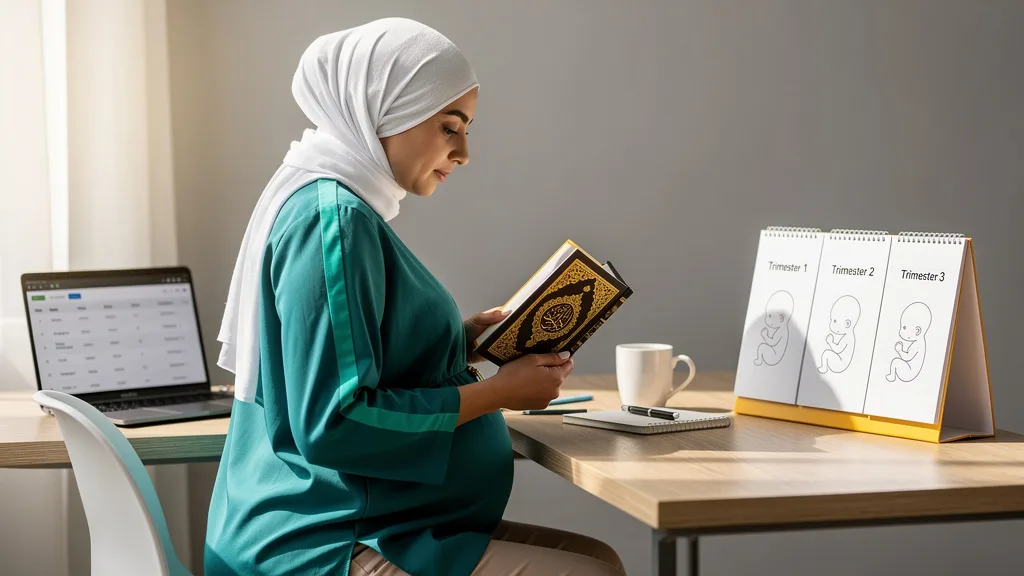
This prayer sets the intention for raising a child who will be a source of goodness in this world and the hereafter. It is a beautiful supplication that covers both the physical and spiritual well-being of your baby. To learn more about supplications, you may find our guide on powerful duas to get what you want insightful.
Dua for Protection from All Harm
Seeking protection for your unborn child is a natural instinct for any mother. This powerful dua is recommended for seeking refuge in Allah from all evil and harm. Recite it over your belly, especially in the morning and evening: "A'udhu bikalimatillahit-tammati min sharri ma khalaq." (I seek refuge in the perfect words of Allah from the evil of that which He has created.)
This supplication entrusts your baby's safety to Allah, protecting them from unseen harm, jealousy, and any form of evil. It is a simple yet profound way to place a shield of divine protection around your child even before they are born, bringing peace of mind to the mother.
Dua for an Easy and Safe Delivery
As your due date approaches, anxiety about labor and delivery is common. Turning to Allah for ease is the best remedy. A highly recommended dua for this purpose is: "Allahumma la sahla illa ma ja'altahu sahla, wa 'anta taj-alul hazna idha shi'ta sahla." (O Allah, there is no ease except in that which You make easy, and You make the difficult, if You wish, easy.)
Reciting this dua frequently during the third trimester and especially during labor can bring immense calm and relief. It is a declaration of complete reliance on Allah's power to turn a difficult situation into an easy one, strengthening your trust in His plan and His mercy during the final stages of your pregnancy in Islam.
Dua for Gratitude for Allah's Blessings
Gratitude is a key to increasing blessings. Throughout your pregnancy, it is important to thank Allah for the gift of life He has placed within you. A simple and beautiful dua for gratitude is: "Rabbi awzi'ni an ashkura ni'matakallati an'amta 'alayya wa 'ala walidayya wa an a'mala salihan tardahu wa aslih li fi dhurriyyati." (My Lord, enable me to be grateful for Your favor which You have bestowed upon me and upon my parents and to do righteousness of which You approve. And be gracious to me in my offspring.) - Quran 46:15.
This comprehensive dua not only expresses gratitude but also asks for the ability to do good deeds and for righteousness to be extended to your offspring. It connects your personal blessing to a wider legacy of faith and good character, making it a perfect supplication for an expectant mother.
Recommended Duas for Each Trimester
While all duas are beneficial throughout pregnancy, you can focus on specific supplications during each trimester to align with the developmental stages of your baby and your own needs as a mother-to-be.
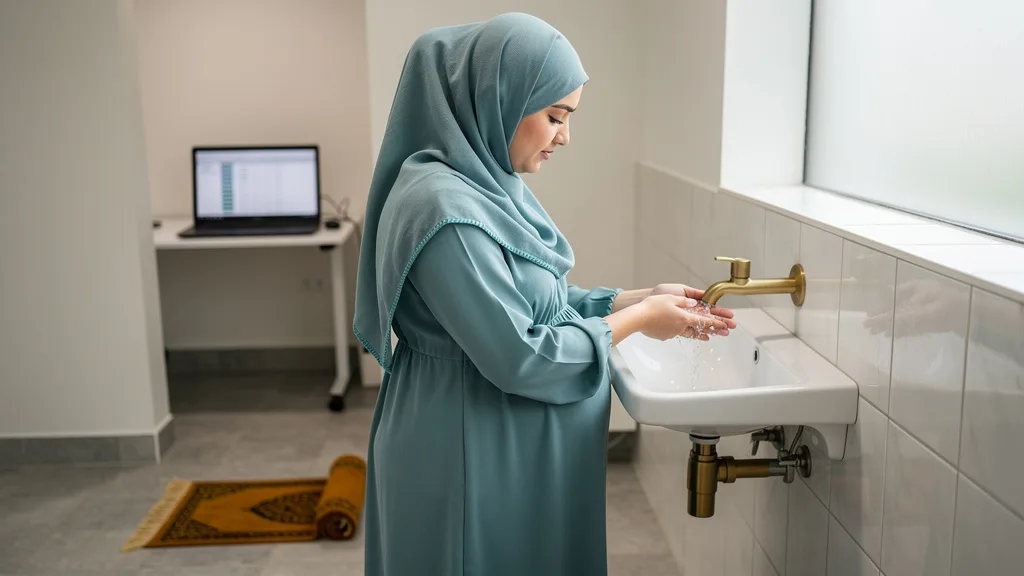
The journey of pregnancy is often divided into three distinct stages, each with its unique milestones and challenges. Focusing your duas can help you feel more connected to both your baby's development and your spiritual path.
| Trimester | Primary Focus | Recommended Supplication |
|---|---|---|
| First Trimester (Weeks 1-12) | For implantation, stability, and protection against miscarriage. | Recite Surah Al-Mu'minun (23:12-14) and the dua of Prophet Zakariyya (AS). |
| Second Trimester (Weeks 13-28) | For the baby's healthy physical, mental, and spiritual development. | Recite Surah Luqman (31) and ask Allah to perfect your child's creation (khalq) and character (khuluq). |
| Third Trimester (Weeks 29-40) | For strength for the mother, patience, and an easy, safe delivery. | Recite Surah Maryam (19) and the dua for ease: "Allahumma la sahla..." |
First Trimester: For a Strong and Stable Pregnancy
The first trimester is a critical time for the baby's development and the stability of the pregnancy. Focus your duas on seeking Allah's protection to secure the pregnancy and grant the fetus a strong start. Reciting Ayat al-Kursi (Quran 2:255) daily is an excellent way to seek protection.
In addition, frequently recite the verses from Surah Al-Mu'minun that describe the stages of creation: "And certainly did We create man from an extract of clay. Then We placed him as a sperm-drop in a firm lodging. Then We made the sperm-drop into a clinging clot, and We made the clot into a lump [of flesh], and We made [from] the lump, bones, and We covered the bones with flesh; then We developed him into another creation. So blessed is Allah, the best of creators" (Quran 23:12-14).
Second Trimester: For the Baby's Physical and Spiritual Well-being
During the second trimester, your baby's organs are fully formed, and you may begin to feel their movements. This is a beautiful time to make dua for their complete and healthy development, both physically and spiritually. Focus on asking Allah to make your child righteous, pious, and a source of coolness for your eyes.
"During pregnancy, every prayer for your child is heard. Ask Allah not only for their health but for their deen, their character, and their future. Your duas as a mother are a powerful foundation for their entire life." - Hidayah Quran Academy
A beautiful dua to make is: "Allahumma ahsin khulqahu kama ahsanta khalqahu" (O Allah, perfect his character just as You have perfected his creation). This prayer asks for both physical perfection and a beautiful character, which is the ultimate goal for any Muslim parent.
Third Trimester: For Strength, Patience, and Ease in Labor
The final trimester is a time of anticipation and preparation for birth. Your duas should focus on asking Allah for physical strength, patience to endure the final weeks, and, most importantly, a safe and easy labor and delivery. As mentioned earlier, Surah Maryam is particularly powerful during this time.
Continue to recite the dua for ease ("Allahumma la sahla...") and the dua of Prophet Yunus (AS) when he was in distress: "La ilaha illa anta subhanaka inni kuntu minaz-zalimin" (There is no deity except You; exalted are You. Indeed, I have been of the wrongdoers) - Quran 21:87. This is a powerful supplication for seeking relief from any difficulty.
Best Practices for Making Dua While Pregnant
To enhance the effectiveness of your supplications, it is beneficial to follow certain practices recommended in Islam. These adab (etiquettes) of dua can increase the likelihood of your prayers being accepted and bring you closer to Allah.
Choosing Optimal Times for Supplication
While you can make dua at any time, certain times are considered more blessed and conducive to acceptance. Seizing these opportunities can add weight to your prayers.
- The last third of the night: This is a time when Allah (SWT) descends to the lowest heaven and asks who is calling upon Him.
- Between the adhan and iqamah: Dua made during this time is not rejected.
- While in prostration (sujood): A servant is closest to their Lord when they are in prostration.
- On Fridays: There is an hour on Friday when any dua a Muslim makes is granted.
Maintaining a State of Purity (Wudu)
Being in a state of wudu (ablution) while making dua is highly recommended. Purity is beloved by Allah, and approaching Him in a state of cleanliness shows reverence and sincerity. It helps focus the mind and heart on the act of supplication, removing distractions and elevating the spiritual connection.
Facing the Qiblah and raising your hands are also part of the sunnah of making dua. These physical acts align your entire being towards Allah, symbolizing your complete submission and neediness before Him. This holistic approach can make your prayer experience more profound and impactful.
Having Certainty in Allah's Mercy and Response
One of the most critical aspects of making dua is having Yaqeen, or absolute certainty, that Allah will respond. Pray with a heart full of hope and good expectations of Allah. Believe that He is All-Hearing, All-Knowing, and the Most Merciful, and that He will grant you what is best for you and your child.
Avoid being hasty or impatient for a response. The Prophet Muhammad (peace be upon him) said that a person's dua will be answered as long as they are not impatient. Trust in Allah's timing and wisdom, knowing that His plan is perfect. This unwavering faith is in itself an act of worship that is beloved to Him.
Key Takeaways
Pregnancy is a sacred trust and a blessed journey for a Muslim woman. Turning to Allah through dua is the most powerful way to seek a healthy pregnancy, a righteous child, and a safe delivery. By integrating Quranic verses and specific supplications into your daily routine, you can find immense spiritual comfort and strength.
- Dua is a vital tool for spiritual nourishment and seeking protection during pregnancy.
- Key Quranic chapters like Surah Maryam, Surah Luqman, and Surah Al-Ahqaf offer profound comfort for expectant mothers.
- Specific Arabic duas can be recited for the baby's health, protection from harm, and an easy delivery.
- Tailoring your duas for each trimester helps address the specific needs of that stage.
- Following the best practices for making dua, such as choosing optimal times and having certainty in Allah's response, can enhance its effectiveness.
Frequently Asked Questions
What Surah is best to read during pregnancy?
While many Surahs are beneficial, Surah Maryam (Chapter 19) is highly recommended for expectant mothers. It narrates the miraculous birth of Prophet Isa (AS) and highlights Allah's mercy and power, which can bring immense comfort and hope, especially when feeling anxious about labor and delivery. Reading Surah Luqman and Surah Yusuf is also recommended.
Ultimately, the entire Quran is a source of healing and blessings. Establishing a daily connection with the Quran, regardless of the chapter, will bring peace and barakah to your pregnancy. Consistency is more important than focusing on just one specific Surah.
Can I make dua for my baby in my own language?
Yes, absolutely. Allah (SWT) is the creator of all languages and understands every supplication from the heart, regardless of the language it is spoken in. While reciting the specific duas from the Quran and Sunnah in Arabic carries special blessings, making heartfelt dua in your native tongue is powerful and encouraged.
The most important aspect of dua is sincerity and the connection you feel with your Creator. Speaking to Allah in the language you are most comfortable with can often lead to a more profound and personal conversation, which is the essence of supplication.
How often should I recite these duas for pregnancy?
You should aim to recite these duas as often as you can, integrating them into your daily routine. A good practice is to recite them after each of your five daily prayers. You can also make a habit of reciting protective duas in the morning and evening, and specific duas for ease as you get closer to your delivery date.
Consistency is key. The more you remember Allah and call upon Him, the more peace and tranquility you will feel. Don't see it as a chore, but as a beautiful opportunity to bond with your baby and connect with Allah throughout this special time.
Are there specific duas to have a boy or a girl?
Islam teaches us to be content with the decree of Allah. The gender of a child is determined by Allah alone. While there are no specific duas from the Quran or authentic Sunnah to ask for a specific gender, you can make a general dua asking Allah for a righteous and healthy child, and what is best for you and your family.
The primary focus should be on praying for a child who is healthy, pious, and a source of joy, regardless of gender. Trusting in Allah's wisdom and being grateful for His gift, whether it is a boy or a girl, is the best approach for a believer.
What else can I do besides making dua for a healthy baby?
In addition to making dua, Islam encourages us to take practical steps. This includes maintaining a healthy diet, getting regular medical check-ups with your doctor, taking prescribed prenatal vitamins, and getting adequate rest. This is part of trusting in Allah (tawakkul) while also tying your camel.
Furthermore, engage in other acts of worship like giving charity (sadaqah) on behalf of your unborn child, reading the Quran, and making dhikr (remembrance of Allah). These actions, combined with your duas and practical efforts, create a holistic approach to ensuring a healthy and blessed pregnancy.
Conclusion
Embracing the spiritual practice of dua during pregnancy is a beautiful way to nurture your faith while you nurture the life within you. This guide provides a foundation, but the most powerful supplication is the one that comes sincerely from your heart. Trust in Allah's infinite mercy, and may He grant you a safe pregnancy, an easy delivery, and a righteous, healthy child who will be a source of joy for you in this life and the next.
If you wish to deepen your connection with the Quran and learn to recite these beautiful duas with proper Tajweed, we are here to support you. Hidayah Quran Academy offers private, one-on-one classes with qualified female teachers for sisters and children. Start your journey with a free 30-minute trial class. Book Free Trial.