
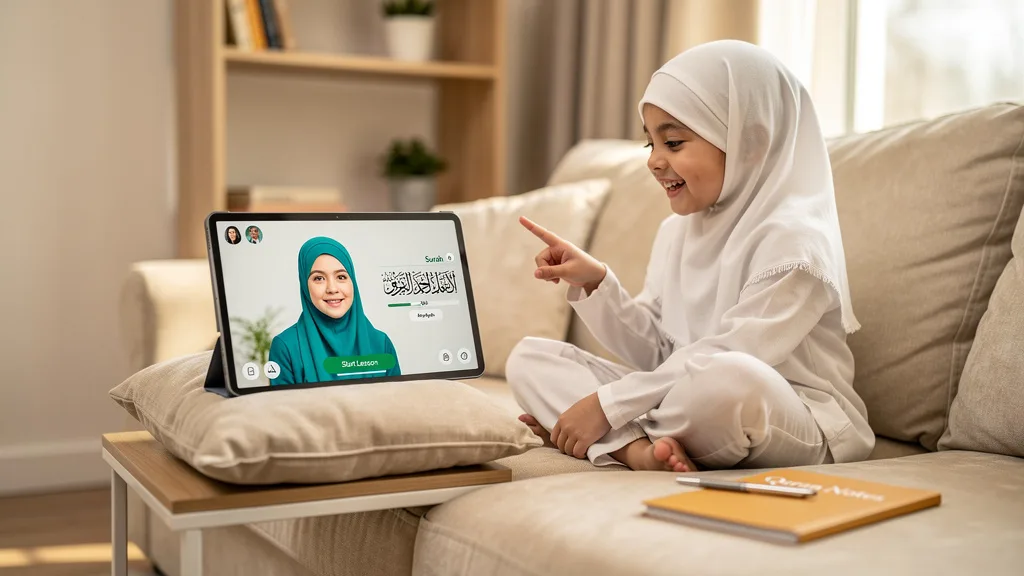
Are you looking for a way to help your child embark on the blessed journey of memorizing the Holy Quran from the comfort of your home? An online Hifz for kids program bridges the gap between this profound spiritual ambition and the practical realities of modern family life. These programs utilize certified female teachers, known as Hafizas, who employ proven techniques like the Sabaq and Sabqi method. This structured approach, delivered through one-on-one online classes, makes Quran memorization accessible, engaging, and effective for children worldwide.
What Is an Online Hifz Program for Kids?
An online Hifz program is a structured course designed to help children memorize the Holy Quran through live, one-on-one video sessions with a qualified teacher. Unlike traditional madrasa settings, these programs offer the flexibility to learn from anywhere in the world, fitting around school and family schedules. They leverage common communication tools like Zoom, WhatsApp, and Google Meet to connect students directly with their instructors, creating a personalized and focused learning environment.
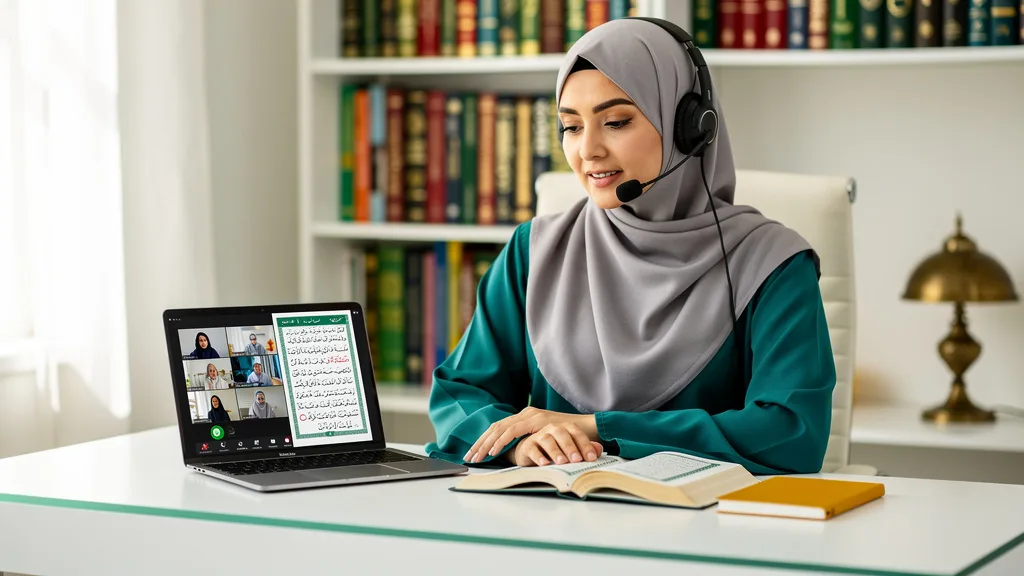
The primary goal of these programs is to make the sacred journey of Hifz accessible to every Muslim family, regardless of their location. For parents in the UK, USA, Australia, and UAE, finding a local, qualified teacher, especially a female one, can be challenging. Online programs solve this by bringing expert Quran teachers directly into your home. This approach maintains the integrity of traditional teaching methods while embracing the convenience of modern technology, ensuring your child receives high-quality instruction tailored to their individual pace and learning style.
The Role and Benefits of a Certified Female Hafiza
A Hafiza is a female who has successfully memorized the entire Quran. In the context of an online Hifz program, a certified female hafiza is not just a memorizer but a qualified teacher and a spiritual mentor. For many families, particularly when teaching young girls or for mothers who wish to supervise lessons, having a female teacher creates a comfortable, modest, and relatable learning atmosphere. A female teacher can serve as a powerful role model, inspiring your daughter to pursue her own spiritual goals with confidence.
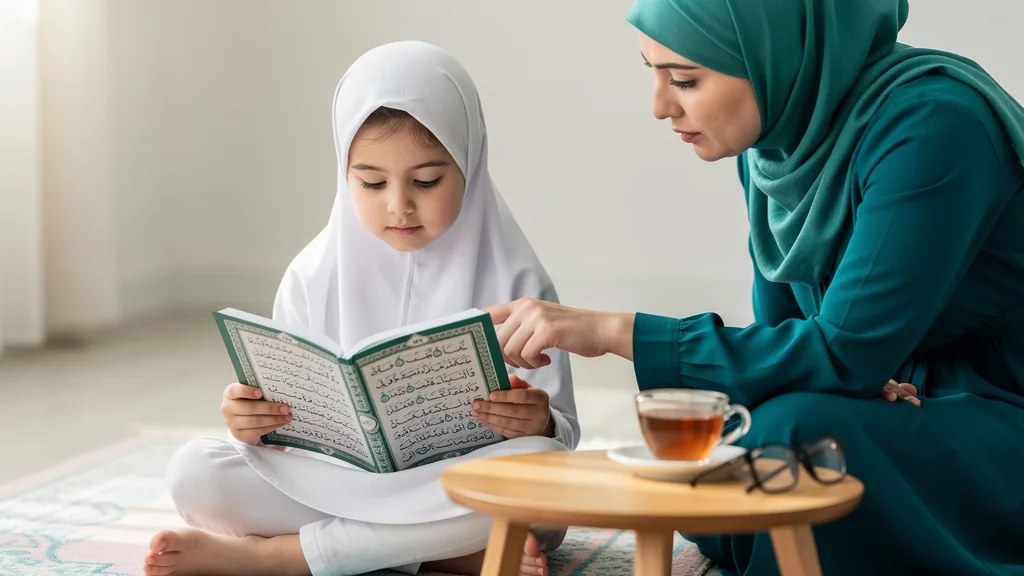
The benefits extend beyond comfort. A certified Hafiza understands the unique challenges and learning patterns of children. She can build a nurturing and patient rapport, which is essential for the long and disciplined journey of memorization. At Hidayah Quran Academy, our female teachers are not only experts in Tajweed and memorization techniques but are also trained to keep young learners engaged and motivated. You can learn more about finding the right instructor in our guide to hiring a female Quran teacher online.
Understanding the Proven Sabaq and Sabqi Method
The foundation of any successful Hifz program is a systematic revision method. The most widely used and effective technique is a three-part process involving Sabaq (the new lesson), Sabqi (recent revision), and Manzil (older revision). This structure ensures that memorized verses are not just learned for the day but are consistently reviewed until they are firmly committed to long-term memory. A skilled teacher expertly balances these three components in each class to build a strong and lasting foundation for your child's Hifz.
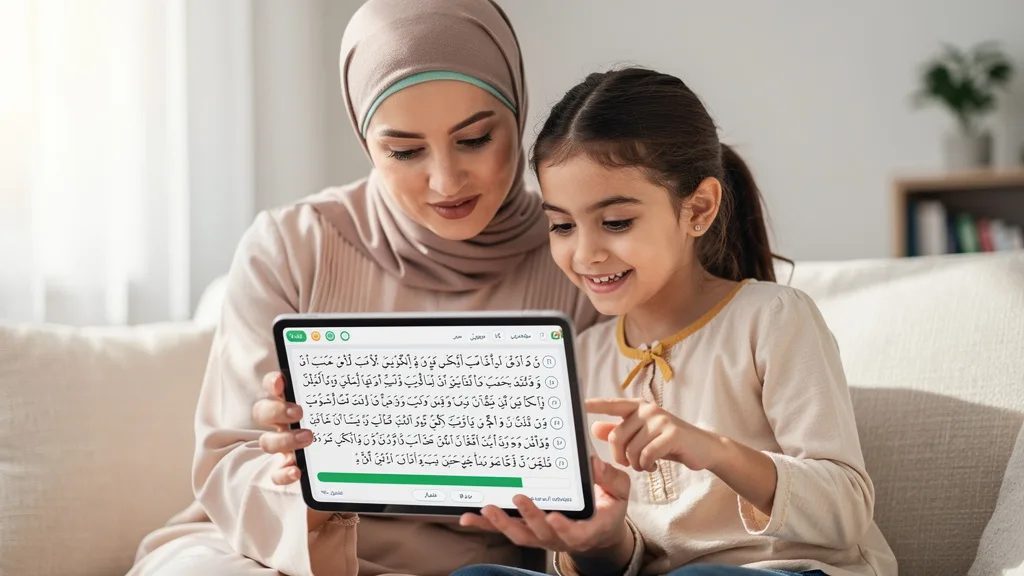
This time-tested methodology breaks down the monumental task of memorizing the Quran into manageable daily goals. It creates a clear routine that helps children build discipline and see consistent progress, which is crucial for maintaining motivation. The teacher's role is to guide the student through each stage, correcting mistakes in pronunciation (Tajweed) and recitation, and ensuring each part is mastered before moving on. Understanding this process helps parents support their child's learning at home effectively.
| Component | Meaning | Purpose | Typical Scope |
|---|---|---|---|
| Sabaq | New Lesson | To introduce and accurately memorize a new portion of the Quran. | A few new lines or a small part of a page. |
| Sabqi | Recent Revision | To transfer newly memorized verses from short-term to mid-term memory. | The last 7-10 days of Sabaq (approx. half to one page). |
| Manzil | Old Revision | To consolidate older portions and ensure long-term retention. | At least one previously memorized Juz (Para). |
Sabaq: Mastering the New Lesson
Sabaq is the new portion of the Quran that your child will memorize during the class. The process begins with the teacher reciting the new verses with perfect Tajweed, ensuring the student hears the correct pronunciation, rhythm, and intonation. The student then repeats the verses after the teacher, who provides immediate feedback and corrections. This interactive process continues until the student can recite the new lesson with accuracy and confidence.
The focus of the Sabaq is quality over quantity. A good teacher will not rush this stage, as any mistakes learned here can become difficult to correct later. This part of the lesson builds the fundamental blocks of your child's memorization. The teacher will assign this new lesson as homework for the student to perfect before the next class, where it will become part of their Sabqi.
Sabqi: Revising Recent Memorization
Sabqi refers to the revision of the lessons that have been recently memorized, typically the collection of Sabaq from the past several days or week. This is a critical step that prevents the student from forgetting what they have just learned. During this part of the class, the student recites the recent lessons by heart, without looking at the Quran. The teacher listens carefully for any errors in memory, pronunciation, or flow.
This daily revision solidifies the verses in the student's mind, moving them from fragile short-term memory into more stable, mid-term retention. It acts as a bridge between learning something new and knowing it permanently. A consistent Sabqi routine is often what separates a successful Hifz student from one who struggles to retain what they have learned. It builds confidence and ensures the foundation of memorization is strong.
Manzil: Consolidating Older Portions
Manzil is the third and final pillar of the daily revision process. It involves reciting a substantial portion of the Quran that was memorized much earlier, such as a full Juz' (Para) or more. The purpose of Manzil is to ensure long-term retention and to keep the entire memorized portion fresh and polished. Without regular Manzil review, even well-memorized chapters can fade over time.
This part of the practice builds stamina and a holistic command of the Quran. The student typically recites their Manzil to the teacher periodically or reviews it independently as part of their daily routine. It is the ultimate safeguard against forgetting and completes the cycle of learning, ensuring that what is memorized stays memorized for life, Insha'Allah. This disciplined review is a hallmark of a comprehensive Hifz program. Female Tajweed teacher online.
How to Start Your Child's Online Hifz Journey
Beginning the Hifz journey for your child is an exciting step, and an online format makes it more accessible than ever. By following a few simple steps, you can set your child up for a successful and rewarding experience. The process involves assessing your child's readiness, finding the right program, and creating a supportive learning environment at home.
Step 1: Assess Your Child's Readiness and Goals
Before enrolling your child, it is important to assess their readiness. A child should ideally be able to read the Arabic script with some fluency. A great starting point is completing a Noorani Qaida online course to build a strong foundation in pronunciation. Equally important is your child's own interest and motivation. Have a conversation with them about the beauty and reward of memorizing the Quran to nurture their desire to learn.
It is also crucial to set realistic and flexible goals. Not every child needs to aim for memorizing the entire Quran from the start. You can begin with a goal of memorizing the last Juz' (Juz Amma) or other specific Surahs. As they progress and build confidence, you can adjust the goals together. This approach prevents burnout and keeps the learning process positive and encouraging.
The next step is to research and find a reputable online Hifz program. Look for academies that offer one-on-one classes, as personalized attention is key for memorization. Ensure their teachers are certified and experienced, especially if you are seeking a female teacher for your daughter or for a more comfortable learning environment. Reading reviews from other parents can provide valuable insight into the quality of the program and the effectiveness of its teachers.
Consider the curriculum and teaching methodology. Does the program emphasize proper Tajweed from the beginning? Do they follow a structured revision plan like the Sabaq and Sabqi method? A well-structured program will have a clear plan for progress. For families with sisters or ladies looking to start, there are dedicated online Hifz classes for sisters that offer a similarly supportive environment.
Step 3: Schedule a Free Trial Class
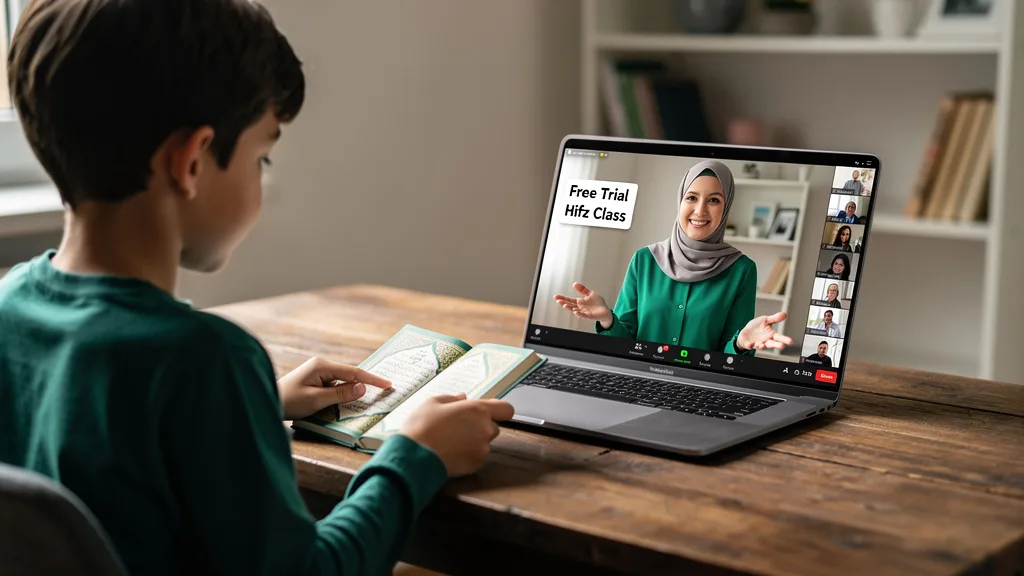
A free trial class is perhaps the most important step in the selection process. It offers a no-risk opportunity to experience the teacher's style, the platform's technology, and the overall dynamic of an online lesson. During the trial, you and your child can meet the teacher and see if there is a good connection. This is your chance to assess the teacher's patience, communication skills, and ability to engage your child.
Use this session to ask questions about the teaching plan, how progress is tracked, and what is expected of the student and parents. At Hidayah Quran Academy, we encourage all families to take our free 30-minute trial class. It is the best way to ensure that our program and our teacher are the perfect fit for your child's spiritual and educational journey before you make any commitment.
Step 4: Create an Effective At-Home Learning Space
Once you have chosen a program, creating a dedicated and effective learning space is crucial for your child's success. Designate a quiet area in your home that is free from distractions like television, toys, or family conversations. This helps your child focus completely during their lesson and signals that it is time for serious learning. A consistent space helps build a routine and a mindset for study.
Ensure the technical setup is reliable. This includes a stable internet connection, a computer or tablet with a working webcam, and a headset with a microphone. A headset is particularly important as it helps to block out background noise and allows your child and the teacher to hear each other clearly. A well-organized, quiet, and technically sound learning environment is a simple but powerful way to support your child's online Hifz journey.
What to Expect in a Typical Online Hifz Class
A typical one-on-one online Hifz class is a structured and focused session, usually lasting between 30 to 60 minutes. The class begins with Islamic greetings and a brief warm-up, often involving the recitation of Duas. The teacher then starts the revision portion, listening to the student recite their Sabqi (recent lessons) and Manzil (older lessons) from memory. This initial phase is crucial for reinforcing previous learning and allows the teacher to assess the student's progress and identify any areas needing more practice.
"In our online Hifz for kids program, every class is a partnership. We blend the timeless tradition of Quranic memorization with personalized, one-on-one attention. Our certified female Hafizas ensure that each child not only memorizes the words but also feels the spirit of the Quran in a supportive and encouraging digital classroom."
After the revision is complete, the lesson moves to the Sabaq, or the new lesson. The teacher will recite the new verses with perfect Tajweed, and the student will repeat them until they have grasped the correct pronunciation and rhythm. The teacher provides instant feedback and encouragement throughout this process. The class concludes with the teacher assigning the new Sabaq for the student to practice and memorize before the next session, along with any specific notes for their revision. This predictable structure helps children build discipline and look forward to their daily progress.
Key Qualities of a Trusted Online Hifz Teacher
Choosing the right teacher is the most critical decision you will make for your child's Hifz journey. A trusted online Hifz teacher possesses a unique blend of qualifications, skills, and personal attributes. Their expertise not only ensures the accuracy of your child's memorization but also shapes their relationship with the Quran for years to come. Here are some key qualities to look for in a teacher for an ONLINE QURAN MEMORIZATION COURSE.
- Quranic Mastery: The teacher must be a Hafiz or Hafiza, having memorized the entire Quran themselves, with a strong command of Tajweed rules.
- Formal Certification (Ijazah): An Ijazah is a license authorizing its holder to transmit and teach the Quran. This certification ensures they have been verified by another qualified scholar.
- Patience and Encouragement: Memorization is a marathon, not a sprint. A great teacher is exceptionally patient, providing constant encouragement and celebrating small victories to keep the child motivated.
- Experience with Children: Teaching children requires a different skill set than teaching adults. Look for a teacher who has proven experience in engaging young learners and adapting their methods to a child's attention span.
- Excellent Communication Skills: The teacher should be fluent in a language your child understands well and be able to explain complex concepts in a simple, clear manner.
- Tech-Savviness: In an online setting, the teacher must be comfortable using digital tools like Zoom or virtual whiteboards to create an interactive and smooth learning experience.
Key Takeaways
Embarking on an online Hifz journey with your child is a significant and rewarding decision. As you move forward, keep these essential points in mind to ensure a successful and fulfilling experience for your family. These takeaways summarize the most effective path to helping your child memorize the Holy Quran in 2026.
- Online Hifz is Accessible and Flexible: Modern technology makes it possible for children to receive high-quality, one-on-one Quran memorization instruction from certified teachers at home, on a schedule that works for your family.
- The Sabaq/Sabqi/Manzil Method is Key: This proven three-part system of new learning, recent revision, and old revision is the foundation for strong, lasting memorization. Ensure any program you choose uses this structured approach.
- A Certified Female Hafiza Offers a Nurturing Environment: For daughters and young children, learning from a qualified female teacher provides a comfortable, relatable, and inspiring atmosphere that fosters confidence and focus.
- One-on-One Instruction is Superior: Individual attention is crucial for Hifz. A private tutor can tailor each lesson to your child's specific pace and needs, correcting mistakes immediately and providing personalized encouragement.
- Start with a Free Trial: Always take advantage of a free trial class. It is the best way to assess the teacher's compatibility with your child and the quality of the program before making a commitment.
Frequently Asked Questions
Can a female be a Hafiz?
Yes, absolutely. A female who has memorized the entire Quran is called a Hafiza. Throughout Islamic history, there have been countless learned women and Hafizas who have taught and preserved the Quran. Today, certified female Hafizas play a crucial role in educating women and children around the world, providing a comfortable and effective learning environment, especially in an online setting.
How long does it typically take a child to complete Hifz online?
The time it takes to complete Hifz varies greatly depending on the child's age, aptitude, daily practice time, and the frequency of classes. On average, it can take anywhere from two to five years. The key is not speed but consistency and strong revision. A good online program will focus on the student's individual pace rather than a fixed timeline.
What technology is required for online Hifz classes?
The technology required is quite simple and accessible. You will need a reliable internet connection, a computer, laptop, or tablet with a webcam, and a headset with a microphone. Most classes are conducted over free applications like Zoom, WhatsApp, or Google Meet. A headset is highly recommended to ensure clear audio and minimize distractions for the student.
Are group classes or one-on-one sessions better for children?
For Quran memorization, one-on-one sessions are significantly more effective than group classes. Hifz requires constant, personalized attention to correct subtle mistakes in pronunciation (Tajweed) and recitation. A private teacher can dedicate the entire class time to your child's specific needs, tailor the pace of new lessons, and ensure their revision is thorough, which is difficult to achieve in a group setting.
How do teachers keep young children engaged during online lessons?
Experienced online teachers use various techniques to keep young children engaged. This includes using a positive and encouraging tone, offering frequent praise, incorporating storytelling related to the verses, and building a strong, friendly rapport with the student. They also break down lessons into smaller, manageable chunks to match a child's attention span and make the learning process feel like a rewarding achievement.
Conclusion
The journey of Quran memorization is one of the most significant spiritual endeavors you and your child can undertake. In 2026, the path to becoming a Hafiz or Hafiza is more accessible than ever, thanks to dedicated online programs. By leveraging a structured approach like the Sabaq and Sabqi method, these courses break down the noble goal of Hifz into achievable daily steps. The guidance of a patient and qualified teacher ensures your child learns not just the words, but the correct recitation and love for the Quran.
Choosing a certified female Hafiza provides an invaluable advantage, creating a nurturing and comfortable space where your child, especially a daughter, can thrive and find a relatable role model. The key takeaways are clear: prioritize a structured method, seek personalized one-on-one instruction, and always start with a trial to find the right fit. This careful approach transforms a daunting challenge into a beautiful, manageable journey.
Ready to start your child's beautiful Hifz journey? We offer a free 30-minute trial class with a qualified female teacher to see if our program is the right fit for your family. There's no obligation, just a chance to meet your teacher and experience our method firsthand. Book Free Trial and take the first step today.