

Have you ever found yourself awake in the quiet of the night, having completed your Tahajjud prayer, and wondering if you can also offer Salatul Hajat for a specific, pressing need? It's a common question for many who seek to maximize their moments of connection with Allah SWT. This guide provides clarity on combining these two powerful prayers, helping you approach your worship with confidence and understanding.
Yes, you can absolutely pray Salatul Hajat after Tahajjud. In fact, the last third of the night, a time when Tahajjud is performed, is one of the most blessed times to make any supplication or voluntary prayer. Combining these two powerful prayers allows you to seek closeness to Allah SWT while also presenting your specific needs to Him in a dedicated act of worship, enhancing the spiritual significance of your nightly devotion.
Understanding Salatul Hajat: The Prayer of Need
Salatul Hajat, often translated as the "Prayer of Need," is a special voluntary (nafl) prayer that a Muslim can perform when facing a specific difficulty, seeking fulfillment of a particular desire, or requiring divine assistance. It is a direct and intimate conversation with Allah SWT, acknowledging His ultimate power over all affairs and humbly asking for His help. This prayer is a beautiful expression of reliance on God for everything, from major life challenges to smaller personal wishes.

The essence of Salatul Hajat is to turn to the Creator before turning to the creation. When you feel overwhelmed or have an urgent need, this extraordinary prayer serves as a spiritual tool to seek guidance and solutions directly from the source of all power and mercy. It reinforces the belief that no problem is too big for Allah and no request is too small, fostering a deep sense of trust and patience in His divine plan.
Understanding Tahajjud: The Night Vigil Prayer
Tahajjud is a voluntary night prayer performed anytime after the Isha prayer and before the Fajr prayer, ideally after waking from a period of sleep. This prayer holds a very high status in Islam, as mentioned in the Quran and consistently practiced by the Prophet Muhammad (peace and blessings be upon him). It is a profound act of devotion, demonstrating a believer's willingness to sacrifice sleep for the sake of worshipping and connecting with Allah SWT.
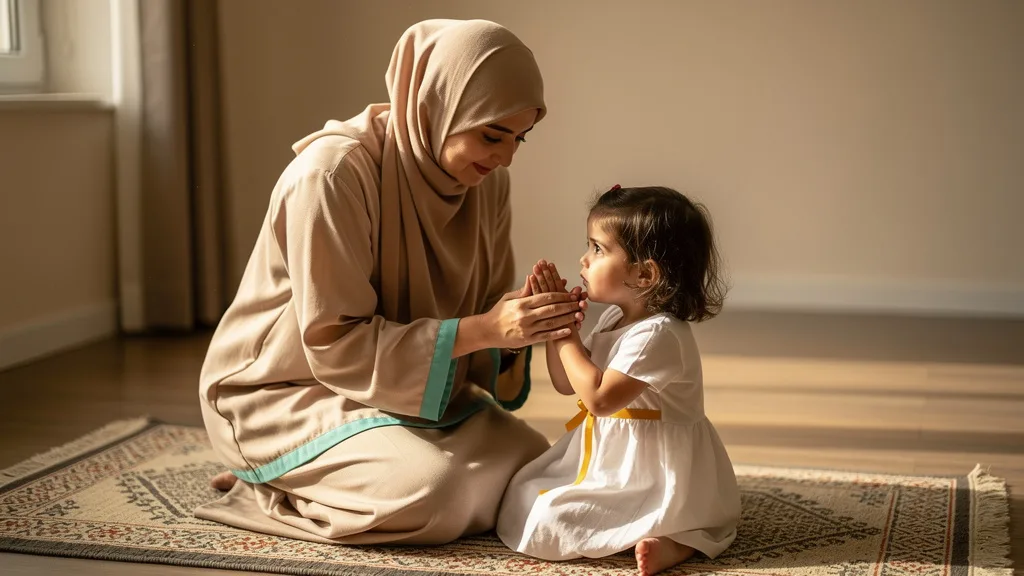
The primary purpose of Tahajjud is to draw closer to Allah, seek His forgiveness, and engage in personal supplication during the tranquil and blessed hours of the night. The last third of the night is especially virtuous, as it is a time when Allah descends to the lowest heaven, asking who is calling upon Him so He may respond. Performing Tahajjud regularly is known to bring immense peace, spiritual elevation, and countless blessings into one's life.
Can You Pray Salatul Hajat After Tahajjud?
Yes, it is entirely permissible and highly recommended to pray Salatul Hajat after performing the Tahajjud prayer. The time of Tahajjud, particularly the last third of the night, is one of the most accepted times for dua and worship. By performing Salatul Hajat during this period, you are presenting your need to Allah at a moment of immense spiritual significance and mercy.

The correct way to combine them is to treat them as two separate acts of worship with distinct intentions (niyyah). You would first complete your Tahajjud prayer as you normally would, in sets of two rak'ats. Afterward, you can then make a new intention specifically for Salatul Hajat and perform its two rak'ats. This ensures that each act of worship is performed with its proper focus and purpose, allowing you to first seek closeness to Allah through Tahajjud and then present your specific need through Salatul Hajat.
"Combining Tahajjud with Salatul Hajat in the depths of the night is like knocking on the door of mercy with two hands. One hand seeks closeness to Allah, and the other presents your specific need, trusting fully in His wisdom and generosity."
Salatul Hajat vs Tahajjud: Key Differences Explained
While both are voluntary prayers that can be offered at night, Salatul Hajat and Tahajjud are distinct in their purpose, timing, and structure. Understanding these differences is key to performing each prayer correctly and with the right intention. Many people wonder, can I pray Salatul Hajat after Tahajjud, and knowing these distinctions helps clarify why the answer is yes, as they serve different functions in a believer's life.
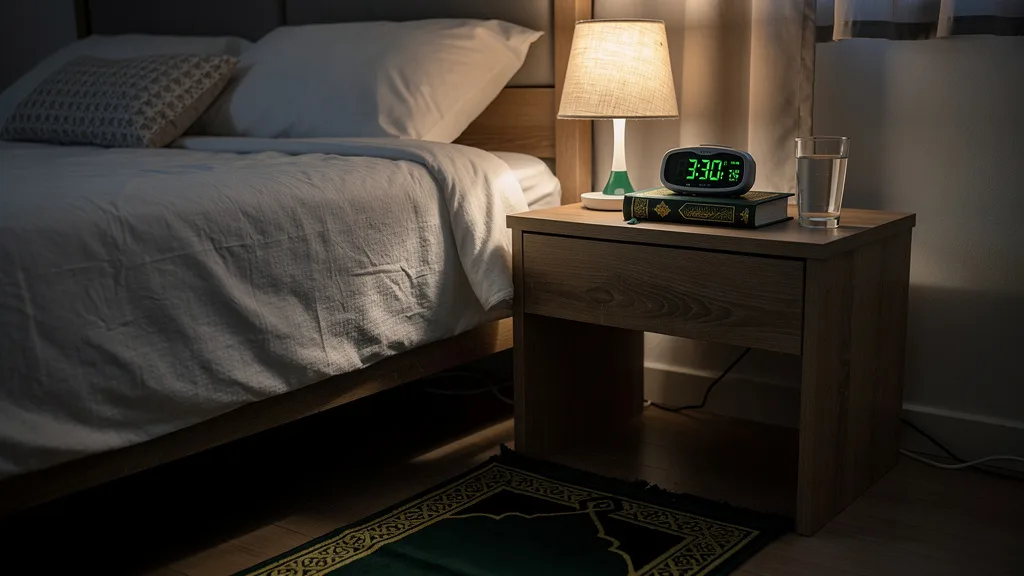
The following table breaks down the primary differences between these two powerful prayers to provide a clear comparison. This helps in understanding the unique role each prayer plays in a Muslim's spiritual toolkit.
| Feature | Salatul Hajat (Prayer of Need) | Tahajjud (Night Vigil Prayer) |
|---|---|---|
| Purpose/Intention | Performed for a specific need, desire, or to overcome a difficulty. | General worship to seek closeness to Allah, forgiveness, and spiritual elevation. |
| Recommended Timing | Any permissible time, day or night, except for the prohibited times. | Exclusively at night after Isha and before Fajr, ideally after sleeping. |
| Number of Rak'ats | Most commonly two rak'ats. | Minimum of two rak'ats, prayed in units of two, with no maximum limit. |
| Specific Dua | Has a specific supplication recommended to be recited after the prayer. | No single prescribed dua; one can make any personal supplication. |
Purpose and Intention
The primary distinction lies in the intention (niyyah). The intention for Salatul Hajat is highly specific: you are praying to Allah to ask for the fulfillment of a particular need. Whether it's for health, success in an exam, finding a spouse, or overcoming a financial hardship, the prayer is centered around that request. It is a purpose-driven act of worship.
In contrast, the intention for Tahajjud is more general and foundational. Its purpose is to engage in voluntary worship during the night to strengthen your relationship with Allah SWT, seek forgiveness for sins, and show gratitude. While you can certainly make dua for your needs during Tahajjud, the prayer itself is not defined by a single request but by the overall act of devotion.
Recommended Timing
The timing for these two prayers also differs significantly. Tahajjud is exclusively a night prayer. Its window begins after the Isha prayer and ends at the break of dawn for the Fajr prayer. Furthermore, it is Sunnah to perform it after having slept for some portion of the night, even if it's a short nap.
Salatul Hajat, however, offers much more flexibility. You can perform it at any time of the day or night, as long as you avoid the three specifically prohibited (makruh) times for prayer. This means you can offer it immediately when a need arises, without having to wait for a specific part of the night.
Number of Rak'ats
There is a difference in the common practice regarding the number of units (rak'ats) for each prayer. Salatul Hajat is most commonly performed as a simple two-rak'at prayer. While some scholarly opinions mention it can be more, the two-rak'at method is widely accepted and practiced.
Tahajjud, on the other hand, is prayed in sets of two rak'ats, and while the minimum is two, there is no upper limit. The Prophet Muhammad (peace and blessings be upon him) would often pray eight or more rak'ats, followed by the Witr prayer. This allows for a longer, more immersive period of worship throughout the night.
How to Perform Salatul Hajat Step by Step
Performing Salatul Hajat is a straightforward process. It is a simple yet powerful prayer that anyone can learn and implement when in need. Following these steps will help you perform it correctly and with the proper focus, ensuring your supplication is presented in the best manner.
Here is a guide to performing the prayer of need: seeking guidance and solutions.
- Perform Wudu: Begin by making a fresh and proper ablution (wudu), ensuring you are physically and spiritually clean.
- Make Niyyah (Intention): Form a clear intention in your heart to pray two rak'ats of Salatul Hajat for the specific need you have. You do not need to say it out loud.
- Pray Two Rak'ats: Pray two rak'ats of voluntary (nafl) prayer just as you would any other, reciting Surah Al-Fatiha and another Surah in each rak'ah.
- Praise Allah and Send Blessings: After concluding the prayer with the Taslim (saying "As-salamu alaykum wa rahmatullah" to the right and left), praise Allah SWT (e.g., say Alhamdulillah, SubhanAllah) and send blessings upon the Prophet Muhammad (PBUH) by reciting Durood Sharif.
- Recite the Dua of Hajat: It is recommended to recite the specific masnoon dua associated with this prayer.
- Make Your Personal Dua: With utmost humility and sincerity, raise your hands and present your specific need to Allah. Speak from your heart in any language you are comfortable with, and have full faith that He is listening and will respond in the way that is best for you. For a visual guide, you can learn How to Pray Salatul Hajat from trusted sources.
The Best and Prohibited Times for Salatul Hajat
While Salatul Hajat can be prayed at almost any time, choosing a blessed time can add to the spiritual weight of your supplication. Similarly, it is crucial to know and avoid the times when voluntary prayers are discouraged to ensure your worship is accepted. For a deeper dive into this prayer, you can explore our detailed guide on Salatul Hajat.
Combining with the Tahajjud Prayer
As established, the best time to perform Salatul Hajat is during the last third of the night, alongside your Tahajjud prayer. This period is filled with divine mercy and blessings. You can perform your Tahajjud units first, then stand for two separate rak'ats with the specific intention of Salatul Hajat. This powerful combination allows you to benefit from the virtues of both prayers simultaneously.
Praying During Other Permissible Times
If you have an urgent need during the day, you do not have to wait until the night. You can pray Salatul Hajat at any time that is not prohibited. This includes the morning after sunrise (Duha time), in the afternoon after Zuhr prayer, or in the evening after Maghrib prayer. The key is to turn to Allah as soon as the need arises, demonstrating your immediate reliance on Him. divine plan.
There are three specific times during the day when all voluntary (nafl) prayers, including Salatul Hajat, are prohibited. It is important to be mindful of these times to ensure your acts of worship are valid. These times are:
- Immediately after the Fard of Fajr prayer until the sun has fully risen (approximately 15-20 minutes after sunrise).
- When the sun is at its highest point in the sky (the zenith or istiwa), just before it begins to decline for the Zuhr prayer.
- Immediately after the Fard of Asr prayer until the sun has completely set.
Key Takeaways
Navigating the beautiful practices of voluntary prayers can deepen your connection with Allah. Understanding the nuances between Salatul Hajat and Tahajjud is key to utilizing these spiritual tools effectively. Here are the most important points to remember from this guide:
- Permissible to Combine: You can and are encouraged to pray Salatul Hajat after Tahajjud, especially during the blessed last third of the night.
- Distinct Intentions: Salatul Hajat is for a specific need, while Tahajjud is for general worship and seeking closeness to Allah. Always make a separate and clear niyyah for each.
- Different Timings: Tahajjud is an exclusive night prayer, whereas Salatul Hajat can be performed at any time outside of the three prohibited periods.
- Follow the Steps: Perform Salatul Hajat as two rak'ats, followed by praises, blessings on the Prophet (PBUH), and the specific dua for Hajat before making your personal supplication.
- Avoid Prohibited Times: Be mindful not to perform any nafl prayer after Fajr until sunrise, at solar noon, and after Asr until sunset.
Frequently Asked Questions
Is Salatul Hajat the same as Tahajjud?
No, they are not the same. Salatul Hajat is the "Prayer of Need," performed specifically to ask Allah for help with a particular issue. Tahajjud is the voluntary "Night Vigil Prayer," performed for general worship and to get closer to Allah. While they can both be prayed at night, their intentions and purposes are different.
Can I perform Salatul Hajat after the Fajr prayer?
No, you cannot perform Salatul Hajat or any other voluntary prayer immediately after praying the fard of Fajr. This is one of the prohibited times for nafl prayers. You must wait until the sun has fully risen, which is typically about 15 to 20 minutes after the sunrise time in your location.
What dua is recited after Salatul Hajat?
After completing the two rak'ats, it is recommended to recite the dua narrated in the hadith. A common version of this dua begins: "La ilaha illallahul Halimul Karim, Subhanallahi Rabbil Arshil Azim..." It is best to learn the full dua with its meaning to supplicate effectively. Understanding the words you recite can be greatly helped when you learn Quranic Arabic online.
How many times can you pray Salatul Hajat for one need?
There is no limit to how many times you can pray Salatul Hajat for a single need. You can continue to perform it as long as you feel the need to ask Allah for His help. Persistence in dua is a praiseworthy act and shows your complete reliance on and trust in Allah's timing and wisdom. You can pray it daily or whenever your heart feels inclined to do so.
Which is more powerful, Tahajjud or Salatul Hajat?
Both prayers are powerful in their own right. Tahajjud is one of the most virtuous of all voluntary prayers and a sign of a believer's sincere devotion. Salatul Hajat is a targeted spiritual tool for seeking divine intervention for a specific problem. The true power lies not in the prayer itself, but in the sincerity, humility, and conviction of the person praying. Combining the two by performing Salatul Hajat during the time of Tahajjud is an exceptionally powerful practice.
Conclusion
In summary, praying Salatul Hajat after Tahajjud is not only permissible but is a spiritually potent practice that combines the virtues of a blessed time with a focused supplication. By understanding the distinct purpose of each prayer and performing them with sincere intention, you open a profound channel of communication with Allah SWT. The key is to approach your worship with knowledge and humility, trusting that He hears every prayer and responds in the manner that is best for you.
If you are looking to deepen your understanding of the Quran and the beautiful details of your prayers, our qualified female teachers provide private, one-on-one lessons to help sisters and children connect with their faith. Start your journey today with a complimentary 30-minute session to see how we can help you grow spiritually.
If you want help turning this into a concrete plan for your site or team, take the next step below to apply Can I Pray Salatul Hajat After Tahajjud: Arabic Guidance with confidence.
Ready to act on Can I Pray Salatul Hajat After Tahajjud: Arabic Guidance? Book Free Trial — tell us your goal, and we will help you pick the highest-leverage next step so you are not guessing alone.