

Do you have a pressing need, a heartfelt desire, or a worry that weighs heavily on your mind? In Islam, when we face challenges or seek guidance for important matters, we are gifted with a special tool to communicate directly with our Creator: Salatul Hajat, the prayer of need. This powerful prayer is a beautiful way to present your requests to Allah (SWT) with humility and hope.
Learning to perform Salatul Hajat correctly and understanding the spiritual duas that accompany it can transform your connection with Allah. A qualified female Quran teacher provides invaluable, private guidance for sisters, ensuring you perform the prayer with confidence and sincerity. This guide will walk you through the steps of Salatul Hajat and explain how personalized instruction can elevate this deeply personal act of worship in 2026.
Understanding Salatul Hajat: The Prayer of Need
Salatul Hajat is a voluntary (nafl) prayer that Muslims can perform whenever they have a specific need, difficulty, or desire for which they seek Allah's help. It is not an obligatory prayer but a recommended practice rooted in the teachings of the Prophet Muhammad (peace be upon him). The essence of this prayer is to turn to Allah (SWT) in a state of complete vulnerability, acknowledging His ultimate power and mercy to fulfill all needs.

This extraordinary prayer serves as a direct line of communication, allowing you to pour out your heart and ask for anything, whether it's related to worldly matters like finding a job, success in exams, or resolving a family issue, or for spiritual matters like seeking forgiveness or guidance. It reinforces the concept of Tawakkul, or complete trust in Allah's plan, reminding us that He is the ultimate provider and the one who eases all hardships. Performing it is an act of faith and submission, demonstrating that we rely solely on Him.
How to Perform Salatul Hajat: A Step-by-Step Guide for Women
Performing the Hajat prayer is a straightforward process. For sisters seeking to ensure they follow the correct steps with confidence, this guide provides a clear path. Having a teacher can further clarify any nuances, but the fundamental actions are accessible to everyone. Here is how you can perform this simple yet powerful prayer.
Step 1: Making Your Sincere Intention (Niyyah)
Before you begin any act of worship, the first and most crucial step is to make a sincere intention (niyyah) in your heart. Your intention should be purely for the sake of Allah (SWT), specifying that you are about to perform two rak'ahs of Salatul Hajat to ask for His help with your specific need. This intention does not need to be spoken aloud; it is a silent conversation between you and your Creator.
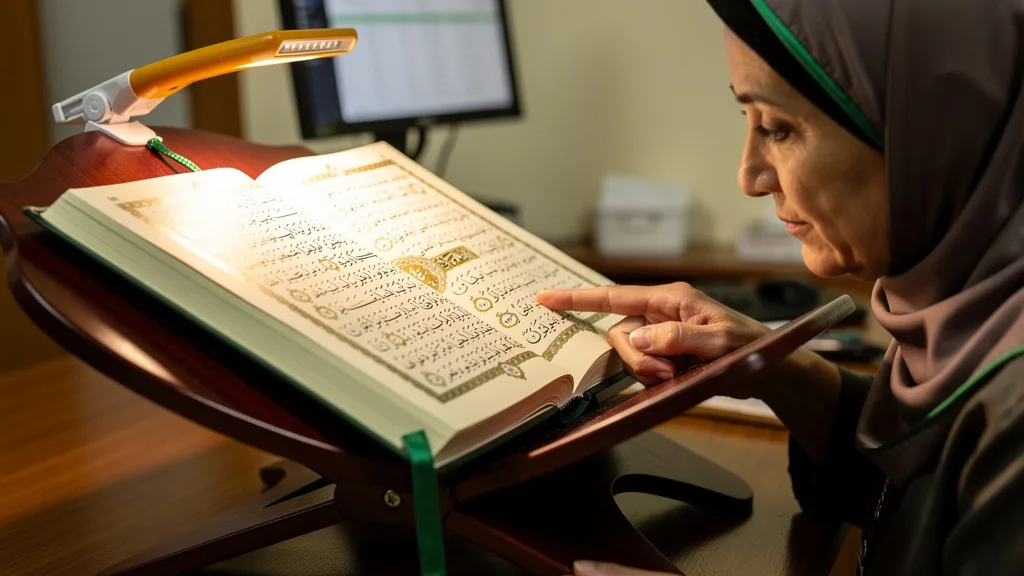
The sincerity of your niyyah is paramount. It purifies the act from being a mere ritual and transforms it into a profound spiritual experience. Remind yourself that you are turning to Allah alone, acknowledging His greatness and your dependence on His mercy. This sets the tone for the entire prayer, focusing your mind and heart on the purpose of your worship.
Step 2: Performing Wudu (Ablution) Correctly
Physical purity is a prerequisite for prayer in Islam. Before you stand for Salatul Hajat, you must perform Wudu (ablution) thoroughly and mindfully. The act of washing your hands, face, arms, and feet is not just about physical cleanliness; it is also a symbolic purification of your sins and a way to prepare your soul to stand before Allah (SWT).
Perform each step of the Wudu with care and deliberation, following the Sunnah of the Prophet Muhammad (peace be upon him). As the water cleanses your body, make a mental note to cleanse your heart of any distractions or negative thoughts. A properly performed Wudu enhances your focus and humility, making your prayer more meaningful and likely to be accepted.
Step 3: Praying the Two Rak'ahs of Nafl Salah
After making your intention and performing Wudu, you will pray two rak'ahs (units) of voluntary prayer, just as you would any other nafl salah. You begin with the Takbir (Allahu Akbar) and recite Surah Al-Fatihah in the first rak'ah, followed by another Surah or a few verses from the Quran. A common recommendation is to recite Ayatul Kursi (Al-Baqarah, 2:255) after Al-Fatihah.
In the second rak'ah, you will again recite Surah Al-Fatihah, followed by another Surah, such as Surah Al-Ikhlas. After completing the second rak'ah, you will sit for the Tashahhud, send Salawat upon the Prophet (peace be upon him), and conclude the prayer with the Taslim (saying "Assalamu Alaikum wa Rahmatullah" to your right and left). The structure is simple, allowing you to focus on your connection with Allah rather than complex mechanics.
Step 4: Praising Allah (SWT) and Sending Salawat
Once you have completed the two rak'ahs of prayer, remain seated on your prayer mat. This is the moment to turn your full attention to glorifying Allah (SWT). Begin by praising Him, using His beautiful names and attributes. You can say "SubhanAllah" (Glory be to Allah), "Alhamdulillah" (All praise is for Allah), and "Allahu Akbar" (Allah is the Greatest).
After praising Allah, it is highly recommended to send blessings (Salawat) upon the Prophet Muhammad (peace be upon him). Reciting Durood Ibrahim, the same one recited in the Tashahhud, is an excellent way to do this. This act of praising Allah and sending blessings on His Messenger is a beloved form of worship that elevates your dua and increases its chances of being accepted.
Step 5: Reciting the Specific Dua for Hajat
Following the praise and Salawat, you will recite the specific dua (supplication) for Salatul Hajat. This dua is narrated in hadith and is the core of your request. Raise your hands in supplication and recite the dua with humility, focus, and a heart full of hope in Allah's mercy.
After reciting the specific masnoon dua, you can then make your personal supplication in your own language. Pour out your heart to Allah, explaining your need, your worries, and your hopes. Be specific and sincere. This combination of the prophetic dua and your personal plea makes the experience deeply personal and powerful.
The Most Powerful Spiritual Duas for Salatul Hajat
While the act of praying Salatul Hajat is itself a powerful tool, the supplications you make are what carry your needs to Allah (SWT). There are specific duas from the Sunnah that are recommended, alongside the opportunity for your own heartfelt plea.
The Primary Dua to Recite After the Prayer
The most widely cited dua for Salatul Hajat comes from a hadith narrated by Tirmidhi. After praising Allah and sending Salawat, you should recite the following:
"La ilaha illallahul Halimul Kareem. Subhanallahi Rabbil Arshil Azeem. Alhamdulillahi Rabbil 'Alameen. As'aluka mujibati rahmatika, wa 'aza'ima maghfiratika, wal ghanimata min kulli birrin, was salamata min kulli ithmin, la tada' li dhanban illa ghafartahu, wa la hamman illa farrajtahu, wa la hajatan hiya laka ridan illa qadaytaha, ya arhamar Rahimeen.

The translation is: "There is no god but Allah, the Clement and Generous. Glory be to Allah, Lord of the Great Throne. Praise be to Allah, Lord of the Worlds. I ask You for the means of Your mercy and the determination for Your forgiveness, the benefit from every righteousness, and the safety from every sin. Do not leave a sin of mine but that You forgive it, nor a concern but that You relieve it, nor a need that is pleasing to You but that You fulfill it, O Most Merciful of those who show mercy."
Recommended Surahs and Verses for Your Hajat
While there are no mandatory Surahs to recite in Salatul Hajat other than Al-Fatihah, scholars have recommended certain verses and chapters that carry immense blessings and are fitting for the occasion. Including these can enhance the spiritual weight of your prayer. Here are some recommendations:
- Ayatul Kursi (Quran 2:255): To be recited in the first rak'ah after Al-Fatihah. It is known as the greatest verse of the Quran and speaks to Allah's absolute power and sovereignty.
- Surah Al-Ikhlas (Quran 112): Often recited in the second rak'ah, this Surah is a powerful declaration of Allah's oneness and is equivalent to one-third of the Quran in reward.
- Surah Yasin (Quran 36): Known as the heart of the Quran, many find comfort and blessings in reciting it when facing difficulties or seeking fulfillment of a need.
- Surah Al-Waqi'ah (Quran 56): Often recited for seeking sustenance and relief from financial hardship.
Making Your Personal Supplication with Sincerity
After reciting the formal dua, the most personal part of the process begins. This is your chance to speak to Allah (SWT) from the heart, in any language you are comfortable with. Do not be shy or feel that your need is too small or too large. Allah is Al-Mujeeb (The Responder to Prayers), and He loves to be asked. You can find inspiration and guidance from various sources, including Dua For Hajat Videos, which often share powerful personal stories.
Express your vulnerability, your hopes, and your fears. Be specific about what you are asking for and why. Conclude your personal dua by once again praising Allah and sending blessings on the Prophet Muhammad (peace be upon him). This sincere, heartfelt conversation is a beautiful act of worship that strengthens your bond with your Creator.
How a Female Quran Teacher Elevates Your Spiritual Practice
While you can learn Salatul Hajat on your own, a guide can make the journey smoother and more profound. For many sisters, a female Quran teacher provides a supportive and knowledgeable resource to perfect their worship in a comfortable environment. This guidance is especially valuable for beginners or those looking to deepen their spiritual practices.
Ensuring Correct Pronunciation and Recitation
The beauty and power of the Quran and prophetic duas lie in their precise wording and pronunciation (Tajweed). Mispronouncing Arabic words can sometimes alter their meaning. A qualified teacher will listen to your recitation of the Surahs and the Hajat dua, gently correcting any errors and ensuring you are reciting them as they were intended.

This attention to detail is not about pedantic perfection but about honoring the words of Allah and His Messenger. Perfecting your recitation with a female Tajweed teacher online can increase your confidence and the spiritual impact of your prayer, knowing you are giving the act of worship its due right.
Receiving Personalized Guidance and Encouragement
Every learner's journey is unique. You may have specific questions or face personal challenges that a generic guide cannot address. A private teacher offers personalized feedback and creates a lesson plan tailored to your pace and needs. This one-on-one attention is invaluable, especially when learning something as personal as a new form of prayer.
Furthermore, a good teacher is a source of motivation and encouragement. When you feel unsure or your motivation wanes, she can remind you of the immense reward and beauty of connecting with Allah through prayer. This supportive relationship can be a key factor in building consistent and meaningful spiritual habits. Finding the right female Quran teacher online can make all the difference.
Deepening Your Understanding of the Duas
Reciting duas is powerful, but understanding their meaning takes the experience to another level. A knowledgeable teacher can explain the tafsir (exegesis) behind the verses you recite and the profound meanings embedded in the Hajat dua. When you comprehend what you are asking for, your supplication becomes more heartfelt and sincere.
This deeper understanding transforms the prayer from a set of memorized words into a rich, meaningful conversation with Allah (SWT). You will appreciate the eloquence of the prophetic dua and feel a stronger connection to the words you are uttering, which enhances the humility and focus of your worship.
Creating a Comfortable and Private Learning Space
For many sisters, privacy and comfort are essential for effective learning, particularly in matters of faith. Learning with a female teacher provides a safe and modest environment where you can ask questions freely without feeling shy or intimidated. This is especially important for adult Quran classes for women beginners who may be starting their journey.
This comfortable setting allows for open discussion about personal spiritual goals and challenges. Whether you are learning via Zoom or WhatsApp, the private, one-on-one format ensures that your educational journey is tailored to you, fostering a strong and trusting student-teacher relationship that supports your growth.
Important Considerations for Your Hajat Prayer
To ensure your prayer is performed correctly and accepted, it's important to be aware of the recommended times and conditions. Understanding these details will help you incorporate Salatul Hajat into your life effectively. For more details, you can explore resources on How to Perform Salat ul Hajat.
The Best Times to Offer the Prayer of Need
While Salatul Hajat can be prayed at any time, there are certain periods when duas are more likely to be accepted. These blessed times are ideal for performing this special prayer. The most recommended time is during the last third of the night (Tahajjud time), as Allah (SWT) descends to the lowest heaven and asks, "Who is calling upon Me that I may answer him?"
Other excellent times include between the Adhan (call to prayer) and the Iqamah, during prostration (sujood) in any prayer, after the obligatory prayers, and on the day of Jumu'ah (Friday). Praying during these moments can add weight to your supplication, but remember that Allah's doors are always open, and you can turn to Him whenever you are in need.
When You Should Avoid Praying Salatul Hajat
Just as there are recommended times, there are also times when voluntary (nafl) prayers are disliked or forbidden. It is important to avoid offering Salatul Hajat during these specific periods to ensure your worship aligns with the Sunnah. These times are primarily to prevent any resemblance to the practices of sun-worshippers.
The forbidden times for nafl prayers are:
- After the Fajr prayer until the sun has fully risen (approximately 15-20 minutes after sunrise).
- When the sun is at its zenith (midday), for a very brief period before it begins to decline for Zhuhr prayer.
- After the Asr prayer until the sun has completely set.
Being mindful of these timings demonstrates a commitment to following the guidance of the Prophet Muhammad (peace be upon him) in all aspects of worship.
Maintaining Patience and Trust in Allah's Plan
After you have performed Salatul Hajat and made your dua, the final step is to place your complete trust in Allah (SWT). This is the essence of Tawakkul. Understand that Allah is Al-Hakim (The Most Wise) and He knows what is best for you, even if you do not. The answer to your prayer may come in one of three forms: Allah may grant you exactly what you asked for, He may avert a calamity from you that is equal in measure, or He may save the reward for your dua for the Hereafter.
Patience (Sabr) is a virtue that must accompany your dua. Do not become disheartened or impatient if you do not see an immediate result. Continue to trust in Allah's timing and wisdom, and know that every sincere supplication is heard and valued. Your act of turning to Him is in itself a reward and a means of drawing closer to Him.
| Feature | Salatul Hajat (Prayer of Need) | Salatul Istikhara (Prayer for Guidance) |
|---|---|---|
| Purpose | To ask Allah for the fulfillment of a specific need, want, or to remove a difficulty. | To ask Allah for guidance in making a decision between two or more permissible options. |
| Core Action | You pray and then make a specific dua asking Allah to grant your need. | You pray and then ask Allah to guide you to the best choice and make it easy if it's good for you. |
| Outcome Sought | A direct outcome or fulfillment of a request (e.g., getting a job, healing from illness). | Clarity and ease towards the better option, or obstacles placed in the path of the worse option. |
| When to Pray | When you have a clear need or are facing a problem. | When you are undecided about a major life choice (e.g., marriage, career change, travel). |
Key Takeaways
To help you remember the most important aspects of performing Salatul Hajat and the value of guided learning, here are the key takeaways from this guide:
- Salatul Hajat is a powerful tool: It is a two-rak'ah voluntary prayer for asking Allah (SWT) to fulfill a specific need or remove a hardship.
- Follow the five key steps: Ensure you make a sincere intention (niyyah), perform wudu, pray two rak'ahs, praise Allah and send Salawat, and then recite the specific Hajat dua followed by your personal plea.
- Know the recommended duas and times: Use the prophetic dua for Hajat and consider praying during blessed times like the last third of the night for increased acceptance.
- A female teacher enhances the experience: For sisters, a qualified teacher ensures correct pronunciation, provides personalized guidance, deepens understanding, and creates a comfortable learning environment.
- Trust in Allah's plan: After making your dua, practice patience (Sabr) and trust (Tawakkul), knowing that Allah will respond in the way that is best for you.
Frequently Asked Questions
How many times can I pray Salatul Hajat for the same need?
You can pray Salatul Hajat as many times as you wish for the same need. There is no limit. In fact, persistence in dua is a beloved act in the sight of Allah (SWT). Repeatedly turning to Him shows your sincerity and your complete reliance on His help.
Can I pray Salatul Hajat for worldly matters like a job or marriage?
Continuing to pray for your need demonstrates your faith and patience. You can perform the prayer daily or whenever you feel the urge to connect with Allah about your specific concern until your need is met or your heart finds peace with His decree.
What is the difference between Salatul Hajat and Salatul Istikhara?
Absolutely. Salatul Hajat is intended for any and all needs, whether they are spiritual or worldly, as long as they are permissible (halal). Asking Allah for help in finding a suitable spouse, securing a good job, passing an exam, or healing from an illness are all valid reasons to perform this prayer.
Do I have to recite the specific dua for Hajat in Arabic?
Islam does not create a divide between our worldly and spiritual lives. We are encouraged to seek Allah's assistance in all our affairs. Turning to Him for these matters reinforces our understanding that He is the ultimate source of all provisions and success.
Salatul Hajat is the prayer of need, where you ask Allah to grant you something specific that you desire. You have a clear goal in mind. For example, you pray Salatul Hajat to ask Allah to help you get a particular job you have applied for.
Salatul Istikhara, on the other hand, is the prayer for guidance. You perform it when you are undecided between two or more permissible options and you ask Allah to guide you to the choice that is best for you. For instance, if you have two job offers, you would pray Istikhara to ask Allah to lead you to the better path.
It is highly recommended and best to recite the specific dua for Hajat in Arabic, as these are the words transmitted from the Prophet Muhammad (peace be upon him). The Arabic language has a unique spiritual depth and blessing. Learning the transliteration and trying your best to pronounce it correctly is a worthy effort.
However, if you are unable to recite it in Arabic or have not yet memorized it, you can read it from a paper or your phone. After reciting the Arabic dua, it is essential to make your personal supplication in your own language so you can express your needs with a present heart and full understanding. A teacher can greatly help you master the Arabic recitation with confidence.
Conclusion
Performing Salatul Hajat is a profound act of faith that empowers you to turn directly to Allah (SWT) with your deepest needs and worries. It is a reminder that no problem is too big for His mercy and no request is too small for His attention. By following the simple, structured steps of this prayer, you open a door to immense peace and spiritual solace, strengthening your reliance on the only One who can truly change your situation.
The journey of perfecting your prayer and deepening your understanding of its spiritual duas can be immensely rewarding. For sisters, having a guide who understands your unique perspective is invaluable. A female Quran teacher provides not just knowledge of recitation and rituals, but also the encouragement, privacy, and personalized support needed to build a confident and lasting connection with your faith. She can help transform a ritual into a truly transformative conversation with Allah.
If you are ready to deepen your spiritual practice and learn the nuances of prayers like Salatul Hajat with confidence and clarity, personalized guidance is the next step. At Hidayah Quran Academy, our qualified female teachers are here to support you on your journey. We invite you to experience this supportive learning environment for yourself. Book Free Trial today and take the first step towards a more profound connection with the Quran and your prayers.