

Are you searching for the right online Quran teacher for yourself or your child but feel hesitant to commit without knowing what you're signing up for? You're not alone. A free trial is a no-commitment diagnostic session designed to assess teacher compatibility, test the online platform, and confirm the curriculum fits your learning goals. In contrast, paid classes represent a structured, long-term commitment to consistent learning and progress. Understanding the distinction between a Trial Quran vs. Paid Classes: Why a Free 30 Minute Session Matters is the first step toward a confident and successful learning journey.
Trial vs. Paid Quran Classes: Core Differences Explained
Choosing between a trial and a paid Quran class can feel confusing, but their purposes are fundamentally different. A free trial is an introductory session, a two-way interview where both you and the teacher can assess suitability. It's a snapshot designed to give you a taste of the teaching style and technical setup. Think of it as a test drive before you make a decision.
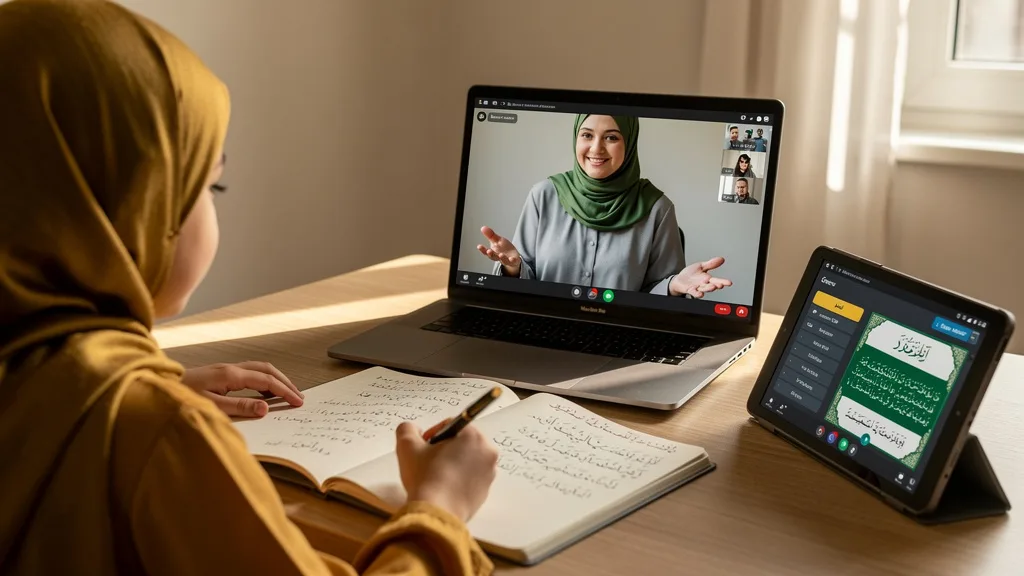
Paid classes, on the other hand, are the start of a structured educational path. Once you enroll, you begin a curriculum-based program with consistent weekly sessions, clear objectives, and regular progress tracking. This is where the real learning and development happen, building upon a foundation of trust and compatibility established during the trial.
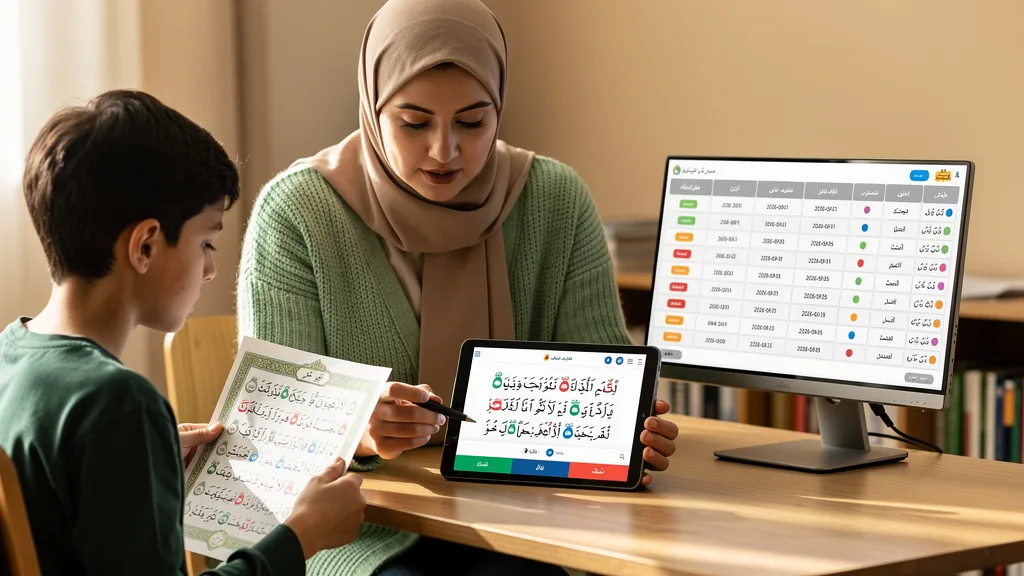
| Feature | Free Trial Class | Paid Quran Class |
|---|---|---|
| Goal | Assessment, compatibility check, and platform test | Structured learning, skill development, and curriculum progression |
| Duration | One-time session, typically 30 minutes | Ongoing, regular sessions (e.g., 2-5 times per week) |
| Content | Introduction, level assessment, and a sample lesson | Systematic lessons following a set curriculum (e.g., Qaida, Tajweed, Hifz) |
| Cost | Free | Monthly subscription or package fee |
| Commitment | None, it's a no-obligation offer | Financial and time commitment based on agreed schedule |
Primary Goal and Objective
The primary goal of a free trial is evaluation. It is your opportunity to gauge the teacher's expertise, communication style, and ability to connect with the student, whether it's you or your child. For the teacher, the objective is to perform a level check to understand your current knowledge and identify the most suitable starting point for your lessons. It's a diagnostic tool, not a complete lesson.
Conversely, the objective of a paid online Quran class is education and progression. Each session builds upon the last, following a clear plan to help you achieve your specific goals, whether that's learning to read the Noorani Qaida, mastering Tajweed rules, or embarking on your Hifz journey. The focus shifts from assessment to active, guided learning.
Duration and Structure
A trial class is intentionally brief, usually lasting around 30 minutes. This short duration is sufficient to cover introductions, conduct a quick recitation assessment, provide a mini-lesson, and answer your questions. The structure is flexible and centered around giving you a comprehensive overview in a short amount of time.
Paid classes are structured for consistency and long-term retention. They are scheduled at regular times each week, creating a routine that fosters discipline and steady progress. Each class follows the curriculum, dedicating time to reviewing past lessons, introducing new concepts, and practicing recitation, ensuring a deep and thorough understanding of the material.
Cost and Commitment Level
Perhaps the most significant difference is the cost and commitment. A free quran trial is completely free of charge, with no hidden fees or obligations. You are not required to provide any payment information to participate. This removes any financial risk, allowing you to explore your options with complete peace of mind and find the perfect teacher match.
Enrolling in paid classes signifies a mutual commitment. You commit to attending sessions regularly and investing in your education, while the academy and your teacher commit to providing high-quality, consistent instruction to guide you toward your goals. This commitment is what transforms a casual interest into tangible, lasting knowledge of the Holy Quran.
What Actually Happens in a Free Trial Class: A Minute-by-Minute Guide
The idea of a trial class can cause some nerves, especially if you're new to online learning. Knowing what to expect can make the experience smooth and productive. This minute-by-minute walkthrough breaks down a typical 30-minute session so you can feel prepared and confident. Female Tajweed Teacher Online.
Minutes 0-5: Tech Check and Initial Introductions
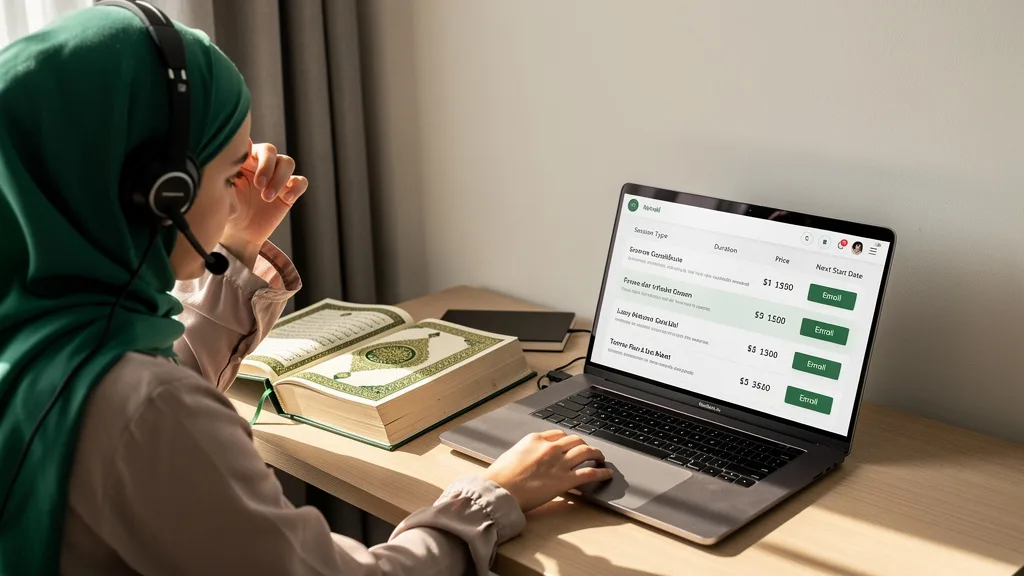
The first five minutes are dedicated to getting settled. Your teacher will greet you warmly and ensure your audio and video are working correctly on the chosen platform, whether it's Zoom, WhatsApp, or Google Meet. This tech check is crucial for a smooth lesson.
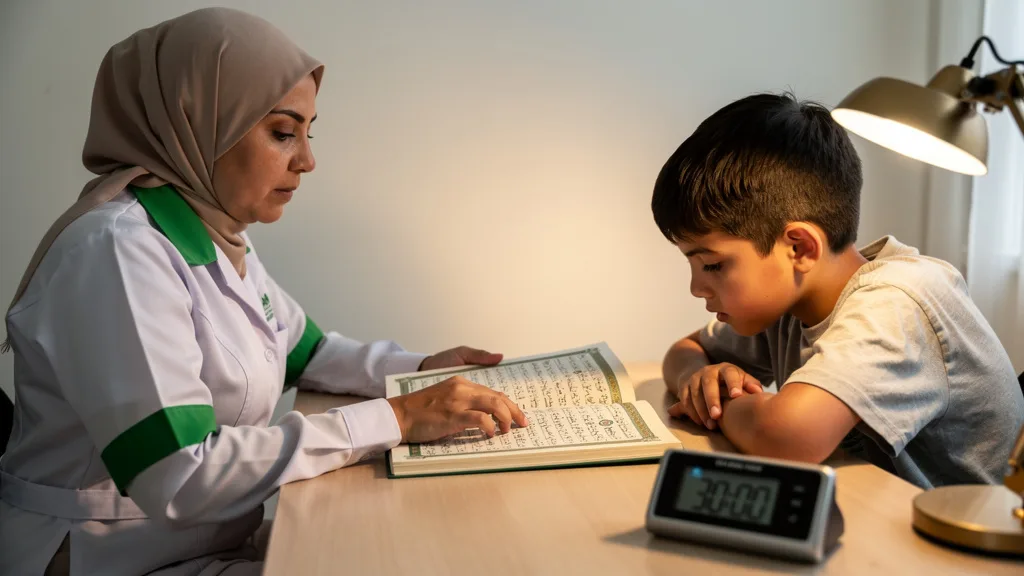
Following the tech check, the teacher will introduce herself and invite you or your child to do the same. This is a friendly, low-pressure conversation to build rapport and create a comfortable learning atmosphere. It's a chance to connect on a human level before diving into the lesson.
Minutes 5-15: Recitation and Level Assessment
This is the diagnostic part of the trial. The teacher will kindly ask the student to recite a small portion of the Quran they already know. For absolute beginners, this may not apply, but for others, it could be Surah Al-Fatiha or any other verses they are familiar with. This is not a test, but a simple `level check`.
The purpose of this recitation is for the teacher to gently assess your current level of pronunciation (makharij), flow, and knowledge of Tajweed rules. This allows her to understand your strengths and areas for improvement, which helps in recommending the right starting point if you decide to enroll.
Minutes 15-25: A Sample Lesson and Teacher Interaction
Based on the assessment, the teacher will conduct a short, targeted sample lesson. For example, if she noticed a common mistake in pronunciation, she might spend these ten minutes explaining the correct articulation of a specific letter. If you are a beginner, she might introduce you to the first letters of the Arabic alphabet from the Noorani Qaida.
This part of the quran trial class is your window into the teacher's methodology. Observe her patience, clarity of explanation, and how she gives feedback. This interaction is crucial for determining if her teaching style is a good `teacher match` for the student's learning needs and personality.
Minutes 25-30: Feedback, Questions, and Next Steps
The final few minutes are for wrapping up. The teacher will provide positive and constructive feedback based on the session and summarize what was covered. This is your dedicated time to ask any questions you have prepared about the curriculum, scheduling, or teaching philosophy.
Finally, the teacher will explain the next steps for enrollment if you feel it's a good fit. There is never any pressure to decide immediately. The goal is to leave you with all the information you need to make a confident and informed choice for your Quranic education. Quran Classes for Housewives.
What 'Safe' Means for Your Online Quran Class Platform
When you invite a teacher into your home virtually, safety is the highest priority. A reputable online quran class platform understands this and implements strict measures to create a secure and trustworthy environment for all students, especially sisters and children. Here's what `platform safety` should mean for you.
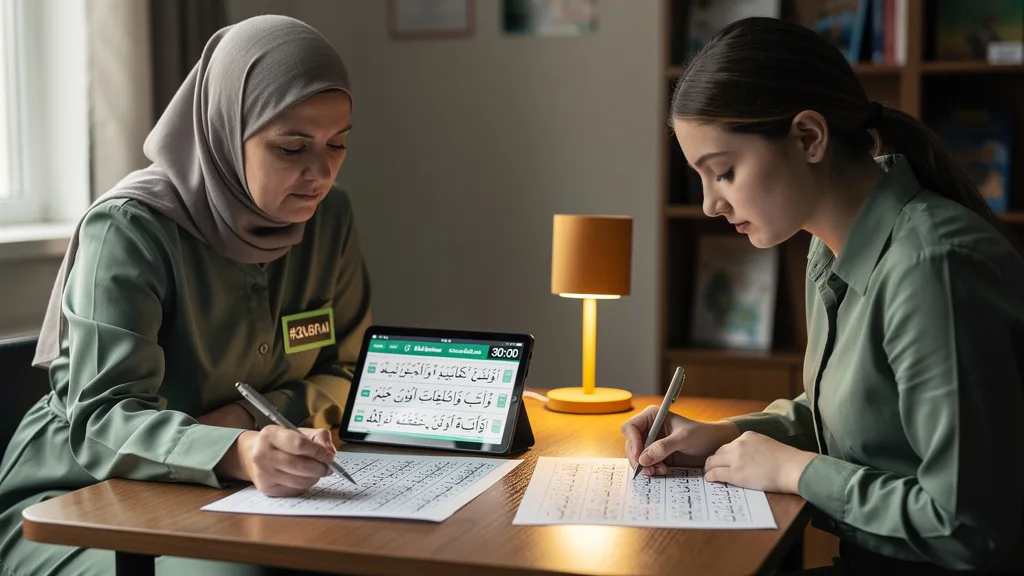
"Creating a safe, private, and respectful space for learning the Quran is our foremost responsibility. From vetting our female teachers to using secure technology, every step is taken to ensure families feel completely at ease, allowing students to focus solely on their beautiful journey with the Quran."
Secure Class Links and Privacy
Your online classroom should be a private space. This means the academy should use unique, password-protected meeting links for each student, not public, easily accessible links. Platforms like Zoom and Google Meet offer robust privacy controls, and your classes should be conducted one-on-one to ensure confidentiality and focused attention.
Furthermore, the academy must have a clear privacy policy regarding your personal information. Your contact details and any other data should be protected and used solely for communication related to your classes. This commitment to data privacy is a cornerstone of a safe online learning environment.
Teacher Vetting and Background Checks
The most critical safety feature is the teacher herself. A trustworthy academy will have a rigorous vetting process for all its educators. This includes verifying their qualifications, assessing their teaching experience, and conducting thorough background checks to ensure they are suitable for teaching children and female students.
Knowing that your teacher has been carefully selected and vetted provides immense peace of mind. It ensures that the person you are interacting with is not only a knowledgeable Hafiza or Alima but also a professional who upholds the highest standards of character and integrity.
Parental Monitoring and Class Recording Policies
Transparency is key to building trust. Parents should always feel welcome to supervise their child's online classes. A secure platform facilitates this by making it easy for a parent to be present in the room or join the virtual call discreetly if they wish.
Additionally, many academies offer the option to record classes upon request. This serves two purposes: it allows the student to review the lesson later for practice, and it provides a complete record of the class for parents to review. This policy of openness and accountability is a hallmark of a safe and professional online Quran school.
The Trial Is a Diagnostic, Not Just a Demo
Many people view a free trial as just a product demonstration, but its true value lies in its diagnostic power. The 30-minute session is a carefully designed tool to gather crucial information, ensuring that a long-term partnership will be successful and fruitful. It goes far beyond a simple preview.
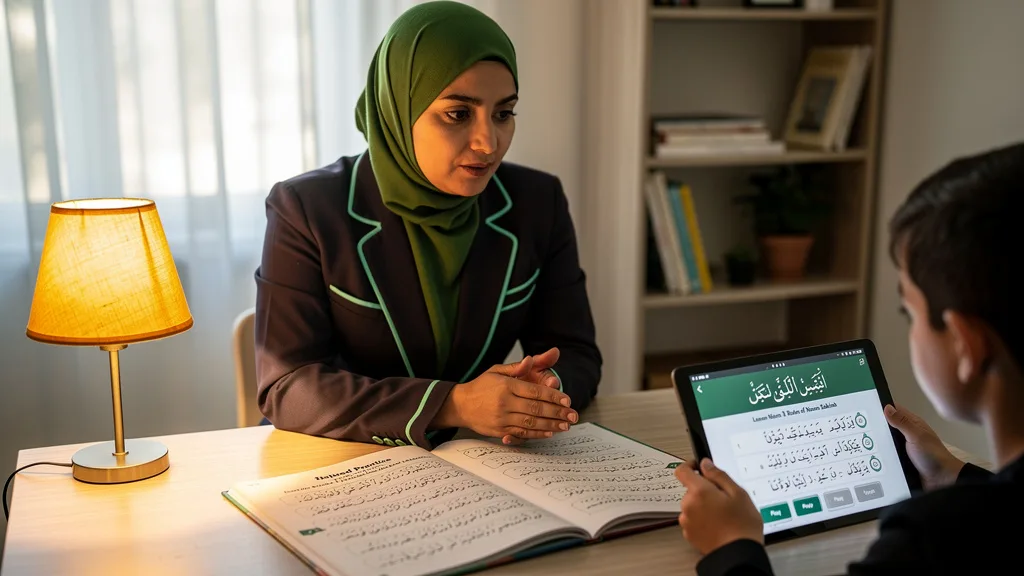
This diagnostic approach empowers you to make a decision based on direct experience rather than just promises on a website. It's about confirming that the teaching style, technology, and curriculum align perfectly with your unique learning needs and goals before you make any commitment.
Assessing the Teacher's Style and Compatibility
The most important factor in learning is the connection between student and teacher. During the trial, you can assess this firsthand. Is the teacher patient and encouraging? Does she explain concepts clearly and in a way that resonates with the student? For private lessons with female teachers, this personal connection is especially vital.
This is your chance to see if the teacher's personality is a good fit. A shy child may need a particularly gentle and nurturing teacher, while an adult beginner might prefer a more structured and direct approach. The trial allows you to find a teacher whose style will inspire and motivate the student to learn.
Testing the Platform's Usability and Features
Technical issues can be a major barrier to effective online learning. The trial class serves as a real-world test of the technology. You can check the audio and video quality and ensure your internet connection is stable enough for a clear, uninterrupted session.
You also get to experience the user-friendliness of the chosen platform, like Zoom or WhatsApp. Is it easy to join the class? Can you see the shared materials clearly? Resolving any technical questions during the free trial ensures that once paid classes begin, the focus can remain entirely on learning.
Confirming the Curriculum Matches Your Goals
Every student has a different goal. Some want to start from scratch with the Noorani Qaida, others wish to perfect their Tajweed, and some have the noble ambition of memorizing the Quran. The trial is the time to confirm that the academy's curriculum can cater to your specific aspirations.
Discuss your goals with the teacher during the trial. She can then explain the specific plan and materials she would use to help you achieve them. For instance, if your goal is memorization, you can ask about their approach to online Hifz classes for sisters and ensure it aligns with your expectations.
How to Prepare for Your First Free Trial Session
To maximize the benefit of your 30-minute trial, a little preparation goes a long way. Taking a few simple steps beforehand will help ensure the session runs smoothly and that you get all the information you need to make a confident decision. This allows you to focus on the teacher and the lesson, not on last-minute troubleshooting.
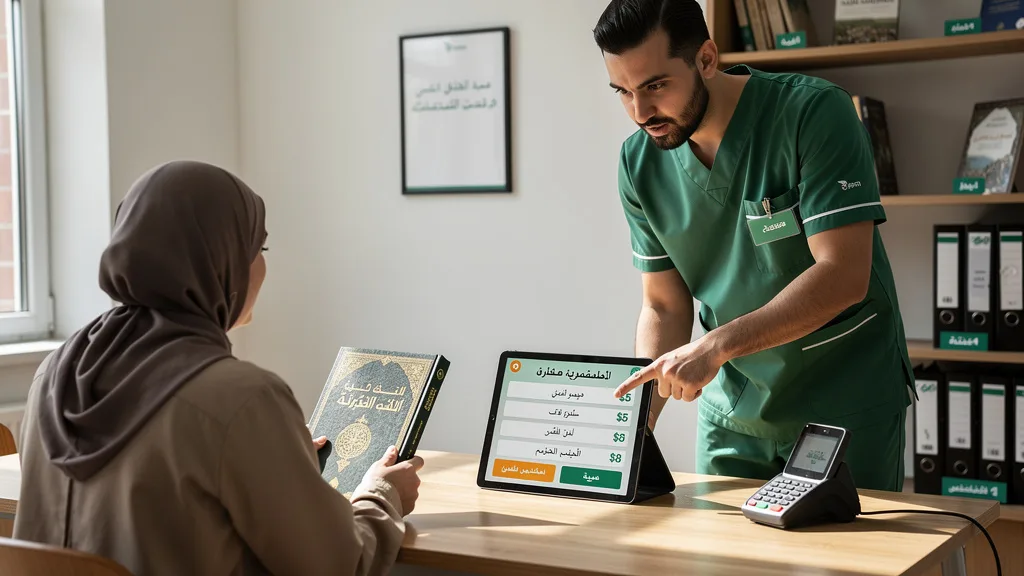
Create a Pre-Class Tech Checklist
Technical glitches can disrupt the flow of your trial session. Avoid them by running through a quick checklist 10-15 minutes before the class is scheduled to begin. This simple preparation ensures a seamless start.
- Install the App: Download and install the required application (e.g., Zoom, WhatsApp) on your device ahead of time.
- Test Your Internet: Ensure you have a stable Wi-Fi or data connection in the location you plan to take the class.
- Check Your Audio: Test your microphone and speakers or headset to make sure you can hear and be heard clearly.
- Test Your Camera: Turn on your camera to check the video quality and lighting.
- Charge Your Device: Make sure your laptop, tablet, or phone is fully charged or plugged in.
Prepare a List of Questions to Ask
Your trial is a two-way interview. Having a list of questions ready ensures you don't forget to ask about what matters most to you. This shows you are serious about the learning process and helps you gather all the necessary details.
- What is the teacher's qualification and teaching experience?
- What curriculum or books do you use for my specific level (e.g., beginner, intermediate)?
- How do you track student progress and provide feedback?
- What is the policy for rescheduling or canceling a class?
- What are the available schedules and communication platforms for classes?
- What are the payment plans and methods after the trial?
Set Up a Quiet, Distraction-Free Learning Space
The learning environment plays a huge role in concentration. Choose a spot in your home where you or your child can focus without interruptions from television, other family members, or noise. A quiet space shows respect for the teacher and the sacred knowledge being shared.
Make sure the area is well-lit and comfortable. Have a glass of water nearby and any necessary materials, such as a physical Quran or a notebook. Creating this dedicated learning zone helps set the right mindset for a productive and respectful session.
What to Do If the Fit Isn't Right After the Trial
The entire purpose of a free trial is to find the right fit. Sometimes, despite everyone's best efforts, the connection just isn't there. The teacher's style might not match the student's learning preference, or there might be another subtle mismatch. If you finish the trial feeling uncertain, it is perfectly okay.
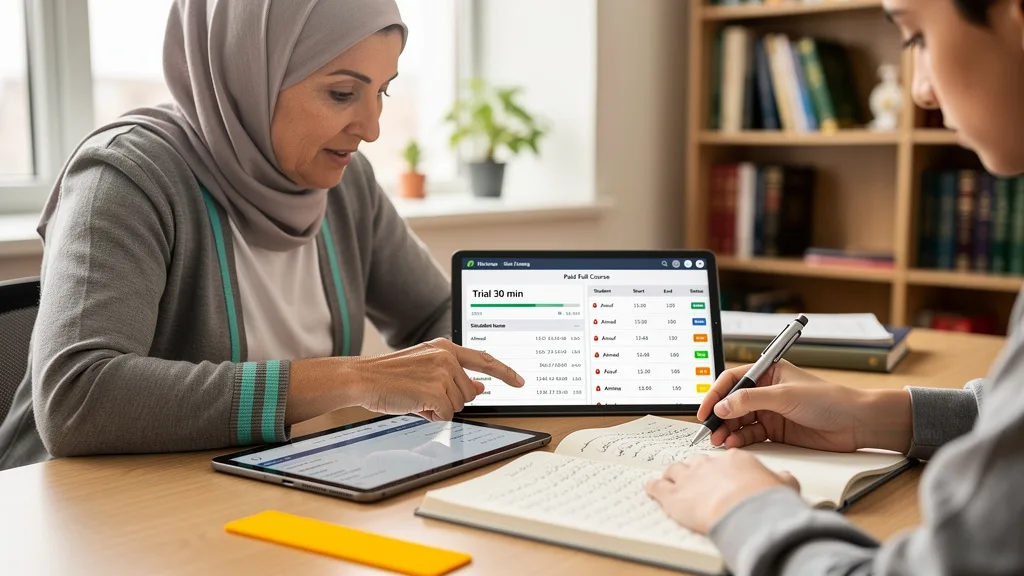
Do not feel pressured to enroll. A professional and student-focused academy will understand. The best course of action is to provide honest, polite feedback. You can simply thank the teacher for their time and explain that you'd like to consider your options. Often, the academy may offer you a second trial with a different teacher, recognizing the importance of finding the perfect match for a long-term learning relationship.
Key Takeaways
Navigating the world of online Quran education is easier when you understand the tools at your disposal. The free trial is your most powerful asset in this journey. Here are the key points to remember:
- Trial vs. Paid: A trial is a free, no-commitment assessment session, while paid classes are a structured, long-term educational program.
- The Purpose of a Trial: Use the 30-minute session as a diagnostic to evaluate the teacher's style, test the technology, and confirm the curriculum meets your goals.
- Safety is Paramount: A trustworthy platform ensures safety through vetted teachers, secure class links, and transparent policies for parental monitoring.
- Preparation is Key: Maximize your trial by preparing your tech, having questions ready, and setting up a quiet learning space.
- It's a Matchmaking Process: Don't be discouraged if the first trial isn't a perfect fit. The goal is to find the right long-term teacher who can inspire a lifelong love for the Quran.
Frequently Asked Questions
How much does a Quran online academy typically cost per month?
The cost of online Quran classes varies based on the number of sessions per week and the academy's location. In 2026, you can generally expect prices to range from $40 to $150 per month. Many academies offer package deals for multiple family members. It's best to check the specific Quran class fees on the academy's pricing page for accurate information.
Are online Quran classes effective for learning?
Yes, online Quran classes are highly effective, especially with one-on-one instruction. They provide personalized attention that is often not possible in a group setting. With a qualified teacher, a structured curriculum, and consistent practice, students can make excellent progress in their reading, Tajweed, and memorization. The focused environment helps students learn at their own pace.
Can you find completely free Quran classes online?
While there are many free resources like YouTube videos and apps for self-study, structured one-on-one classes with a live teacher are typically a paid service. What reputable academies offer are free trial classes. This allows you to experience the quality of teaching and service before committing financially, which is the best way to start without risk.
What should I do if I need to reschedule my free trial?
Life happens, and academies understand that. If you need to reschedule your free trial, contact the academy as soon as possible, ideally at least 24 hours in advance. This is a common courtesy that allows them to manage their teachers' schedules. They will be happy to work with you to find a new time that is convenient.
Does studying the Quran online have mental wellness benefits?
Absolutely. Engaging with the Quran is a deeply spiritual practice that brings tranquility and reduces stress. The act of recitation and reflection has been shown to have a calming effect on the mind and soul, helping to lower anxiety. Regular classes provide a peaceful routine and a consistent connection to your faith, which greatly contributes to overall mental and spiritual well-being.
Conclusion
Choosing an online Quran teacher is a significant decision for your family's spiritual and educational journey. The contrast between a trial and paid class is clear: the trial is your opportunity to look, and the paid class is your commitment to learn. By leveraging the free 30-minute session, you eliminate uncertainty and replace it with confidence, ensuring the teacher, platform, and curriculum are the perfect fit for you or your child.
The most important takeaways are to view the trial as a diagnostic tool, prioritize the safety and security of the learning environment, and prepare ahead of time to make the most of the session. A successful trial is one that leaves you fully informed and excited about the path ahead, regardless of whether you enroll immediately. The ultimate goal is to find a patient, qualified teacher who can nurture a lasting love for the Quran.
Taking this first step removes all the risk and guesswork. It allows you to experience our teaching style and meet our qualified female teachers in a comfortable, one-on-one setting. This is especially beneficial for sisters, children, and adult beginners who value a private and supportive learning environment. Discover if our approach is right for you.