
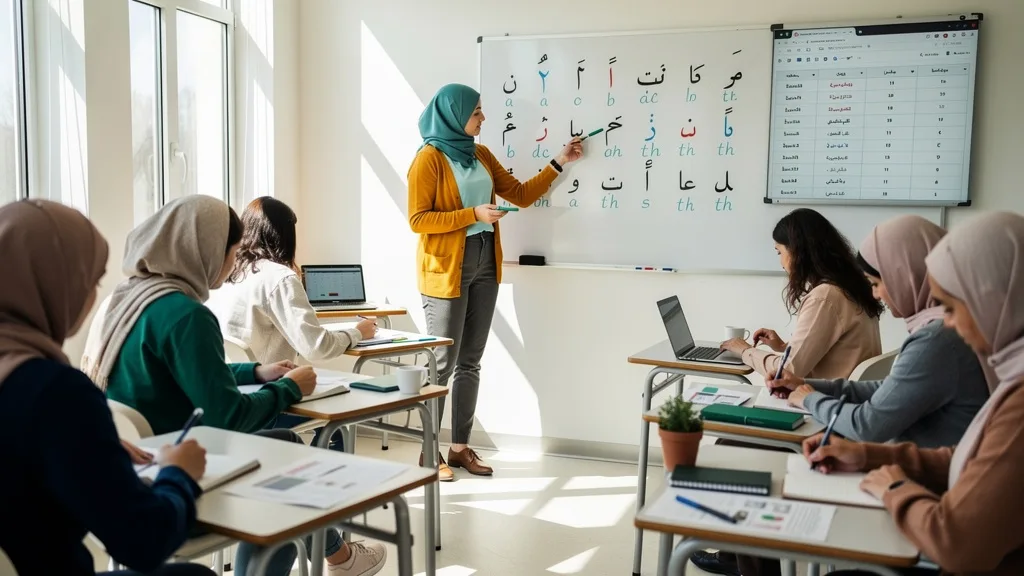
Are you wondering how to budget for your goal of learning Arabic this year? Understanding the financial commitment is the first step, but with so many options available, from mobile apps to private tutors, it can be difficult to get a clear answer.
As of 2026, the cost of an Arabic course can range from as little as $10 per month for a language app to over $15,000 for an intensive immersion program. Private online tutoring typically falls between $15 and $40 per hour, while university courses can cost several thousand dollars per semester. The final price depends heavily on the course format, tutor qualifications, and lesson frequency you choose.
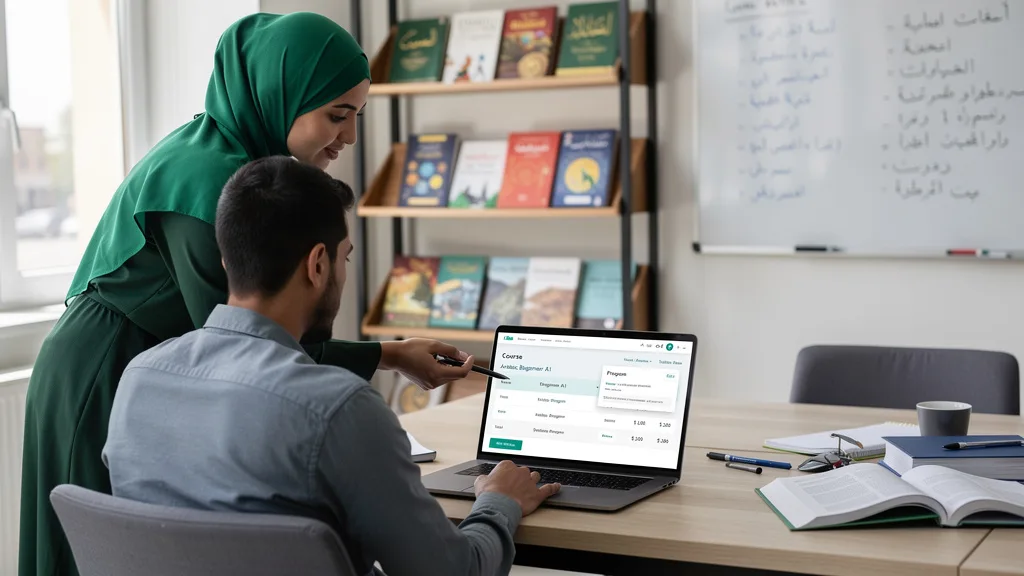
Embarking on your Arabic language journey in 2026 involves navigating a wide spectrum of costs. For self-starters, language learning apps offer a budget-friendly entry point, often priced between $10 and $20 per month. Online group classes provide more structure and interaction, typically costing $150 to $400 for a multi-week course.
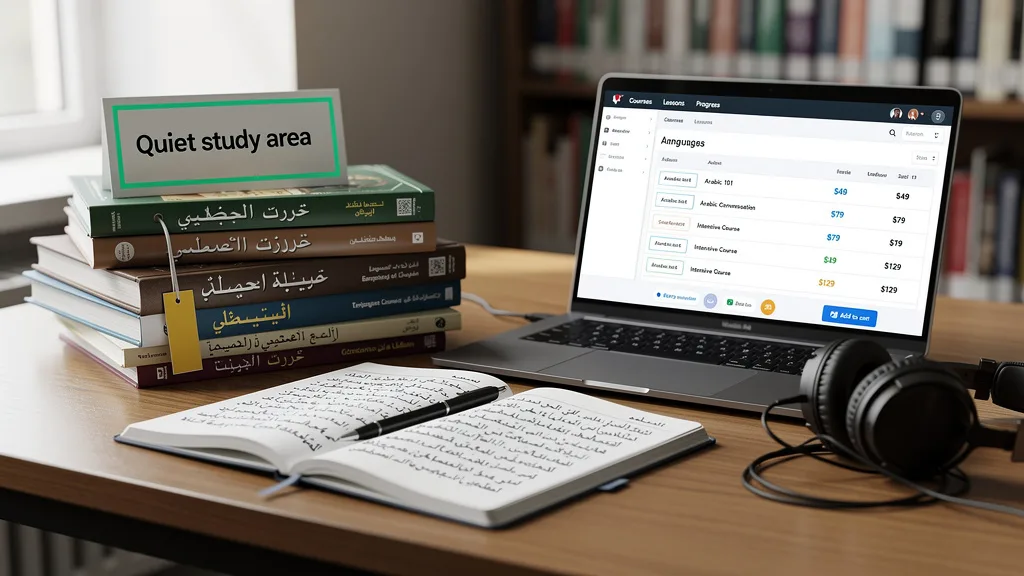
For those seeking personalized attention, private online tutors are a popular choice, with hourly rates generally ranging from $15 to $40. On the higher end, university-level courses can cost anywhere from $1,000 to $5,000 per semester, not including materials. Finally, for the most rapid progress, intensive immersion programs represent the largest investment, with costs starting at $3,000 and potentially exceeding $15,000 for comprehensive, multi-month experiences abroad.
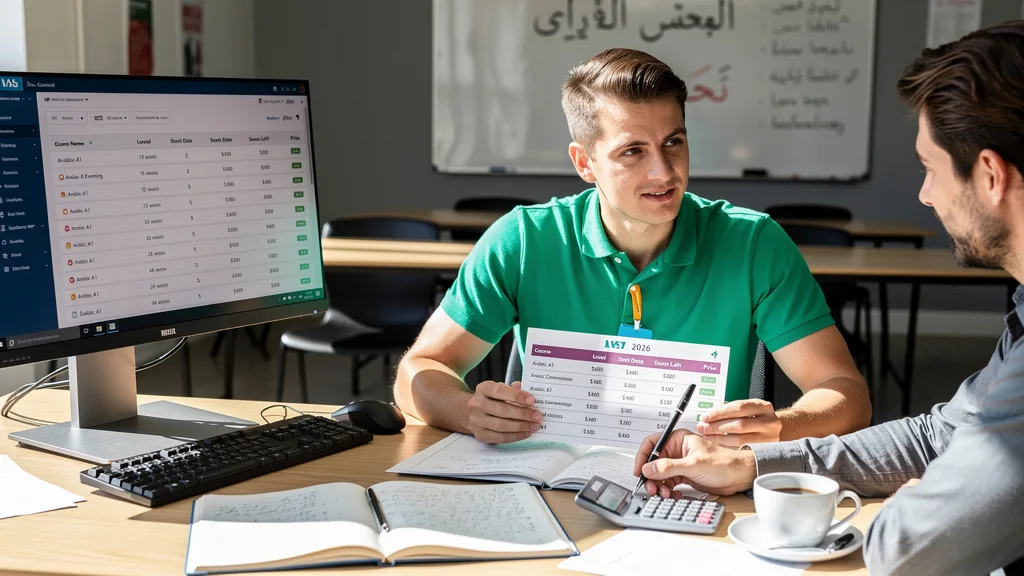
What Factors Influence the Cost of Arabic Courses?
Several key variables determine the final price of your Arabic language education. Understanding these factors will help you find affordable options that align with your learning style and goals. The primary drivers include the instructor's background, the class format, and the frequency of your lessons.
Tutor Experience and Qualifications
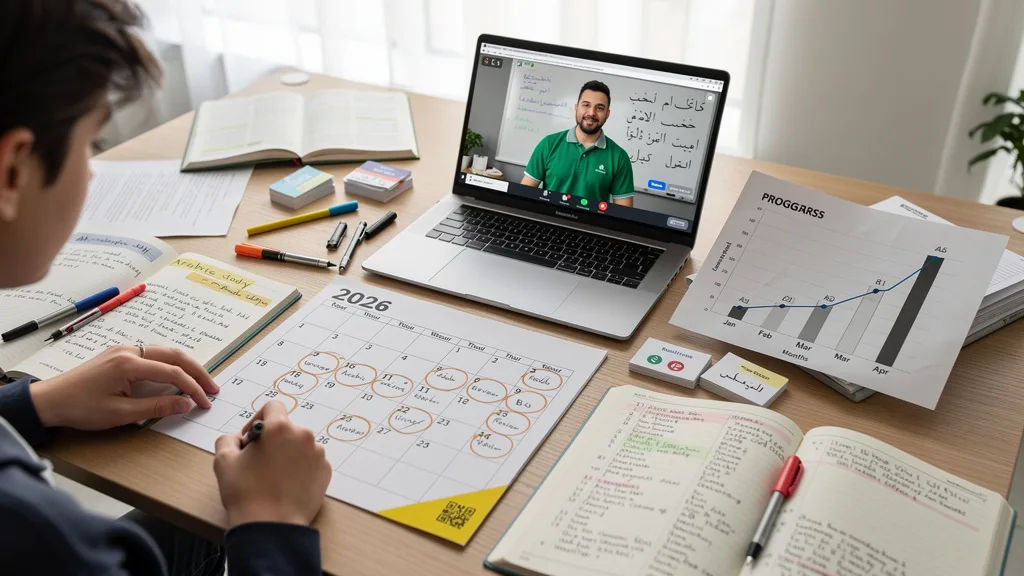
The expertise of your instructor is one of the most significant cost factors. A tutor with a university degree in Arabic studies, native fluency, and years of teaching experience will command a higher rate than a less experienced or non-native speaker. Tutors who specialize in specific areas, such as Classical Arabic for Quranic studies or a particular regional dialect, may also have higher fees due to their specialized knowledge.
When evaluating program costs, consider the value that a qualified teacher provides. An experienced educator can offer structured lesson plans, provide nuanced feedback on pronunciation and grammar, and tailor the curriculum to your specific needs, potentially accelerating your learning progress and making the investment more worthwhile in the long run.
Course Format: Group vs. Private Instruction
The choice between group and private lessons dramatically impacts the price. Group classes are more economical because the instructor's fee is shared among several students. This format can be beneficial for learners who enjoy social interaction and practicing with peers. However, the instructor's attention is divided, and the pace is set by the group average.
In contrast, private Arabic tutoring offers a fully customized learning experience. With one-on-one instruction, every minute is dedicated to your progress. This is particularly beneficial for students with specific goals, such as mastering Tajweed for Quran recitation or focusing on business vocabulary. While the hourly rate is higher, the focused attention often leads to faster and more efficient learning, which can be a valuable consideration for many families and individuals looking to learn Quran online for kids or for themselves.
Lesson Duration and Frequency
The length and frequency of your lessons also play a role in the overall cost. Most tutors and language schools offer discounts for purchasing lesson packages or committing to a longer-term schedule. For example, booking 20 hours of instruction upfront may result in a lower per-hour rate than paying for single lessons on a weekly basis.
Similarly, the duration of each session affects the price. A 30-minute introductory lesson will cost less than a 60 or 90-minute intensive session. When planning your budget, consider your learning stamina and how frequently you can realistically practice. Consistent, shorter lessons can sometimes be more effective and budget-friendly than infrequent, longer classes.
Online Platforms vs. In-Person Classes
Where you learn also influences the cost. In-person classes at a physical language school or community center often have higher overhead costs, including rent and utilities, which are passed on to the student. These classes may also require you to purchase physical textbooks and commute, adding to your total investment.
Online Arabic courses have become increasingly popular due to their convenience and affordability. With lower overhead, online providers can often offer more competitive pricing. This format provides access to a global pool of qualified tutors, allowing you to find an expert who fits your budget and schedule, regardless of your location. Learning online eliminates travel time and costs, making it a highly efficient option for busy adults and families.
Price Breakdown by Arabic Course Type for 2026
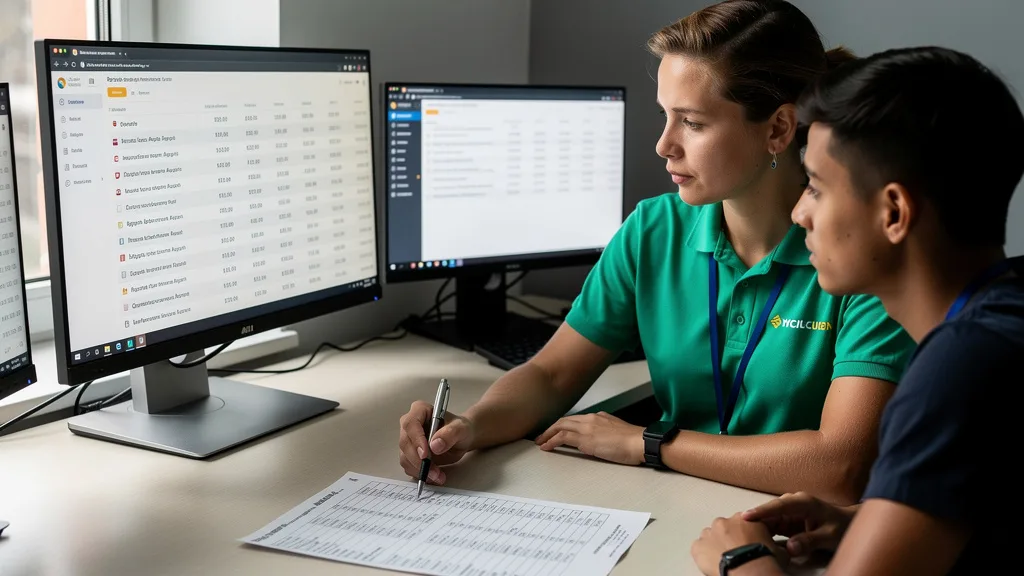
To help you better understand your options, here is a detailed breakdown of typical costs associated with different types of Arabic courses in 2026. The price varies significantly based on the method of instruction and the level of personalization you require.
| Course Type | Typical Cost Range (USD) | Best For |
|---|---|---|
| Language Learning Apps | $10 - $20 / month | Beginners, vocabulary building, casual learners |
| Online Group Classes | $150 - $400 / course | Budget-conscious learners who enjoy social interaction |
| Private Online Tutoring | $15 - $40 / hour | Personalized goals, focused learning, flexible scheduling |
| University Programs | $1,000 - $5,000 / semester | Academic credit, in-depth study, access to resources |
| Immersion Programs | $3,000 - $15,000+ | Rapid fluency, cultural immersion, serious learners |
Online Group Classes
Online group classes offer a structured curriculum in a collaborative environment. Platforms like Zoom or Google Meet are used to connect a small group of students with a single teacher. These courses are typically sold in packages, such as an 8-week program with one or two sessions per week. They provide a good balance between affordability and live instruction.
This format is ideal for learners who are motivated by a classroom setting but want the convenience of learning from home. You get the opportunity to practice speaking with other students and learn from their questions. However, the pace may not be perfectly suited to your individual learning speed, and you will have less one-on-one time with the instructor.
Private Arabic Tutoring
Private tutoring provides the most personalized and flexible approach to Arabic language learning. Whether online or in-person, a private tutor can tailor every aspect of the lesson to your needs, from the curriculum content to the teaching style. This is especially effective for learners who want to focus on specific skills, such as understanding the Quran, preparing for an exam, or learning a particular dialect.
While the hourly rate is higher than for group classes, the efficiency of one-on-one instruction can lead to faster progress, potentially saving you money over the long term. Many tutors offer package deals that reduce the per-hour cost, making it a more accessible option. This focused approach ensures you get the maximum value out of every single lesson.
"Investing in a private tutor is investing in your own progress. When learning a language as rich as Arabic, having a guide who can correct your pronunciation in real-time and adapt to your unique learning style is invaluable. It transforms the process from a slow struggle to an engaging and efficient journey."
University and College Programs
For those seeking academic credentials, a university Arabic course is the most formal option. These programs offer a rigorous, structured curriculum designed by language experts and often lead to a degree or certificate. You gain access to extensive resources like libraries, language labs, and cultural events. These faculty-led programs provide a deep dive into not just the language but also the history and culture of the Arabic-speaking world.
However, this is one of the most expensive routes. Tuition can be substantial, and you must also factor in the cost of textbooks, student fees, and potentially commuting or relocating. The schedule is rigid and follows the academic calendar, which may not be suitable for working professionals or those needing more flexibility.
Language Learning Apps and Software
Language apps like Duolingo, Rosetta Stone, or Babbel are an extremely popular and affordable entry point into learning Arabic. They are excellent for building a foundational vocabulary, practicing sentence structure through gamified exercises, and learning the script. Their low monthly subscription cost makes them accessible to almost everyone.
The primary limitation of apps is the lack of real-time speaking practice and personalized feedback. While they can teach you words and phrases, they cannot correct your pronunciation or help you navigate the nuances of a real conversation. They are best used as a supplementary tool alongside a more interactive form of instruction.
Intensive Immersion Programs
For the most dedicated learners aiming for fluency in the shortest possible time, an intensive immersion program is the ultimate option. These programs involve traveling to an Arabic-speaking country and enrolling in a language school for several weeks or months. You will be studying, living, and breathing the language every day.
This is by far the most expensive choice, as the cost includes not only tuition but also international airfare, accommodation, and daily living expenses. However, the progress made during such a program is unparalleled. It is an investment for those who are serious about achieving a high level of proficiency for professional or personal reasons.
Beyond Tuition: Hidden Costs to Budget For
When you ask, how much does an Arabic course cost in 2026, it is important to look beyond the sticker price of tuition. Several additional expenses can arise during your studies, and factoring them into your budget from the start will prevent surprises later on. These often include materials, exam fees, and travel.

Textbooks and Learning Materials
Most formal courses, whether online or in-person, will require a textbook or workbook. These can range from $30 to over $100 per book. Some online courses may include digital materials in the tuition fee, but others will require you to purchase them separately. Additionally, you might want to invest in supplementary resources like dictionaries, flashcard apps, or graded readers, which can add to the total cost.
Certification and Examination Fees
If you plan to get an official certificate of proficiency, such as the ALPT (Arabic Language Proficiency Test), you will need to pay an examination fee. These fees can range from $100 to $300, depending on the testing body and your location. While not necessary for all learners, a certificate can be valuable for academic or professional purposes, so it is a cost to consider if it aligns with your goals.
Travel and Accommodation for Immersion
For students considering an immersion program, travel and accommodation are the largest hidden costs. A round-trip flight to a country like Egypt, Jordan, or Morocco can cost anywhere from $800 to $2,000. Accommodation, whether in a student dormitory or a private apartment, can add several hundred to over a thousand dollars per month to your budget. You must also account for daily living expenses like food, local transportation, and cultural activities.
Finding Affordable Arabic Courses That Fit Your Budget
Learning Arabic does not have to break the bank. With a strategic approach, you can find high-quality, affordable options that match your financial situation. The key is to know where to look and how to leverage different resources to create a learning plan that works for you.

- Start with Free Trials: Many online platforms offer a free trial lesson, giving you a chance to meet the teacher and experience their style before committing.
- Buy in Bulk: Look for tutors and schools that offer discounts on lesson packages. Buying 10 or 20 hours at once is almost always cheaper than paying per lesson.
- Combine Resources: Use free apps and YouTube videos to supplement a less frequent but more focused private or group class.
- Look for Off-Peak Tutors: Some tutors may offer lower rates for lessons during less popular hours.
- Explore Community Options: Check with local mosques or cultural centers, which sometimes offer very low-cost or free Arabic classes.
Look for Introductory Offers and Free Trials
One of the best ways to find an affordable and effective course is to take advantage of introductory offers. Many online tutors and language academies provide a free or heavily discounted first lesson. This allows you to assess the teacher's methodology, your chemistry with them, and the overall quality of the platform without any financial risk.
At Hidayah Quran Academy, we believe in finding the right fit for every student. That is why we encourage prospective students to Book Free Trial sessions to experience our one-on-one instruction firsthand. This trial is a perfect opportunity to discuss your learning goals and see how our qualified female teachers can help you on your journey with Arabic and the Quran.
Consider Self-Paced Learning Resources
If your budget is very tight, self-paced resources can be an excellent starting point. There is a wealth of free or low-cost material available online, including YouTube channels dedicated to teaching Arabic, language exchange apps where you can practice with native speakers, and websites with free worksheets and grammar guides. While these resources lack the structure of a formal course, a motivated learner can make significant progress with them.
The key to success with self-study is consistency and discipline. Create a study schedule for yourself and stick to it. Combine different resources to cover all aspects of the language: use an app for vocabulary, watch videos for listening comprehension, and find a language partner for speaking practice.
Explore Non-Profit or Community-Led Programs
Do not overlook the resources within your own community. Many mosques and Islamic cultural centers offer Arabic language courses for adults and children at a fraction of the cost of commercial schools. These programs are often run by volunteers or community members who are passionate about teaching the language of the Quran.
While the structure might be less formal, these community-led programs provide a supportive and encouraging environment. They are also a wonderful way to connect with other learners in your area. Inquire at your local center to see what programs that fit your budget they might have available.
How Learning Duration Impacts Your Total Investment
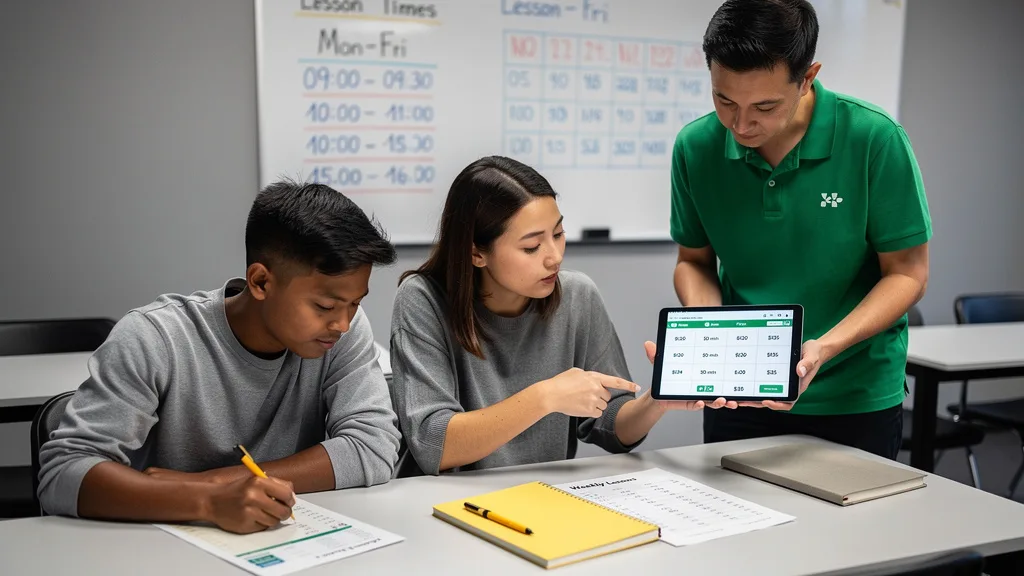
The total cost of learning Arabic is not just the hourly rate but the accumulation of that rate over time. Your desired level of proficiency directly correlates with the duration of your studies, and therefore, the total financial investment you will make. Setting realistic expectations for your learning timeline is crucial for long-term budgeting.
Timeline for Basic Conversational Skills
To achieve a basic level of conversational ability (A1-A2 on the CEFR scale), where you can introduce yourself, ask simple questions, and handle everyday situations like ordering food, you can expect to study for about 3 to 6 months with consistent effort. This typically involves 2-4 hours of dedicated study per week, including lessons and personal practice. This is the stage where you will master the fundamentals, like the Arabic alphabet and basic sentence structures.
Assuming a private tutor rate of $25 per hour for one lesson per week, your tuition cost for six months would be approximately $600. Combined with self-study and apps, this initial phase is a manageable investment for most learners. Group classes could bring this cost down even further.
Timeline for Advanced and Professional Fluency
Reaching advanced or professional fluency (C1-C2 level) is a significant long-term commitment. According to the U.S. Foreign Service Institute, Arabic is a Category IV language, requiring approximately 2200 hours of study for a native English speaker to achieve proficiency. This translates to several years of consistent and dedicated learning.
The total investment for reaching this level can be substantial, running into thousands or even tens of thousands of dollars, especially if it includes university courses or immersion programs. However, this level of fluency opens up professional opportunities in translation, diplomacy, and international business, providing a significant return on your investment. It is a marathon, not a sprint, and your budget should reflect this long-term perspective.
Key Takeaways
Navigating the cost of Arabic courses in 2026 requires a clear understanding of your goals and budget. Here are the most important points to remember:
- Costs Vary Widely: Prices range from $10/month for apps to over $15,000 for immersion programs. Private online tutors typically cost $15-$40 per hour.
- Key Cost Factors: The final price is influenced by tutor experience, class format (private vs. group), lesson frequency, and delivery method (online vs. in-person).
- Private Tutoring Offers Value: While more expensive per hour, one-on-one instruction provides personalized attention that can accelerate your learning and be more cost-effective over time.
- Budget for Hidden Costs: Remember to account for extra expenses like textbooks, certification exams, and travel for immersion programs.
- Affordable Options Exist: Leverage free trials, package discounts, self-study resources, and community programs to make learning Arabic fit your budget.
- Time is an Investment: Your total cost depends on your fluency goals. Basic conversation may take a few months, while advanced fluency is a multi-year commitment.
Frequently Asked Questions
What is the best type of course to learn Arabic?
The best type of course depends entirely on your learning style, budget, and goals. For self-motivated beginners on a tight budget, a combination of language apps and free online resources can be effective. For those who thrive on social interaction, online group classes are a great middle ground. However, for focused, rapid progress and personalized feedback, private one-on-one tutoring is widely considered the most effective method.
Can you realistically learn Arabic in 3 months?
In 3 months of consistent study (5-10 hours per week), you can realistically achieve a basic level of proficiency. You can expect to learn the Arabic alphabet, master essential greetings and introductions, and handle simple, everyday conversations. Achieving fluency in 3 months is not a realistic goal, as Arabic is a complex language that requires a much longer time commitment to master.
Are online Arabic courses as effective as in-person classes?
Yes, online Arabic courses can be just as effective, and in many cases, more so than in-person classes. The effectiveness depends on the quality of the instructor and the student's engagement. Online learning offers greater flexibility, access to a wider pool of expert native-speaking tutors, and often more competitive pricing. The one-on-one format available online provides focused attention that is hard to match in a group classroom setting.
How much does a private Arabic tutor cost per hour in 2026?
In 2026, the cost for a private Arabic tutor online typically ranges from $15 to $40 per hour. Tutors on the lower end of this range may be less experienced or based in countries with a lower cost of living. Tutors charging $30-$40 or more per hour usually have extensive teaching experience, advanced degrees, and specialized knowledge in areas like Classical or Quranic Arabic.
Do I need to learn a specific dialect of Arabic first?
Most experts recommend starting with Modern Standard Arabic (MSA), or 'Fusha'. MSA is the standardized version used in news, books, and formal situations across the Arab world. It provides a strong foundation in grammar and vocabulary. After mastering the basics of MSA, you can then more easily branch out to learn a specific spoken dialect, such as Egyptian, Levantine, or Gulf Arabic, depending on your interests.
Conclusion
Determining how much an Arabic course cost in 2026 involves more than just looking at an hourly rate. It requires evaluating the type of instruction that best suits your goals, the qualifications of the teacher, and the total time you are willing to invest. From affordable apps to comprehensive university programs, there is a path for every budget and learning style.
The most important takeaways are to understand the value behind the price and to be realistic about your timeline. A higher-priced private tutor can offer accelerated progress through personalized feedback, potentially saving you time and money in the long run. Conversely, free and low-cost resources can build a solid foundation if you have the discipline for self-study. The key is to find the right balance that keeps you motivated and moving forward on your language journey.
Ultimately, the best investment is one that you can stick with consistently. Choosing the right course format and instructor is crucial for maintaining momentum and turning your goal of learning Arabic into a reality. Don't be afraid to test different options before you commit.
If you are a sister, mother, or new learner seeking a supportive and private environment to learn Arabic for understanding the Quran, a personalized approach is often best. We invite you to experience how our qualified female teachers can help you achieve your goals with confidence and clarity. Take the first step on your journey today.
If you want help turning this into a concrete plan for your site or team, take the next step below — it is the fastest way to move from reading about How Much Does an Arabic Course Cost in 2026 to applying it with confidence.
Ready to act on How Much Does an Arabic Course Cost in 2026? Book Free Trial — tell us your goal, and we will help you pick the highest-leverage next step so you are not guessing alone.