
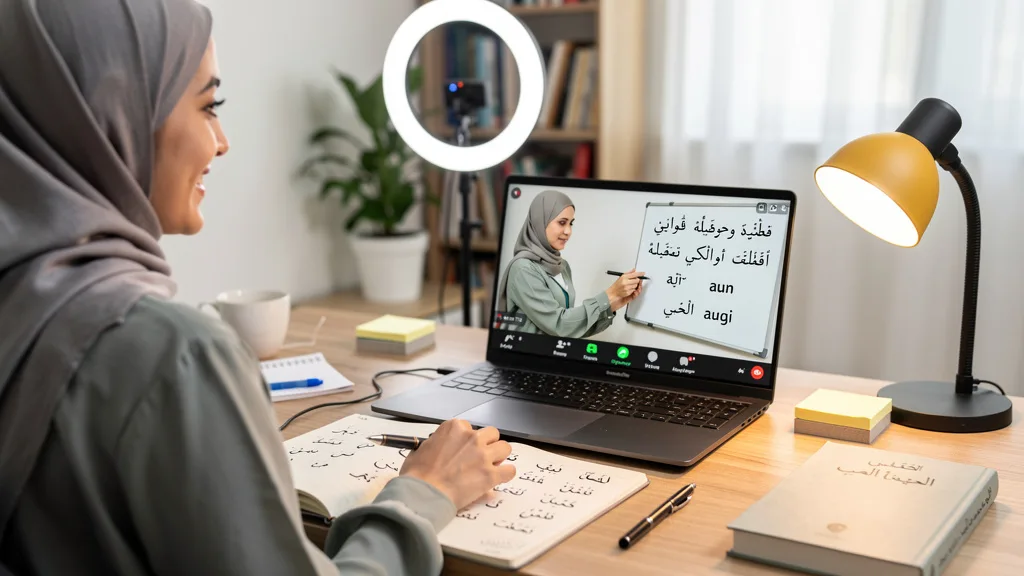
Determining the exact cost of online Arabic courses can feel complicated, as prices vary widely based on the format and provider. As of 2026, you can expect to pay anywhere from $0 for self-guided apps to over $100 per hour for specialized private tutoring. Most learners find a middle ground with subscription platforms or dedicated academies, which typically range from $20 to $150 per month depending on the level of live instruction and personal feedback provided.
To make an informed decision, it is essential to compare the different learning models available. A free app might seem appealing initially, but it often lacks the structure and accountability needed for serious progress. On the other hand, a comprehensive course from a dedicated academy provides a clear learning path, expert guidance, and conversational practice, which are crucial for developing fluency in this rich and complex Semitic language.
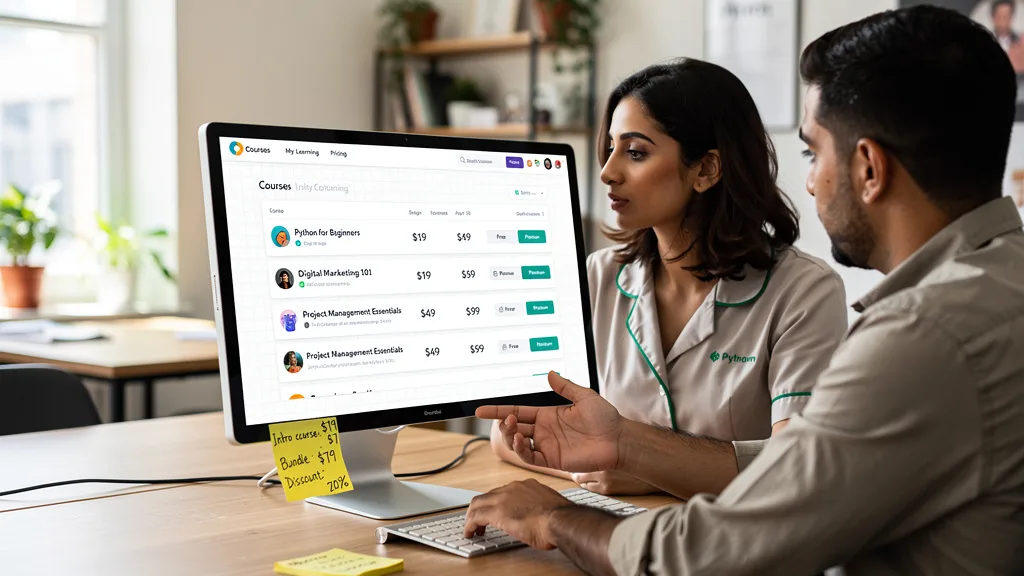
The table below outlines the typical pricing structures and features you can expect from different types of online Arabic learning platforms in 2026. This comparison can help you identify which option aligns best with your learning style, goals, and budget, whether you are a complete beginner or an intermediate student looking to advance your skills.
| Course Type | Average Monthly Cost (USD) | Best For | Pros | Cons |
|---|---|---|---|---|
| Language Apps (Self-Guided) | $0 – $20 | Casual learners, vocabulary building | Low cost, flexible, good for basics | No speaking practice, lacks depth |
| Online Group Classes | $50 – $200 | Budget-conscious students seeking interaction | Interactive, structured, affordable | Less personal attention, fixed schedule |
| Private Online Tutoring | $250 – $600+ ($25-$70/hour) | Serious learners, specific goals | Personalized curriculum, flexible scheduling | Higher investment |
| University Programs | $1,000+ per course | Academic credit, in-depth study | Comprehensive, accredited | Very expensive, rigid structure |
Key Factors That Influence the Price of Arabic Lessons
The price you pay for online Arabic lessons is not arbitrary. Several key factors determine the final cost, and understanding them allows you to find a program that offers the best value for your specific needs. From the teaching format to the instructor's background, each element plays a significant role in the overall pricing structure.
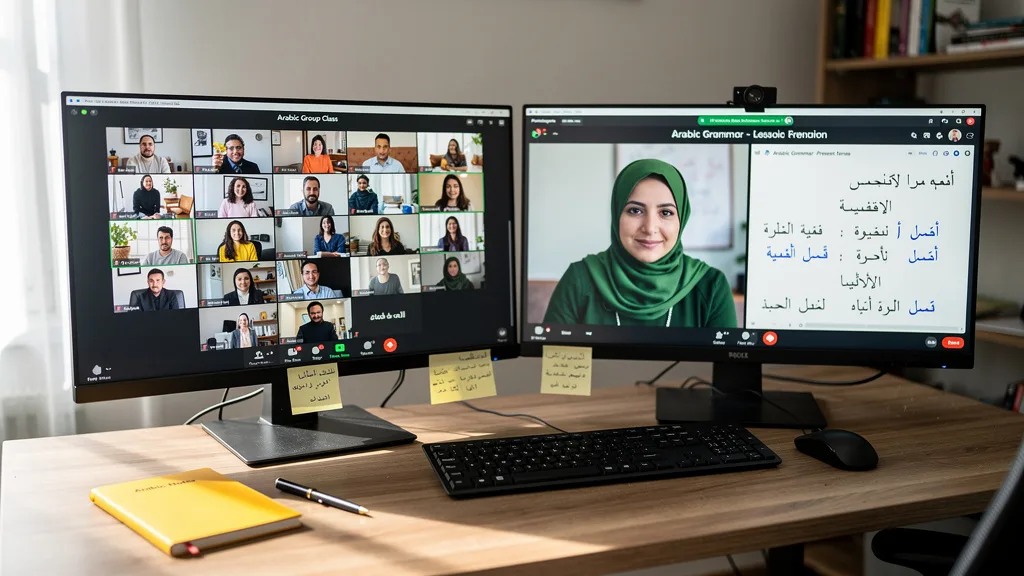
Considering these variables will help you look beyond the sticker price and evaluate whether a course is truly a good fit. For example, a cheaper group class may not be cost-effective if it doesn't help you achieve your goal of conversational fluency. Conversely, a high-priced private tutor might be the most efficient investment if you need to learn a specific dialect for business or travel.
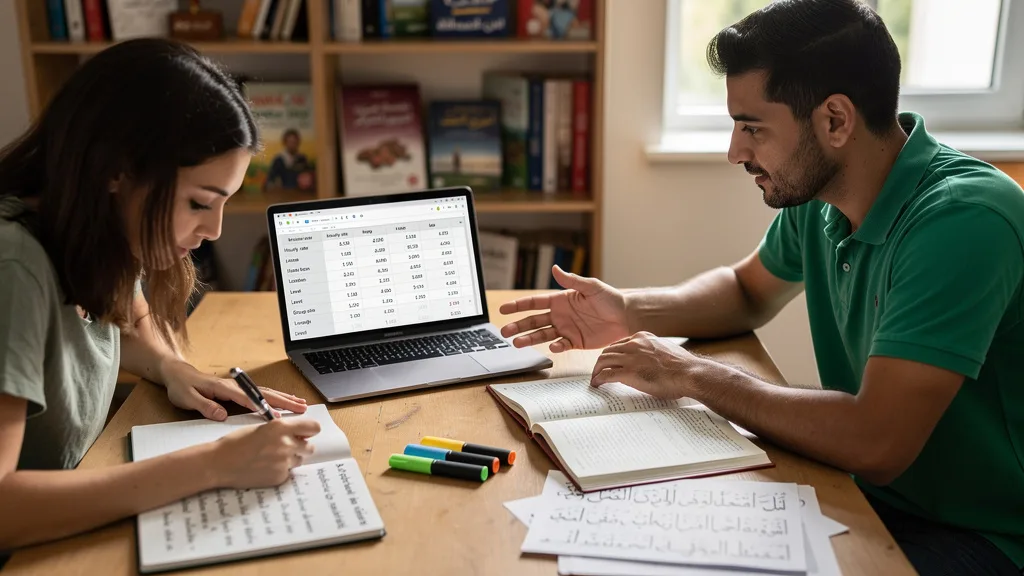
Private Tutoring vs. Group Classes
The most significant cost differentiator is the choice between private tutoring and group classes. Group classes are more affordable because the instructor's fee is shared among several students. This format can foster a sense of community and allow you to learn from your peers' questions, but it offers limited one-on-one attention and proceeds at a pace set by the group average.
In contrast, private tutoring offers a completely personalized experience. An instructor can tailor the curriculum to your specific goals, learning style, and pace. This focused attention often leads to faster progress, especially for complex topics like grammar and pronunciation. While the hourly rate for a 1-on-1 female Quran tutor or Arabic instructor is higher, the efficiency of learning may result in a lower total investment over time to reach your goals.
Your Current Skill Level and Learning Goals
Your proficiency level directly impacts the cost of your lessons. Beginner courses covering the alphabet (Alif Baa) and basic vocabulary are often more standardized and may be priced lower. These introductory classes are widely available and taught by a larger pool of instructors, creating more price competition.
As you advance, you will require a more experienced teacher who can navigate complex grammar, literature, or specialized business terminology. Advanced courses in rhetoric (Balagha) or classical Arabic for scriptural understanding demand a higher level of expertise from the instructor, which naturally increases the price. Therefore, a course designed for an absolute beginner will almost always be more affordable than one for an advanced student preparing for a proficiency exam.
Tutor Experience and Native Speaker Status
The background and qualifications of your instructor are a major factor in the cost of online Arabic courses. A university student offering conversational practice will charge significantly less than a certified instructor with a Ph.D. in linguistics and a decade of teaching experience. When you choose an online teacher, you are paying for their expertise, teaching methodology, and ability to explain difficult concepts clearly.
As a seasoned language instructor might say, "A great teacher doesn't just know the language; they know how to build a bridge to it for the student. That expertise is the real value you're investing in when you choose a qualified tutor over a simple conversation partner."
Whether the tutor is a native speaker also affects the price. Native speakers can provide invaluable insights into cultural nuances, idioms, and authentic pronunciation. However, a non-native speaker with formal training in teaching Arabic as a foreign language can sometimes be more effective at explaining grammar rules from a learner's perspective. The ideal, and often most premium, option is a native speaker who also holds professional teaching qualifications.
Course Specialization: Modern Standard vs. Spoken Dialects
Arabic is not a single language but a collection of dialects alongside a formal standard version. The type of Arabic you choose to learn will influence the cost. Modern Standard Arabic (MSA), or Fus'ha, is the language of news, literature, and formal education across the Arab world. Because it is standardized, there are more resources and teachers available, which can sometimes lead to more competitive pricing.
Courses in specific spoken dialects (Aammiyya), such as Egyptian, Levantine, or Gulf Arabic, can be more expensive. These dialects have fewer formally trained instructors, and learning them requires a teacher who is a native speaker of that specific region. If your goal is to converse with people in a particular country, investing in a dialect-specific course is essential and may command a higher price due to the specialized nature of the instruction.
Comparing Paid Platforms and Specialized Institutes
The online education market offers a wide spectrum of options for learning Arabic, each with its own pricing model and teaching philosophy. From gamified mobile apps to rigorous university-level programs, your choice will depend on your commitment level, learning preferences, and financial resources. Understanding the differences between these platforms is key to finding the right fit.
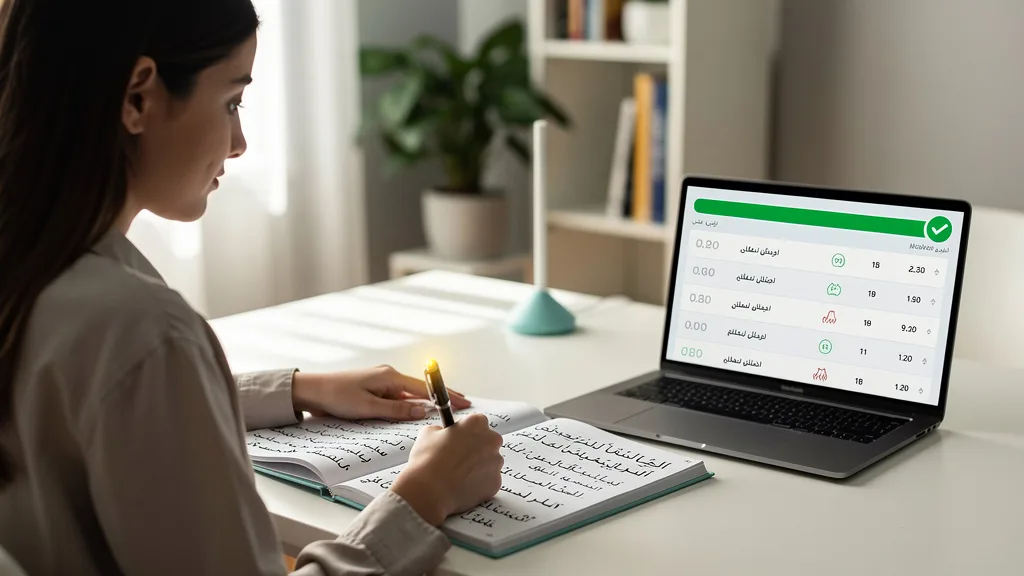
Subscription apps offer a low-cost entry point, while dedicated academies provide a structured and supportive environment. University programs, on the other hand, cater to those seeking academic credentials. Evaluating the pros and cons of each will help you allocate your budget effectively for your language learning journey. female Quran tutor.

Subscription-Based Language Apps
Language learning apps like Duolingo, Babbel, and Memrise are incredibly popular due to their low cost and convenience. For a small monthly fee, often less than $20, you get access to gamified lessons, vocabulary drills, and basic grammar exercises. These platforms are excellent for building a foundational vocabulary and getting comfortable with the Arabic script on your own schedule.
However, their primary weakness is the lack of genuine conversational practice and personalized feedback. You can learn words and phrases, but it is very difficult to develop fluency without interacting with a live speaker. These apps are best used as a supplementary tool alongside a more structured course rather than as a standalone solution for serious learners.
University-Style Online Programs
For those seeking a more formal and academically rigorous approach, several universities offer online Arabic courses for credit. These programs provide a comprehensive curriculum developed by academic experts, covering everything from grammar and literature to history and culture. The instruction is high-quality, and completing such a course can earn you a certificate or college credit.
The main drawback is the cost, which can run into thousands of dollars per course, mirroring on-campus tuition fees. The schedule is also rigid, with set deadlines for assignments and exams. This option is best suited for students who need academic credentials or those who thrive in a highly structured, traditional academic environment and have the budget to support it.
Dedicated Online Arabic Academies
Dedicated online language academies represent a balanced approach, combining the structure of a formal program with the flexibility of online learning. These institutions, like our own Hidayah Quran Academy, focus specifically on language instruction and employ qualified, experienced teachers. They offer a range of programs, from group classes to private tutoring, allowing you to choose a path that fits your budget and goals.
These academies often provide a more holistic learning experience, including cultural lessons and direct interaction with instructors. For those seeking online classes for females, many academies offer private environments with female teachers, ensuring a comfortable learning space. The pricing is typically a mid-range option, offering a higher return on investment than apps through personalized feedback and structured progress.
How to Find Free Online Arabic Courses
If your budget is tight, there are still numerous high-quality resources available to help you start learning Arabic for free. While they may require more self-discipline, these free options can provide a solid foundation in the language. Combining several of these resources can create a surprisingly effective and comprehensive self-study program.
The key to success with free resources is consistency and active learning. Don't just passively watch videos; take notes, practice speaking out loud, and engage with other learners in online communities. This proactive approach will help you overcome the lack of a formal instructor.

Reputable Free Apps to Start Learning Arabic
Many popular language apps offer a freemium model, providing a substantial amount of content at no cost. Duolingo's free tier, for example, is a great way to learn the Arabic alphabet and basic vocabulary through fun, game-like exercises. Other apps like Memrise use community-created flashcard decks that can help you rapidly expand your vocabulary on specific topics.
While these free versions come with limitations, such as advertisements or locked advanced content, they are an excellent starting point. They can help you gauge your interest in the language before committing to a paid course. Some learners find success by using the free tiers of multiple apps to get a more well-rounded introduction to Arabic, an approach that can be particularly useful for those curious about what a free trial class might offer.
YouTube Channels and Community Resources
YouTube has become an incredible library of free educational content for virtually any subject, including Arabic. Numerous channels are run by native speakers and passionate teachers who offer detailed lessons on grammar, pronunciation, vocabulary, and culture. Channels like 'Learn Arabic with Maha' or 'ArabicPod101' provide hundreds of hours of free video lessons for all skill levels.
In addition to YouTube, online forums and communities like Reddit's r/learn_arabic offer a space to ask questions, share resources, and find language exchange partners. These communities provide the interactive element that is often missing from self-study, allowing you to get feedback and practice with fellow learners from around the world. This peer support can be incredibly motivating and help you stay on track with your learning goals.
Is Investing in a Paid Arabic Course Worth It?
While free resources offer a valuable starting point, a paid course provides structure, accountability, and expertise that are difficult to replicate on your own. Investing in a paid program is often the most efficient path to fluency. A structured curriculum ensures you learn concepts in a logical order, building a strong foundation and avoiding gaps in your knowledge that can hinder your progress later on.
Furthermore, a paid course gives you access to an expert instructor who can provide personalized feedback, correct your pronunciation, and answer your specific questions. This guidance is invaluable and can save you months or even years of struggling with difficult concepts. The accountability of scheduled classes and assignments also helps you stay consistent with your studies, which is the single most important factor in language learning success.
Ultimately, the decision comes down to your goals and how quickly you want to achieve them. If you are a casual learner, free resources may be sufficient. However, if you are serious about becoming proficient in Arabic for personal, professional, or religious reasons, investing in a quality paid course is almost always worth it. It accelerates your learning, provides you with confidence, and ensures you are learning the language correctly from the very beginning.
Key Takeaways
Navigating the options for learning Arabic online can be straightforward when you know what to look for. Understanding the costs and benefits of each approach is the first step toward making a smart investment in your education. Here are the main points to remember from this guide:
- Costs Vary Widely: The cost of online Arabic courses in 2026 ranges from free to thousands of dollars. The price depends on the format, with apps being the cheapest and private or university courses being the most expensive.
- Key Factors Determine Price: The final cost is influenced by private vs. group settings, your skill level, the tutor's experience, and whether you are learning Modern Standard Arabic or a specific dialect.
- Free Isn't Always Free: Free resources like apps and YouTube are excellent for starting but lack the structure, accountability, and expert feedback needed for fluency. They are best used as supplements.
- Paid Courses Offer Value: Investing in a paid course, especially with a private tutor or a dedicated academy, provides a structured path, personalized feedback, and faster progress, making it a worthwhile investment for serious learners.
- Define Your Goals First: The 'best' option depends entirely on your goals, budget, and learning style. Determine what you want to achieve before you choose a course.
Frequently Asked Questions
What is the best online course to learn Arabic?
The 'best' online course is subjective and depends entirely on your learning style, budget, and goals. For casual, self-paced learning, subscription apps like Duolingo or Babbel are a good start. For structured learning with interaction, group classes on platforms like iTalki or dedicated academies are effective. For the fastest and most personalized progress, a private tutor from a reputable online academy is often the most effective choice.
We recommend identifying your primary motivation for learning Arabic first. If you need to speak a specific dialect for travel, find a course that specializes in it. If you are learning for religious studies, a course focused on Classical or Modern Standard Arabic is more appropriate. Trying a free trial is a great way to see if a teaching style works for you.
How long does it take to learn Arabic fluently?
Arabic is considered one of the more challenging languages for native English speakers to learn. The U.S. Foreign Service Institute (FSI) estimates it takes approximately 2200 hours of study, or 88 weeks, to reach professional working proficiency. However, this timeline can vary dramatically based on several factors.
Your progress depends on your aptitude, the intensity of your study, and your immersion level. Consistent practice, especially with native speakers, can significantly speed up the process. With dedicated daily study and a good instructor, you can achieve conversational fluency in a major dialect within two to three years.
What payment models are common for online Arabic classes?
There are several common payment models for online Arabic classes. The most frequent are monthly subscriptions, common with language apps and some academies, which give you unlimited access to materials for a flat fee. Another popular model is pay-per-hour or purchasing a package of lessons, which is standard for private tutoring platforms.
Some dedicated academies offer term-based or course-based pricing, where you pay a lump sum for a full course that lasts several weeks or months. Many institutions, including ours, offer a free trial class to allow you to experience the service before committing financially, which is a great way to ensure the program is a good fit for you.
Is a private Arabic tutor more expensive than a course?
On an hourly basis, a private Arabic tutor is almost always more expensive than a group course or a subscription app. You are paying for the instructor's undivided attention and a curriculum tailored specifically to you. A group class divides the teacher's cost among multiple students, making it a more budget-friendly option.
However, it is important to consider the overall value and efficiency. Many students find they learn much faster with a private tutor, potentially reaching their goals in less time. This means the total cost to achieve fluency could be comparable to or even less than spending a longer period in less effective group classes.
How can I find a course that fits my budget?
Finding a course that fits your budget involves assessing all available options. Start by exploring high-quality free resources like YouTube channels and community forums to build a foundation. If you need more structure, look into affordable subscription apps or consider purchasing a small package of group classes to test the waters.
For those committed to learning with an instructor, look for academies that offer different pricing plans or package discounts. Many tutors on various platforms offer different rates based on their experience. Do not be afraid to take advantage of free trial lessons to find the best fit before you commit your funds.
Conclusion
Choosing how to learn Arabic online in 2026 involves balancing cost, commitment, and your personal learning goals. As we've explored, the options are vast, from entirely free self-study resources to premium private tutoring. The key takeaway is that there is no single 'best' path, only the one that is best for you. By understanding the factors that influence the cost of online Arabic courses, you are empowered to make a choice that respects your budget and sets you up for success.
Two of the most actionable insights from this guide are to first clearly define your 'why' for learning Arabic and then to take advantage of free trials. Knowing whether you need conversational Egyptian Arabic for travel or Modern Standard Arabic for professional reasons will immediately narrow your options. A trial class removes the financial risk and gives you a real feel for a teacher's style and a platform's effectiveness, ensuring you invest your time and money wisely.
While free resources are a fantastic starting point, the structure, accountability, and expert feedback from a dedicated instructor can make the difference between dabbling in Arabic and truly mastering it. A guided path prevents you from getting lost or discouraged and accelerates your journey toward fluency.
If you are a sister, child, or adult beginner seeking a supportive and personalized learning environment, the right teacher can make all the difference. We invite you to experience our private, one-on-one approach firsthand to see how our qualified female teachers can help you achieve your Arabic and Quranic learning goals. Start your journey with confidence. Book Free Trial.