
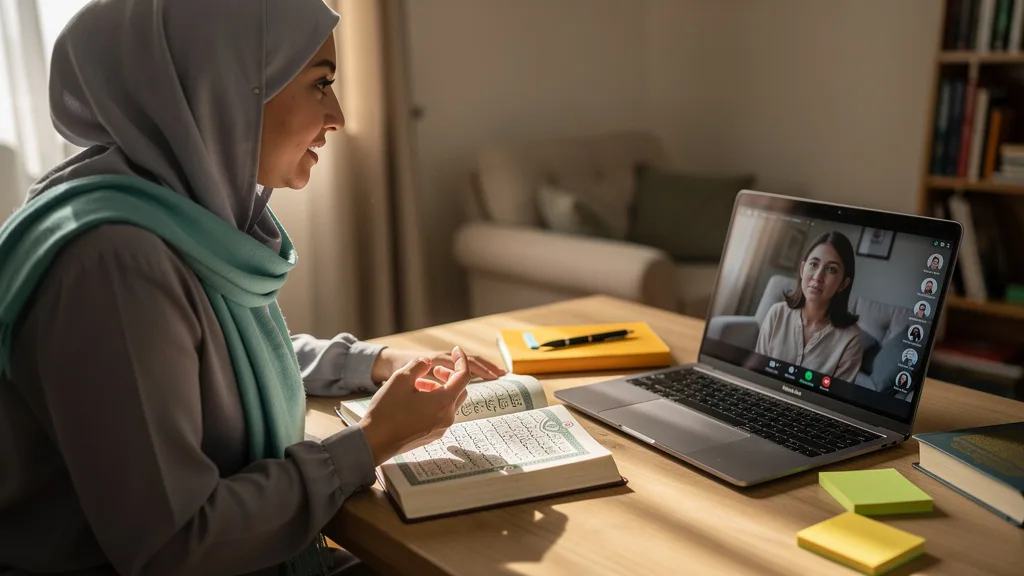
How can you truly master your inner self (nafs) and harness the profound power of dua in a way that feels personal, understood, and supported? For many sisters, the journey of spiritual self-development is deeply personal and requires a guide who can offer both wisdom and empathy. This is where the unique role of a female teacher becomes invaluable, transforming abstract concepts into lived practices.
A qualified female Quran teacher guides sisters in mastering nafs (self) control and the art of dua (supplication) by creating a comfortable, empathetic learning space. She uses Quranic examples, practical reflection exercises, and personalized guidance on the etiquette of making dua, helping you build a stronger, more resilient connection with Allah. This specialized approach ensures that you feel seen, heard, and empowered on your spiritual path.
Understanding Nafs and Dua in the Quranic Context
Before diving into the teaching methods, it's crucial to understand the two pillars of this journey: the nafs and dua. These concepts are central to the Muslim's relationship with Allah and with their own inner world. Mastering them is not just an academic exercise but a lifelong pursuit of spiritual purity and closeness to the Divine.
What Is the Nafs and Why Is Its Control Essential?
The nafs is an Arabic word often translated as the 'self', 'soul', or 'ego'. In the Quranic context, it represents our inner consciousness, with all its desires, inclinations, and impulses. Islamic scholars describe it as having different states, from the soul that commands evil (Nafs al-Ammara) to the soul that is at peace (Nafs al-Mutma'inna). The journey of a believer is to purify and discipline this self, elevating it to a state that is pleasing to Allah.
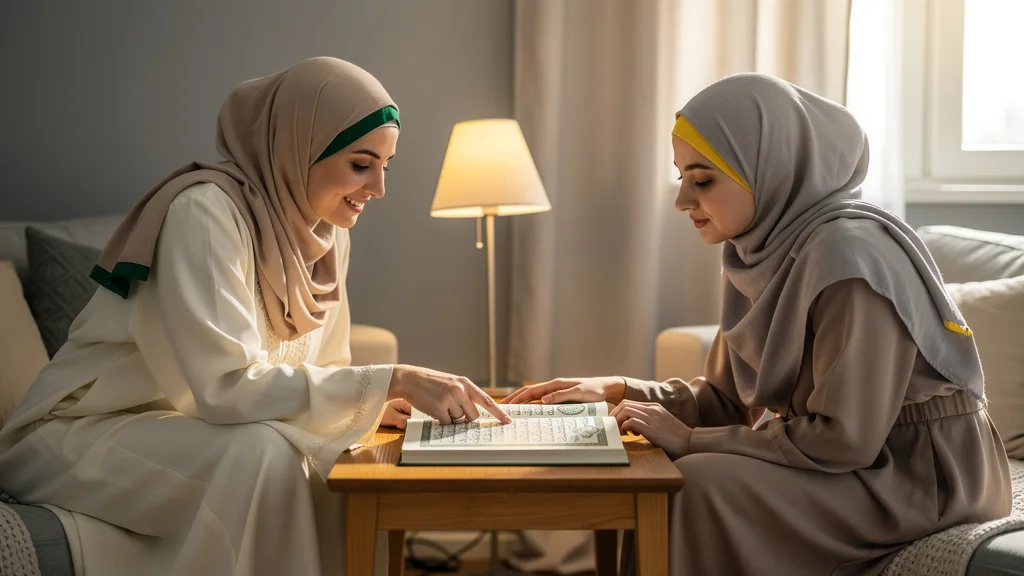
Controlling the nafs is a form of worship and one of the greatest personal struggles, often called the 'greater jihad'. It is essential because an untamed nafs can lead to sin, heedlessness, and distance from Allah. By learning to manage your desires, practice patience, and cultivate gratitude, you build spiritual resilience. This discipline is the foundation upon which a strong and meaningful life of faith is built, making your quran learning a transformative experience.
The Power and Purpose of Dua (Supplication)
Dua, or supplication, is the very essence of worship. It is your direct, personal line of communication with Allah, an intimate conversation where you can voice your hopes, fears, and gratitude. The Quran emphasizes its importance, with Allah telling us, "And your Lord says, 'Call upon Me; I will respond to you'" (Quran 40:60). This divine promise highlights the power and significance of turning to Him in all matters.
The purpose of dua extends far beyond simply asking for worldly needs. It is an act of humility, acknowledging our complete dependence on Allah's power and mercy. It strengthens your bond with your Creator, alleviates distress, and serves as a spiritual shield. A sincere dua can change what is destined and open doors you thought were sealed. Understanding how to make dua effectively is therefore a critical skill for every Muslimah seeking spiritual solace and strength.
The Unique Role of a Female Quran Teacher for Sisters
For sisters and young Muslimahs, the learning environment is just as important as the curriculum. A female teacher offers a unique blend of expertise, relatability, and comfort that can significantly enhance the learning experience, especially when dealing with personal spiritual topics like nafs control and dua.
Creating a Comfortable and Relatable Learning Environment
A female Quran teacher inherently fosters a safe, private, and judgment-free space. Many sisters feel more at ease discussing their spiritual struggles or asking questions without hesitation in the presence of another woman. This comfort level is crucial for honest self-reflection, which is the cornerstone of managing the nafs. The teacher becomes not just an instructor but a mentor and a confidante.
Relatability is another key factor. A female teacher can draw upon shared life experiences to make lessons more impactful. Whether discussing the challenges of balancing motherhood with worship or navigating social pressures as a Muslim woman, her guidance comes from a place of genuine understanding. This connection helps make the spiritual teachings in our Quran classes for sisters feel more applicable to your daily life, empowering you to implement them effectively.
Addressing Gender-Specific Spiritual Questions with Empathy
Certain aspects of Islamic practice are unique to women, such as matters related to menstruation, pregnancy, and family life. Sisters may have sensitive questions on these topics that they would be reluctant to ask a male teacher. A female tutor can address these queries with empathy, clarity, and discretion, providing fiqh-based answers in a compassionate manner.
This empathetic approach is vital for holistic spiritual development. When you feel understood, you are more likely to seek guidance and remain consistent in your learning. A teacher who can say, "I understand what you're going through," creates a powerful bond of trust. This supportive relationship is essential for navigating the complexities of faith and life as a woman, making your journey of sisters Quran learning both educational and emotionally fulfilling. You can learn more about why choosing a female teacher is often beneficial.
Core Strategies for Teaching Nafs Control in 2026
Teaching nafs control goes beyond theoretical lectures. An effective female Quran teacher employs a range of practical strategies that are rooted in Islamic tradition yet relevant to the challenges of modern life. These methods are designed to build self-awareness and spiritual discipline gradually.
Using Quranic Stories to Illustrate Self-Discipline
The Quran is filled with powerful stories of prophets and righteous individuals who demonstrated incredible self-discipline. A skilled teacher brings these stories to life, using them as case studies in nafs control. For instance, the story of Prophet Yusuf (AS) and his steadfastness in the face of immense temptation is a profound lesson in resisting desire and trusting in Allah's plan.
By analyzing these narratives, a teacher helps you extract actionable lessons. You learn about the nature of temptation, the rewards of patience (sabr), and the strength that comes from seeking refuge in Allah. This storytelling approach makes the abstract concept of self-discipline tangible and inspiring, showing you that it is an achievable goal with divine help. A knowledgeable Female Quran Teacher can make these ancient stories relevant to your contemporary life.
Practical Mindfulness and Reflection Techniques
Islamic tradition has long encouraged practices that are akin to modern mindfulness. A teacher can introduce you to concepts like *muraqabah* (watchful awareness of Allah) and *muhasabah* (daily self-accountability). These techniques encourage you to become a conscious observer of your thoughts, intentions, and actions throughout the day.
Practical exercises may include guided reflection, where your teacher prompts you to think about your responses to daily challenges. She might also suggest starting a spiritual journal to track moments of gratitude, instances where you successfully controlled your anger, or times you fell short and need to seek forgiveness. These practices, updated for 2026, help you move from a state of heedlessness (ghaflah) to one of mindful presence and intentional living.
Setting Spiritual Goals and Tracking Personal Progress
Controlling the nafs is a journey, not a destination. A good teacher acts as a spiritual coach, helping you set small, realistic, and measurable goals. Instead of a vague aim like "be a better Muslim," you might set a specific goal to control your tongue from backbiting for a day, then a week, or to incorporate five minutes of dhikr into your morning routine.
"Guidance in nafs control is not about rigid restriction; it's about channeling your soul's energy towards what pleases Allah. A great teacher helps you build a personal roadmap for this journey, celebrating small victories along the way."
Your teacher provides accountability and encouragement, checking in on your progress and helping you navigate setbacks. This structured approach makes the daunting task of self-purification feel manageable. By tracking your progress, you can see tangible growth, which boosts your motivation and reinforces your commitment to the path. online Quran classes for females.
How a Tutor Teaches the Art of Making Dua
Making dua is an art that can be refined and perfected with proper guidance. A qualified tutor does more than just teach you the words of supplications; she teaches you the heart of supplication, ensuring your duas are both beautiful in their form and sincere in their essence.
Mastering the Conditions and Etiquette of Supplication
For a dua to be most effective, it should be made with the proper etiquette (adab). A teacher will walk you through these conditions, which elevate your supplication from a simple request to a profound act of worship. This includes both the external actions and the internal state of the heart.

Key etiquette points often covered include:
- Starting with praise and glorification of Allah.
- Sending blessings (salawat) upon the Prophet Muhammad (PBUH).
- Facing the Qiblah and raising your hands in humility.
- Having *yaqeen* (unshakeable certainty) that Allah will respond.
- Maintaining a state of purity (wudu).
- Making dua with a present heart, free from distraction.
- Persisting in your dua and not growing impatient.
By mastering these elements, you ensure that you are approaching Allah in the most beloved manner, increasing the likelihood of your supplications being accepted.
Learning Prophetic Duas for Daily Life Challenges
The Prophet Muhammad (PBUH) taught us specific duas for nearly every situation imaginable. These prophetic supplications are comprehensive, eloquent, and divinely inspired. A qualified female quran tutor will help you memorize these duas and, more importantly, understand their meanings and the contexts in which they should be used.
Whether you are facing anxiety, seeking knowledge, expressing gratitude, or asking for protection, there is a prophetic dua for it. Learning these connects you to the tradition of the Prophet (PBUH) and equips you with powerful spiritual tools to navigate daily life. Your teacher can curate a list of relevant duas based on your personal needs and help you incorporate them into your routine.
Personalizing Your Duas for Your Unique Needs
While prophetic duas are powerful, Islam also encourages you to speak to Allah from your heart, in your own words. A great teacher helps you find this voice. She encourages you to move beyond rote memorization and cultivate a personal, conversational relationship with Allah through your supplications.
She might guide you on how to articulate your specific goals, confess your unique weaknesses, and express your personal gratitude. This process makes your relationship with Allah deeply intimate and real. A tutor can also help ensure your personal duas align with Islamic principles, teaching you to ask for what is good and beneficial in this life and the next. This personalized guidance, combined with proper recitation skills learned from a female Tajweed teacher online, makes your worship more meaningful.
Finding the Best Female Quran Teacher Online
The digital age has made it easier than ever to connect with qualified teachers from around the world. However, finding the right one requires careful consideration. Knowing what to look for can help you find the best female Quran teacher online for your spiritual journey.
Key Qualities to Look for in a Qualified Female Tutor
When searching for a tutor, especially for deep spiritual topics, you need someone with both knowledge and character. Look for a combination of qualifications and personal attributes that create a holistic and effective learning experience.
| Quality | Why It's Important | How to Assess |
|---|---|---|
| Quranic Knowledge (Ijazah/Sanad) | Ensures the teacher has an authentic and unbroken chain of transmission for her Quranic knowledge. | Ask for credentials or check her profile on the academy's website. |
| Tajweed Proficiency | Guarantees she can teach you to recite the Quran with correct pronunciation, as it was revealed. | Listen to her recitation during a trial class. |
| Teaching Experience | An experienced teacher knows how to adapt her methods to different learning styles and paces. | Inquire about her teaching history and experience with students at your level. |
| Patience and Empathy | Crucial for creating a supportive environment where you feel comfortable making mistakes and asking questions. | Observe her demeanor and communication style during the trial session. |
| Tech Savviness | Ensures smooth, uninterrupted online classes using tools like Zoom, WhatsApp, or Google Meet. | Confirm she is comfortable with the technology during the initial communication. |
How to Vet an Online Quran Academy
Choosing the right academy is as important as choosing the right teacher. A reputable online Quran academy provides structure, support, and quality assurance. When researching options, consider a checklist to ensure they meet your standards.
Look for a Female Quran Tutor through an academy that offers a free trial class, which allows you to experience their teaching style firsthand. Check for flexible scheduling, especially if you are in a different time zone like the USA, UK, or Australia. A clear curriculum, transparent pricing, and positive student testimonials are also strong indicators of a professional organization. Hidayah Quran Academy, for example, ensures all its teachers are vetted and provides a structured yet flexible learning path. When you are ready to hire a female Quran teacher online, a good academy simplifies the process.
Preparing for Your First Online Quran Class
Once you've chosen a teacher and academy, a little preparation can help you make the most of your first session. The goal is to create an environment conducive to learning and spiritual focus. Start by finding a quiet, private space where you won't be disturbed for the duration of the class.
Next, ensure your technology is ready. Test your internet connection, microphone, and camera beforehand. Have your materials on hand, such as a physical Quran (Mushaf), a notebook, and a pen for taking notes. Most importantly, approach the class with an open heart and a clear intention (niyyah) to learn for the sake of Allah. Remember, your teacher is there to guide you, so don't be afraid to share your goals and ask questions. You can read more about what to expect in your first Quran class to feel more at ease.
Key Takeaways
Embarking on a journey to understand and implement nafs control and dua is a profound step in one's faith. As we've explored, the guidance of a skilled teacher is instrumental in this process. Here are the key points to remember:
- Foundational Concepts: Controlling the nafs (the self) and mastering the art of dua (supplication) are essential pillars for spiritual growth and drawing closer to Allah.
- The Role of a Female Teacher: A how a female Quran teacher for sisters teaches dua nafs control is unique. She provides a comfortable, relatable, and empathetic environment where sisters can openly discuss personal and gender-specific spiritual matters.
- Effective Teaching Strategies: Successful instruction combines timeless Quranic wisdom, such as stories of the prophets, with practical techniques like mindfulness, self-accountability, and personalized goal-setting.
- Mastering Dua: Learning from a tutor involves understanding the etiquette of supplication, memorizing prophetic duas, and developing the confidence to have personal, heartfelt conversations with Allah.
- Finding the Right Guide: When searching for a teacher online, vet both the individual's qualifications (like an Ijazah) and the academy's professionalism (offering trials, clear curriculum).
Frequently Asked Questions
How much do Quran teachers typically get paid?
The compensation for Quran teachers varies widely based on several factors. These include their location, qualifications (such as holding an Ijazah), years of experience, and whether they work independently or for an academy. Rates can range from $5 to $30 per hour, with teachers in Western countries like the USA and UK often commanding higher rates than those in countries like Pakistan or Egypt. Online academies usually offer structured pricing plans that can be more affordable. For a detailed breakdown, you can explore the cost of an online female Quran teacher.
What are the different titles for a Quran teacher?
In Islamic tradition, Quran teachers are honored with various titles that reflect their qualifications and role. A female teacher is often called an 'Ustadha' (teacher or professor). If she has memorized the entire Quran, she is known as a 'Hafidha'. A 'Qaria' is a woman who is a master reciter of the Quran, known for her beautiful and correct Tajweed. Another common term is 'Mu'allima', which simply means 'teacher'. These titles signify respect and a level of scholarly achievement.
Who are some of the most revered women mentioned in the Quran?
The Quran highlights several women as exemplars of faith, piety, and strength. Maryam (Mary), the mother of Prophet Isa (Jesus), is the only woman mentioned by name and has an entire chapter dedicated to her. Asiya, the wife of Pharaoh, is revered for holding onto her faith despite being married to a tyrant. Khadijah, the first wife of the Prophet Muhammad (PBUH), is honored for her unwavering support and being the first person to believe in his message. The Prophet's daughter, Fatimah, is also held in high esteem as a role model for Muslim women.
Are online classes effective for learning spiritual concepts?
Yes, online classes can be highly effective for learning deep spiritual concepts like nafs control and the art of dua. With a qualified and engaging teacher, one-on-one video sessions create a focused and personalized learning environment that can be just as impactful as in-person lessons. The key advantages are flexibility, privacy, and access to expert teachers from anywhere in the world. A structured curriculum and a teacher who fosters a strong connection with the student are crucial for success.
What qualifications should a female Quran teacher possess?
A qualified female Quran teacher should possess a blend of academic credentials and personal attributes. Ideally, she should hold an 'Ijazah' (a license to teach), which certifies her chain of transmission back to the Prophet Muhammad (PBUH). Flawless Tajweed (rules of recitation) is non-negotiable. Beyond that, she should have a solid understanding of Tafsir (Quranic exegesis) and the Sunnah. Equally important are personal qualities like patience, empathy, excellent communication skills, and a passion for teaching.
Conclusion
Mastering the disciplines of nafs control and dua is a transformative journey that brings you closer to Allah and instills a deep sense of peace and purpose. As we have seen, the guidance of a compassionate and knowledgeable female Quran teacher is instrumental for sisters on this path. She creates a space of trust and understanding, making complex spiritual concepts accessible and applicable to your daily life.
The most effective teachers blend timeless Islamic wisdom, like the lessons from Quranic stories, with practical, modern strategies such as goal-setting and reflective practices. This holistic approach empowers you not only to recite the Quran beautifully but to live its teachings. By learning the art of sincere supplication and the methods of self-discipline, you build a resilient faith that can withstand life's challenges.
This journey of self-purification is deeply personal, and finding a guide who resonates with you is essential. Taking the first step might seem intimidating, but a structured learning environment removes the uncertainty and provides the support you need to grow with confidence. Your connection with the Quran is waiting to be deepened.
Ready to deepen your connection with the Quran in a supportive, private environment? Hidayah Quran Academy offers one-on-one classes with qualified female teachers for sisters and children. Experience the difference a dedicated guide can make. Start your journey today and connect with a teacher who understands your goals. Book Free Trial to begin.