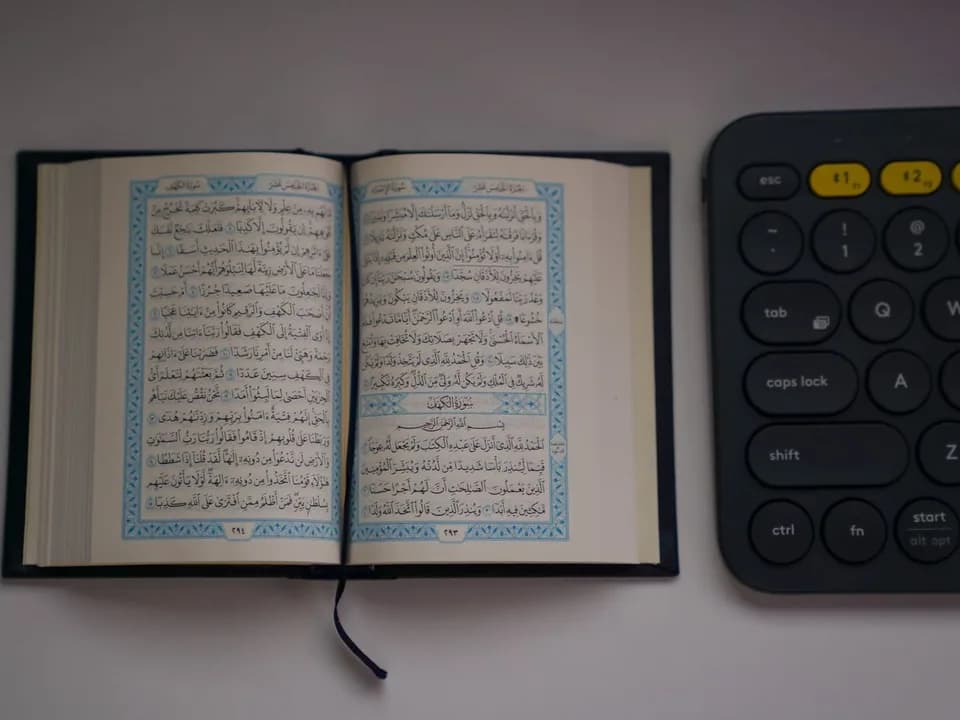
Quick answer: Hire a female Quran teacher online by confirming her gender assignment in writing, checking Ijazah or formal Tajweed training, matching experience to kids or adults, testing privacy and comfort on a free trial, and only paying after you hear live recitation correction. A good online female Quran teacher is patient, clear, and structured. She is not just “available on Zoom.”
Families and sisters usually search for a female Quran teacher for comfort, modesty, and trust. That preference is valid. The harder part is hiring well. This guide shows what a strong teacher actually does, which credentials matter, which privacy checks protect sisters, which red flags to walk away from, and how to choose the right fit for a daughter versus an adult beginner. For the wider “why female” angle, read why choose a female Quran teacher. For private class formats for sisters, see online Quran classes for females.
Updated August 2026
What a good female Quran teacher actually does
A good female Quran teacher listens, corrects makharij in real time, sets a clear weekly plan, and builds confidence without shaming mistakes.
She does more than play a recording or read along. In a strong 1-on-1 lesson she:
- Assesses the student’s real starting level in the first session (letters, Qaida, fluent reading, Tajweed repair, or Hifz).
- Corrects letter points of articulation as the student speaks, not only after the page ends.
- Explains rules in plain language (English and often Urdu) so the student can apply them at home.
- Gives short, realistic homework and checks it next class.
- Tracks progress so the student does not restart from zero every few weeks.
- Adjusts pace for children, shy adult beginners, reverts, and busy mothers.
What she should not do is rush pages for show, ignore wrong sounds, or treat the class as a sales call. Recitation quality and trust matter more than how many pages appear “done.”
If you want a broader tutor shortlist method (platforms, schedules, first-month plan), pair this hire guide with how to choose an online Quran teacher.
Qualifications to check (ijazah, Tajweed, experience with kids/adults)
Check three layers before you commit: Quranic authorization or formal study, Tajweed competence, and teaching experience that matches your learner.
1. Ijazah and formal Quran study
Ijazah is the traditional authorization that a teacher recited correctly before a qualified scholar and may teach that transmission. Not every sincere teacher holds a full Ijazah, but a serious hire still needs a clear study path: who taught her, where she trained, and whether she completed Hifz or advanced recitation study.
Ask directly: “Do you hold an Ijazah, or can you describe your Quranic education and teachers?”
A confident teacher answers calmly. Vague answers such as “I learned at home for many years” without any structure need more scrutiny.
2. Tajweed training
Tajweed is not “nice reading.” It is the rule set for correct Quranic pronunciation. A female Quran teacher online should correct Noon and Meem rules, madd, ghunnah, qalqalah, and makharij without guessing.
Ask: “How do you teach Tajweed to beginners?” and “Can you show me one correction you would make if I mispronounce this letter?”
Live correction in a trial class beats any claim on a profile page.
3. Experience with kids versus adults
Teaching a 5-year-old and teaching a 35-year-old beginner are different skills.
| Learner | What “experience” should look like | Lesson shape that usually works |
|---|---|---|
| Young children (about 4 to 10) | Short attention, playful repetition, parent updates | 20 to 30 minutes, frequent praise, visual letter work |
| Older children and teens | Consistency, gentle accountability, school-safe timing | 30 to 45 minutes, clear goals, revision cycles |
| Adult sisters / reverts | Dignity for late starters, privacy, zero shame | 45 to 60 minutes, rule explanations, realistic pace |
| Hifz track | Revision systems, not only new pages | Fixed new + muraja’ah plan each week |
A Hafiza who never taught children may still struggle with a restless 6-year-old. A kind kids teacher may still lack adult Tajweed depth. Match the teacher to the student, not only to the keyword “female.”
At Hidayah Quran, classes are taught by a qualified female teacher and Hafiza with formal Tajweed training and multi-year experience across children and adults in the UK, USA, Australia, and UAE. Use the free trial to verify fit for your household, not only the brochure.
For a wider commercial comparison of tutor quality signals, see best online Quran tutor.
Privacy and comfort checklist for sisters
Prioritize female-only teaching assignment, private 1-on-1 video, modest on-camera expectations, and the freedom to ask “basic” questions without embarrassment.
Use this checklist before the first paid month:
- Teacher gender confirmed in writing. “Female teachers available” is not the same as “your permanent teacher is female.” Ask who will teach every class.
- 1-on-1, not a mixed group room. Private lessons protect focus and hayaa.
- Parent or mahram can sit in for girls’ classes when the family wants supervision.
- Camera rules are respectful. Many sisters prefer head-and-shoulders framing, a quiet room, and no unexpected people joining the call.
- Platform choice. Zoom is strong for screen share and Tajweed pointing. WhatsApp video is simple for families who avoid new apps. Google Meet works for Google households.
- Recording policy stated. If classes are recorded, who stores them and for how long?
- Messaging boundaries. Progress notes on WhatsApp are useful. Personal chat outside lesson logistics should stay professional.
- Language comfort. English for Western households, Urdu support when it helps mothers and grandmothers understand rules.
- Schedule that fits real life. Early mornings, after school, evenings, and weekends matter more than “24/7” marketing claims.
- Free trial with no card demand. Comfort is felt in the first 20 to 30 minutes of live teaching.
Sisters often learn faster when they stop bracing for awkwardness and start focusing on the ayah. Comfort is not a luxury feature. It is part of effective Quran education. Explore sister-focused class options in online Quran classes for females.
Red flags when hiring online
Walk away if payment is forced before any live teaching, credentials stay vague, the “female teacher” is not the person on the call, or the trial feels like a sales script instead of a lesson.
Common warning signs:
- Pay first, trial never. Reputable teachers offer a free or low-risk trial class.
- Profile photos that do not match the teacher on the call. Ask for the same named teacher every week.
- “Ijazah” claims with zero detail and refusal to discuss training.
- No live correction. If the teacher only says “good, good” while clear makharij errors pass, quality is low.
- Pressure packages. “Buy 3 months today or lose this price” before you have heard one lesson is a sales tactic, not education.
- Unclear substitute policy. Some academies rotate teachers without notice.
- Poor audio habits. Quran online fails when the teacher cannot hear soft letters.
- Shaming language. Fear freezes recitation. Firm correction is good. Humiliation is not.
- No plan after assessment. “We will see” forever is not a curriculum.
- Mixed signals on gender. If a male teacher appears after you requested female-only, stop and reset expectations in writing.
Trust grows when the process is simple: trial, assessment, clear plan, then payment.
Questions to ask before the first class
Ask about qualifications, who teaches every session, age-group experience, platforms, timezone slots, homework, and what the first month looks like.
Copy and send these before booking:
- Are you a female teacher, and will you teach every class personally?
- What is your Quranic education (Ijazah, Hifz, Tajweed institute, teachers)?
- How many years have you taught online, and which ages do you teach best?
- Do you offer a free trial? How long is it, and is payment required first?
- Which platforms do you use (Zoom, WhatsApp, Google Meet)?
- What times can you offer in my timezone (UK, USA, Australia, UAE, or other)?
- How do you correct Tajweed mistakes during the lesson?
- What will the first 4 weeks include for my level (Qaida, Nazra, Tajweed repair, Hifz)?
- How do parents receive progress updates for children?
- What is your reschedule policy if school or work shifts?
These questions pair well with the longer selection framework in how to choose an online Quran teacher. You are not being difficult. You are protecting a sacred trust: your recitation of the Book of Allah, or your daughter’s.
Kids vs adult learners (different teacher fit)
Children need shorter sessions, high warmth, and parent partnership. Adults need dignity for late starts, clear rule explanations, and privacy.
If you are hiring for your daughter
Look for:
- Patience with repetition and short attention spans
- Games or visual letter methods for early Qaida
- Comfort speaking with mothers about behaviour and homework
- Willingness for a parent to sit nearby on camera
- Consistent weekly slot after school or on weekends
Avoid teachers who speak only to adults, rush long pages, or become frustrated when a child needs the same letter again.
If you are hiring for yourself (adult sister)
Look for:
- Experience with adult beginners and reverts
- Zero shame if you cannot read the Mushaf yet
- Clear explanations of why a rule exists, not only “repeat after me”
- Flexible timing around work, children, and household duties
- Private 1-on-1 so you can make mistakes safely
Many sisters delayed learning for years because of embarrassment. A skilled female Quran teacher online treats that delay with mercy and structure, not lectures.
Shared non-negotiables for both
Live correction, a written or verbal weekly plan, and a free trial before commitment apply to every age. The syllabus may start at Noorani Qaida for both a child and an adult if that is the true level. Starting honest is faster than starting proud.
How Hidayah matches you with a female teacher
Hidayah Quran matches families to a dedicated female teacher through a free 30-minute trial, level assessment, and a simple schedule that fits your timezone.
Here is the practical path:
- Message on WhatsApp with the student’s age, current level (letters, reading, Tajweed, Hifz), and city or timezone.
- Book a free 30-minute trial with no payment and no card details required.
- Meet your female teacher live on Zoom, WhatsApp, or Google Meet.
- Receive an honest level assessment and a recommended path (Qaida, Quran reading, Tajweed, Hifz support, or a mix).
- Choose weekly times that your household can keep.
- Start regular 1-on-1 lessons only if the fit feels right.
You are not assigned a random rotating pool for marketing screenshots. The goal is continuity: the same trusted female teacher, clear corrections, and steady progress. That is how online learning becomes as personal as a home tutor, without inviting a stranger into your house.
Ready to test the fit?
- Book a free trial on WhatsApp
- Or use the contact form
No payment. No commitment. Free 30-minute class.
FAQs
How do I hire a female Quran teacher online safely?
Confirm the teacher is female and permanent for your account, review qualifications, insist on a free live trial, and only pay after you experience real correction and comfort. Keep communication professional and prefer 1-on-1 lessons over mixed groups when privacy matters.
What qualifications should a female Quran teacher have?
Look for formal Quran study such as Ijazah or a clear teacher chain, Tajweed training, and proven experience with your learner type (children or adults). Hifz is a strong bonus for memorisation paths, but teaching skill still needs separate checking in a trial.
Is an online female Quran teacher suitable for my daughter?
Yes, when the teacher is experienced with children, keeps sessions short for young ages, allows a parent to sit in, and uses patient repetition. Online 1-on-1 often gives more personal attention than a crowded evening madrasa class.
Can adult sisters start from zero with a female teacher?
Yes. Adult beginners and reverts regularly start from Arabic letters and Noorani Qaida. A good female teacher normalises late starts, protects dignity, and builds a realistic weekly plan instead of comparing you to people who learned in childhood.
Should I pay before the first class?
Prefer teachers who offer a free trial without card details. Paying large packages before hearing a single live correction removes your chance to test gender assignment, patience, audio quality, and teaching skill.
How is Hidayah different from large online academies?
Hidayah focuses on private lessons with a qualified female teacher, a free 30-minute trial, flexible platforms, and timezone-friendly scheduling for families abroad. You assess comfort and level first, then decide. Start via WhatsApp trial booking or contact.
Next step
Hiring a female Quran teacher online becomes simple when you know what good teaching looks like, which credentials to verify, and which red flags end the conversation early. Use a free trial as your decision tool. Listen for live correction. Notice whether you or your daughter feel safe enough to make mistakes. Then commit to a weekly rhythm you can keep.
Book your free trial today: