
Learn Urdu for Kids: Online 1-on-1 Classes for Children Growing Up Abroad
Speaking, reading and good manners in Urdu, taught live by a native Urdu-speaking female teacher. So your child can talk to Nani and Dadi in their own language.
No WhatsApp?
Meet Your Teacher
Ustadha Fatima
Hafiza, female Quran teacher from Pakistan, teaching online since 2015.
In many families abroad, Urdu fades in a single generation. Parents speak it, children understand most of it and reply in English, and the grandchildren after them inherit only a handful of words. Nobody chooses this. It simply happens when school, friends and screens are all in another language.
Our Urdu classes for kids give your child a regular, friendly reason to use the language. Lessons are private and live, so a shy child is not performing in front of a class, and the teacher can keep the conversation at exactly the level your child can manage.
We start with speaking, because that is what brings a grandparent and a grandchild together fastest. Reading and writing follow when your child is ready. Urdu can be taken alone or added to a Quran course or to our Islamic homeschooling companion with the same teacher.
The 4-Stage Urdu Path
What Children Learn in Urdu Class
Why Families Choose Urdu Lessons
- Your child understands Urdu but always answers in English
- Grandparents and grandchildren struggle to talk to each other
- You speak Urdu at home but nobody has taught reading or writing
- A family trip to Pakistan or India is coming up
- Your child reads the Quran and is curious about Urdu letters
- You want Urdu kept alive without it feeling like a chore
Urdu and Quran Reading Share an Alphabet
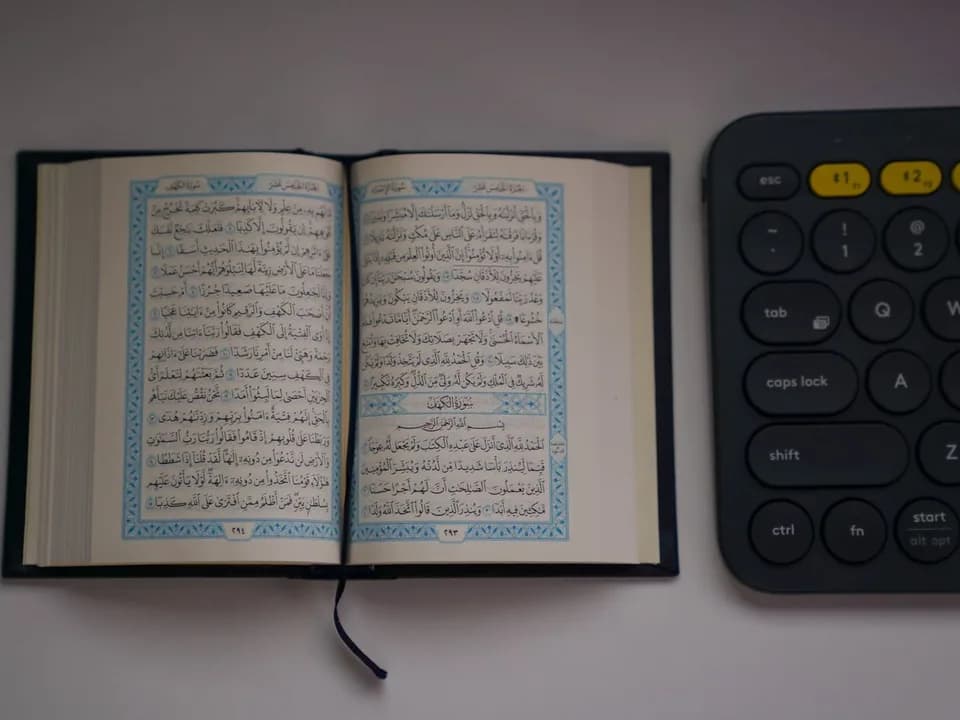
If your child has learnt the Arabic letters through the Noorani Qaida or our Arabic alphabet guide, most of the Urdu alphabet is already familiar. Urdu adds a small set of extra letters for sounds such as p, ch and g, and is usually written in the flowing Nastaliq style rather than the Naskh style used in most printed copies of the Quran.
The teacher uses that head start. Letters your child knows are revised quickly, and lesson time goes to what is new: the extra letters, reading without vowel marks and the everyday vocabulary that the Qaida never needed.
How Urdu Lessons Begin
- 1
Free trial lesson
Thirty relaxed minutes. The teacher chats with your child to hear how much Urdu is already there.
- 2
A plan that fits
Speaking only, or speaking with reading and writing. You choose the days that suit your time zone.
- 3
Practice in real life
Each week ends with a small mission: a phrase for the dinner table or a question to ask a grandparent.
Urdu for Kids Questions
Give Your Child the Language of Their Grandparents
Book a free 30-minute Urdu trial and see how quickly a few friendly words turn into a conversation.
Free 30-minute trial. No payment and no card needed.