
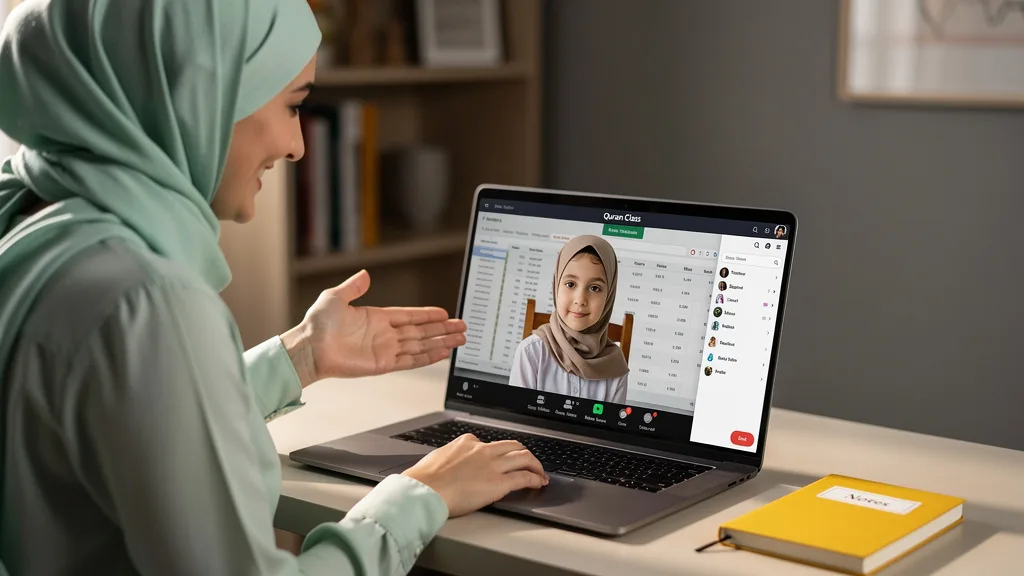
When starting your journey to learn the Quran, one of the first and most important questions you'll face is whether to choose a male or female teacher. The answer isn't about one gender being inherently better, but about finding the right fit for the student's specific needs, comfort level, and learning style. The choice between a female Quran teacher vs male teacher can significantly impact the learning experience, especially for sisters, young children, and new Muslims.
Ultimately, the best teacher is one who is qualified, patient, and creates a positive learning environment. For many female students and young children, a female teacher provides a greater sense of comfort and relatability. For male students, a male teacher can serve as a strong role model. This guide will help you understand the unique strengths of both to make an informed decision for your family in 2026.
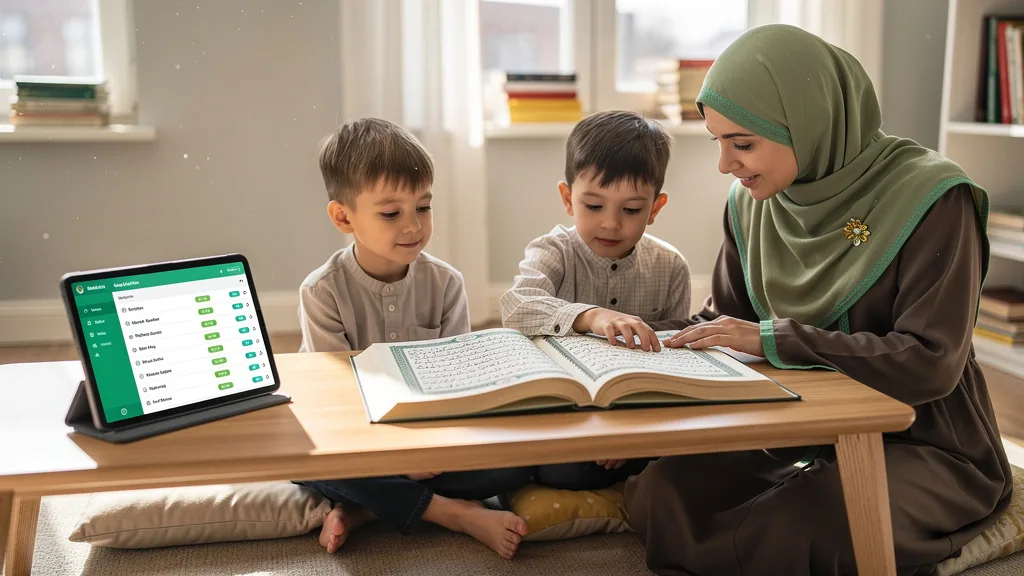
A female Quran teacher often brings a nurturing and empathetic approach to her lessons, which can be incredibly beneficial for certain students. This teaching style is particularly effective for young children who may be shy or intimidated in a formal learning setting. A female teacher's patience and gentle encouragement can help build a child's confidence and foster a genuine love for learning the Quran from an early age.
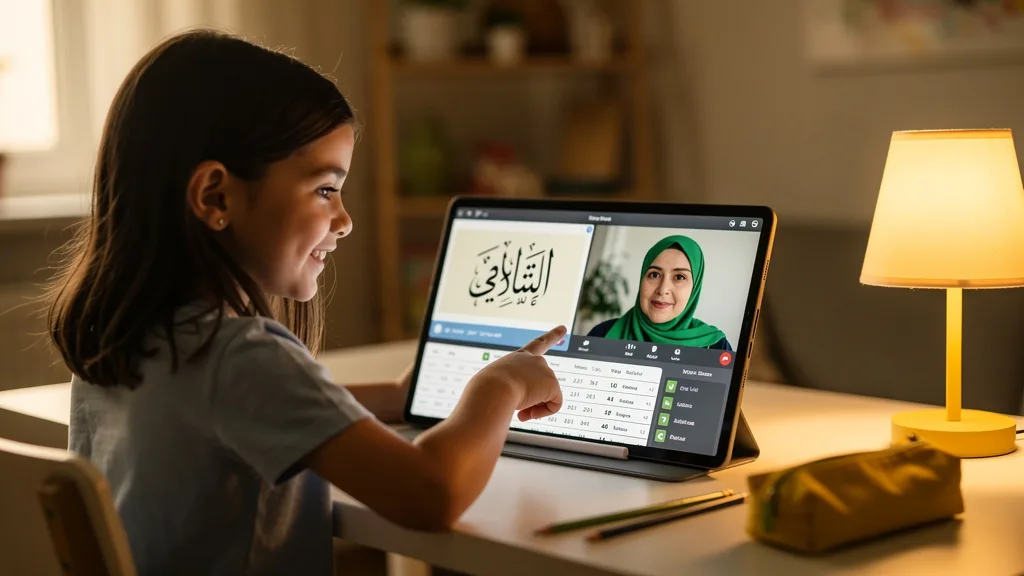
For adult women and sisters, learning from a female teacher can eliminate potential feelings of awkwardness or concern about modesty (hijab). This creates a safe and private space where students feel comfortable asking questions, practicing their recitation aloud, and correcting their mistakes without hesitation. Many women find it easier to connect with a teacher who may share similar life experiences, making the educational journey more relatable and supportive. This is a key reason many families actively seek out why to choose a female Quran teacher for their daughters and themselves.
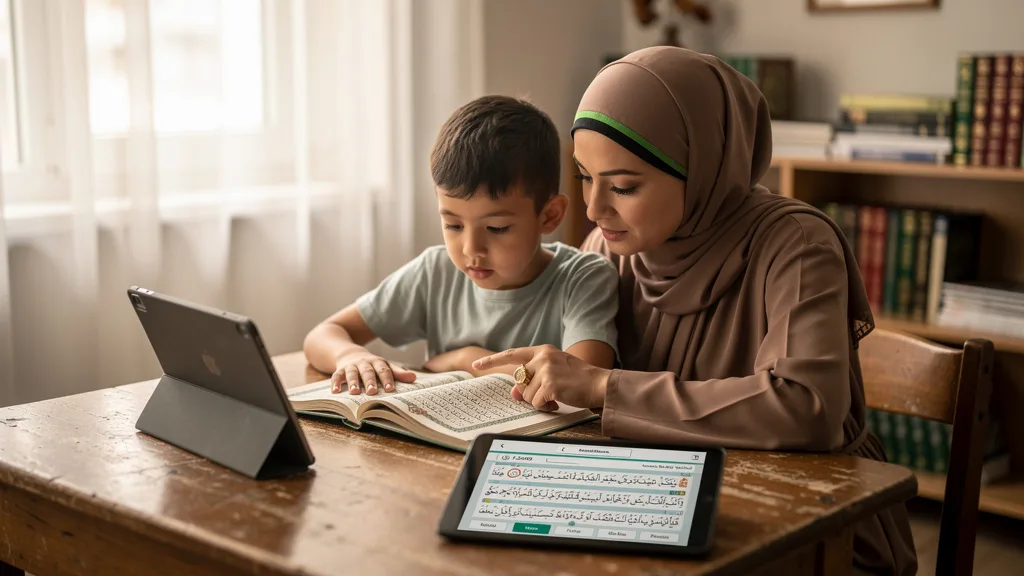
Strengths and Teaching Styles of a Male Quran Teacher
Male Quran teachers traditionally hold a position of authority and structure in many educational settings, which can be a significant strength. Their teaching style is often characterized by discipline and a focus on the technical aspects of Tajweed and recitation, which can be very effective for students who thrive in a more formal and structured environment. For young boys and adult men, a male teacher can serve as a strong spiritual role model, embodying the characteristics of a knowledgeable and devout Muslim man.

This dynamic can be particularly inspiring for male students who are looking to deepen their connection with their faith and develop a disciplined practice of Quranic study. The directness and formality of some male teachers can push students to achieve a high level of precision in their memorization (Hifz) and recitation. For families where the father is managing his son's education, coordinating with a male teacher might also feel more straightforward.
Female vs Male Quran Teacher: A Direct Comparison
Choosing between Quran teachers involves weighing several factors that extend beyond their knowledge of the subject. The student's age, gender, and personal comfort are paramount. While both male and female teachers can be exceptionally qualified, their teaching styles and the environment they create can differ, impacting the student's progress and motivation. A direct comparison can help clarify which option might be better suited for you or your child's learning journey.
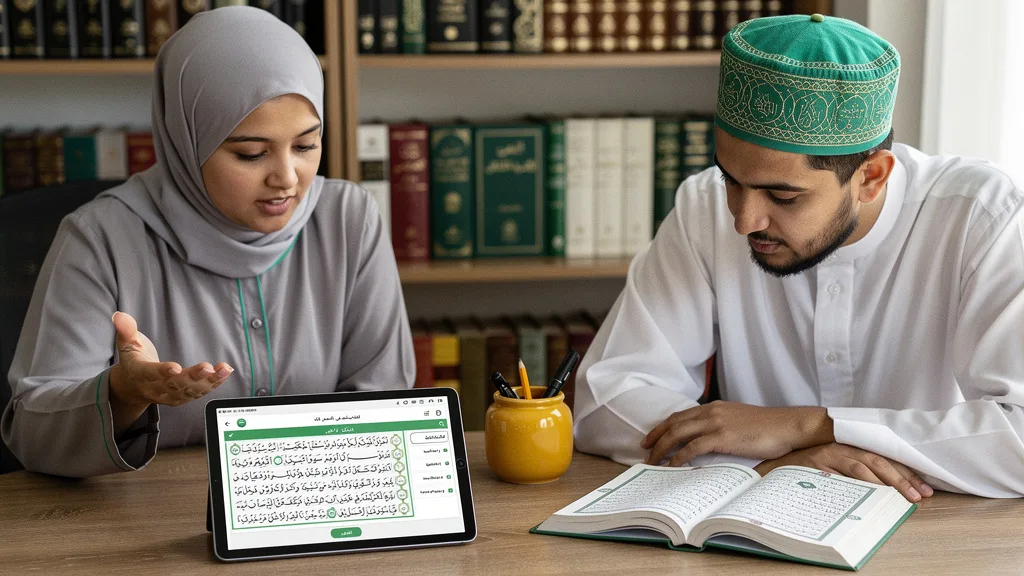
"The most important factor in choosing a Quran teacher is their piety (Taqwa) and knowledge, but comfort and suitability for the student cannot be overlooked. For sisters and young children, a female Quran teacher often provides the ideal environment for growth and confidence, which is why we focus on providing this option for families worldwide." - Hidayah Quran Academy
To help you visualize the differences, the table below outlines common attributes associated with female and male teachers. Use this as a guide to reflect on what is most important for the student. This is not a rigid set of rules, as individual personalities vary greatly, but it reflects general tendencies that many students and parents consider when making a decision.
| Feature | Female Quran Teacher | Male Quran Teacher |
|---|---|---|
| Comfort for Female Students | High; provides a private and relatable environment. | Lower for many, may involve concerns about modesty. |
| Comfort for Young Children | High; often seen as more nurturing and patient. | Variable; can be seen as more authoritative. |
| Teaching Style | Often empathetic, flexible, and relationship-focused. | Often structured, formal, and discipline-focused. |
| Role Model For | Daughters, sisters, and young girls. | Sons, brothers, and young boys. |
| Suitability for Beginners | Excellent, especially for those who are shy or nervous. | Good, particularly for those who prefer structure. |
| Communication with Parents | Mothers often find communication easy and relatable. | Fathers may find communication direct and straightforward. |
Matching the Teacher to the Student's Needs
The decision of a Quran teacher vs male counterpart is not a one-size-fits-all answer. The optimal choice depends entirely on the individual student. By carefully considering the student's personality, age, gender, and learning goals, you can create a positive and effective educational experience that fosters a lifelong connection with the Quran.
For Young Children and Daughters
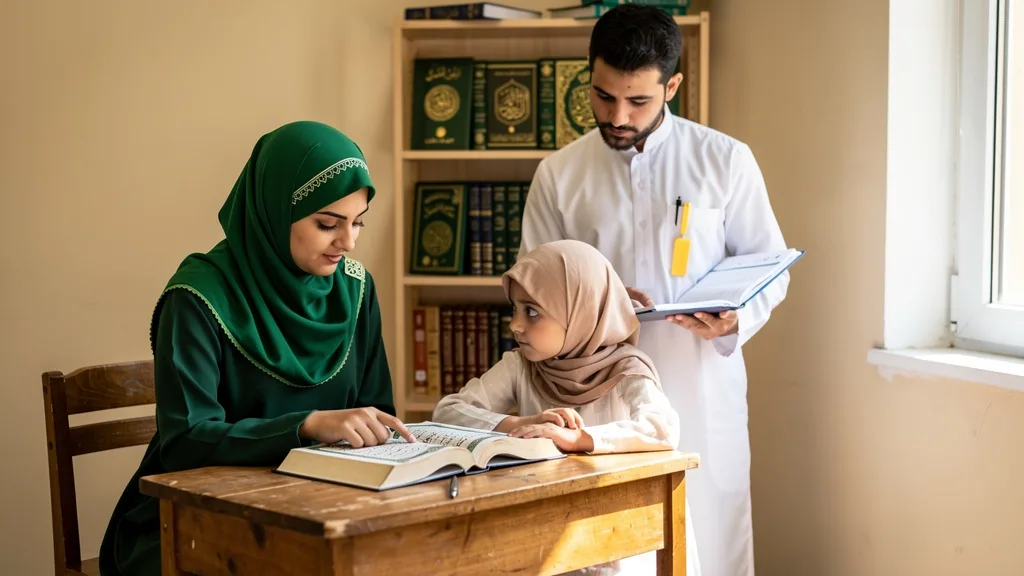
For young children, especially girls, a female teacher is often the preferred choice. Their typically nurturing and patient approach helps create a warm and encouraging atmosphere where a child feels safe to learn and make mistakes. Children are more likely to open up, ask questions, and stay engaged with a teacher who feels like a caring guide.
This positive early experience is crucial for building a strong foundation and a lasting love for the Quran. A female teacher can also serve as a positive Islamic role model for young girls, demonstrating the beauty of being a knowledgeable and practicing Muslimah. This connection goes beyond academics and helps shape their character and identity.
For Adult Women and Sisters
For many adult women and sisters, privacy and comfort are non-negotiable when it comes to Islamic education. Learning with a female teacher removes any potential barriers related to modesty or interacting with a non-mahram male. This allows students to fully focus on their studies without any underlying discomfort or distraction.
Furthermore, an adult woman may find it easier to discuss personal challenges or schedule adjustments with another woman. This shared understanding fosters a stronger student-teacher relationship built on trust and mutual respect. Whether you are a beginner starting with Noorani Qaida or an advanced student, dedicated online Quran classes for females provide a tailored and supportive environment to meet your specific goals.
For Young Boys and Adult Men
While female teachers can certainly teach boys, especially at a young age, many families prefer a male teacher for their sons as they get older. A male teacher can serve as a strong, positive Islamic role model, demonstrating discipline, respect, and devotion in his practice. This can be highly influential for a young boy's development.
For adult men, learning from a male teacher is often the most straightforward and comfortable option. It aligns with traditional norms of interaction and allows for a direct, focused learning experience. A male teacher can provide the structure and authority that many adult male learners appreciate as they work towards mastering complex subjects like advanced Tajweed or Hifz.
Islamic Perspective on Teacher Gender and Education
Islam places immense emphasis on seeking knowledge for both men and women. The Prophet Muhammad (peace be upon him) said, "Seeking knowledge is an obligation upon every Muslim." This directive does not distinguish between genders, highlighting that education is a universal right and duty. The Quran and Sunnah are filled with examples of learned women, starting with Aisha (may Allah be pleased with her), who was one of the greatest scholars in Islamic history.
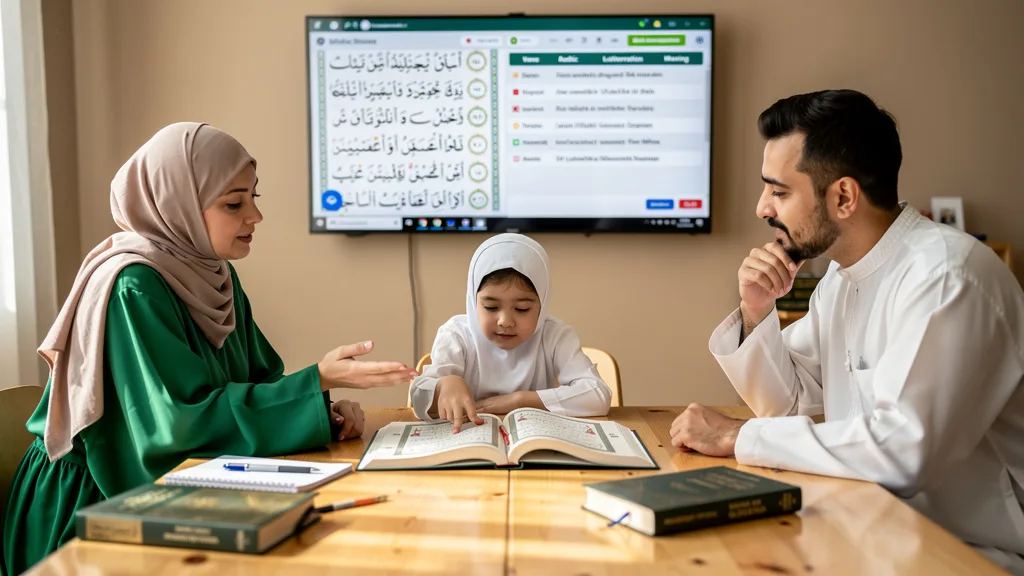
While the pursuit of knowledge is paramount, Islam also provides guidelines for interaction between non-mahram men and women to uphold modesty and piety. For this reason, many scholars and families prefer gender-segregated learning environments when possible. Choosing the right quran tutor who facilitates a comfortable and modest setting is seen as upholding these important Islamic principles while still fulfilling the obligation to learn.
Therefore, opting for a female teacher for female students or a male teacher for male students is not merely a cultural preference but is often a choice rooted in a desire to adhere to Islamic etiquette. This ensures that the learning environment is free from potential distractions and is conducive to spiritual growth for both the teacher and the student.
How to Choose the Right Quran Teacher for Your Learning Goals
Once you have considered the gender preference, the next step is to find a high-quality teacher who aligns with your specific educational objectives. A great teacher does more than just impart knowledge; they inspire, motivate, and guide you on your spiritual path. Taking the time to properly vet a teacher is one of the most important investments you can make in your or your child's Islamic education.

Assess Your Comfort Level and Preferences
Your comfort is crucial for effective learning. Before you begin your search, reflect on what kind of learning environment you or your child will thrive in. Do you prefer a nurturing and flexible style, or a more structured and formal one? For sisters, will you feel more at ease asking detailed questions about recitation to a female teacher?
Answering these questions honestly will help you narrow down your search significantly. Your intuition about a teacher's personality during an initial conversation or trial lesson is often a good indicator of whether the student-teacher relationship will be a positive one. Don't underestimate the importance of this connection.
Consider Your Specific Learning Objectives
Different teachers may have different areas of expertise. Are you a complete beginner who needs to start with the Noorani Qaida? Or are you looking to perfect your recitation with an expert in Tajweed? Perhaps your goal is to embark on the journey of Hifz (memorization). Be clear about your goals from the outset.
When inquiring with a potential teacher or academy, ask about their experience in teaching your specific area of interest. For example, if you need help with pronunciation and flow, seeking a dedicated female Tajweed teacher online will ensure you get specialized instruction. A good teacher will be able to tailor their curriculum to help you meet your personal learning goals.
Inquire About Trial Lessons
One of the best ways to determine if a teacher is the right fit is through a trial lesson. This allows you to experience their teaching style, assess their knowledge, and see how they interact with the student before making a commitment. It's a risk-free opportunity to gauge compatibility and ensure the teacher meets your expectations.
Most reputable online Quran academies, including Hidayah Quran Academy, offer a free trial lesson. Take full advantage of this offer. During the trial, pay attention to the teacher's communication skills, their patience, and their ability to explain concepts clearly. This firsthand experience is invaluable in making your final decision.
Key Takeaways
Deciding between a female and male Quran teacher is a personal choice that depends on the student's needs. Here are the key points to remember:
- No Gender is Superior: The best teacher is qualified, pious, and compatible with the student. Both male and female teachers can be excellent educators.
- Comfort is Key: Female teachers often provide a more comfortable and private learning environment for sisters and a more nurturing one for young children.
- Role Models Matter: Male teachers can serve as strong Islamic role models for boys and men, while female teachers can inspire girls and women.
- Align with Goals: Match the teacher's expertise with the student's specific learning objectives, whether it's Tajweed, Hifz, or basic reading.
- Use Trial Lessons: Always take advantage of trial lessons to assess teaching style, communication, and overall compatibility before committing.
Frequently Asked Questions
How much does a Quran teacher typically cost in 2026?
The cost of a Quran teacher in 2026 varies based on location, the teacher's qualifications, and the number of classes per week. Online teachers based in countries like Pakistan or Egypt often offer more affordable rates, typically ranging from $5 to $15 USD per hour for one-on-one sessions. Teachers based in Western countries may charge significantly more. Many academies offer monthly packages that can reduce the hourly cost.
Is it permissible for a female student to learn Quran from a male teacher?
Yes, it is generally permissible for a female to learn from a male teacher, provided that Islamic principles of interaction and modesty are observed. This is especially true in a group setting or online where there is no private seclusion (khalwa). However, for one-on-one instruction, many scholars and families prefer a female teacher for a female student to ensure maximum comfort and to avoid any potential for impropriety.
What qualifications are essential for any good Quran teacher?
A good Quran teacher, regardless of gender, should be proficient in Tajweed and have a strong command of Quranic recitation. Ideally, they should have an Ijazah (a license to teach) from a recognized scholar or institution, which certifies their chain of transmission back to the Prophet Muhammad (peace be upon him). Beyond qualifications, they must be patient, punctual, and possess excellent communication skills to effectively transfer their knowledge.
Are online Quran classes effective for children?
Yes, online Quran classes can be highly effective for children, offering convenience and access to qualified teachers from around the world. The one-on-one format allows for personalized attention that may not be possible in a large classroom. The effectiveness often depends on the teacher's ability to engage the child and the parents' support in creating a structured learning routine. Many find that the choice between online Quran classes vs local mosque learning comes down to the quality of the individual teacher.
Does the gender of the teacher affect learning Tajweed rules?
The gender of the teacher does not affect the technical rules of Tajweed itself, as the science is the same for everyone. However, the student's comfort level can affect their ability to learn. A female student may feel more comfortable practicing the precise mouth and tongue positions for different letters with a female teacher, leading to better and faster learning. Ultimately, the teacher's expertise in Tajweed is more important than their gender.
Conclusion
The debate of a female Quran teacher vs male is not about finding a universally superior option, but about making a thoughtful choice for an individual student. The best learning environment is one where the student feels comfortable, respected, and inspired. For many sisters, mothers, and young daughters, the privacy, empathy, and relatability offered by a qualified female teacher create the ideal conditions for spiritual and educational growth.
Your primary goal should be to find a teacher who is not only knowledgeable but also possesses the right temperament and teaching style for you or your child. Consider your learning objectives, assess your comfort level, and never hesitate to use trial lessons to ensure a good fit. By prioritizing these factors, you can embark on a fruitful and rewarding journey with the Holy Quran.
Ready to find a supportive and qualified teacher for yourself or your child? Hidayah Quran Academy offers private one-on-one classes with experienced female teachers for sisters and children. Experience the difference a dedicated teacher can make in a comfortable and private online setting. Book Free Trial to start your learning journey with us today.