

With the global rise of designer art toys, many Muslims are asking an important question: are Labubu dolls from Pop Mart halal or haram? The answer is not a simple yes or no, but depends heavily on Islamic principles regarding imagery, the owner's intention, the form of the doll, and its use.
The Islamic ruling on collecting figures like Labubu is nuanced. Generally, three-dimensional representations of animate beings are discouraged to avoid any semblance of idolatry. However, factors such as the toy's non-realistic form, its use for children's play versus adult display, and the intention behind collecting it all play a crucial role in determining whether it is permissible (halal), disliked (makruh), or forbidden (haram).
Core Islamic Principles on Imagery and Figurines
The foundation of the Islamic perspective on images and figurines comes from the core principle of Tawhid, the absolute oneness of Allah. To safeguard this, Islam has strict guidelines against *taswir*, which refers to the creation of images or sculptures of animate beings. This prohibition is rooted in numerous hadiths where the Prophet Muhammad (peace be upon him) warned against image-making, linking it to the practices of idol worship and challenging the creative ability of Allah.

The primary concern is to prevent *shirk*, the unforgivable sin of associating partners with Allah. Historically, communities deviated by first creating images of pious people to remember them, which later generations began to venerate and worship. Therefore, three-dimensional, complete statues of humans or animals are widely considered haram (forbidden) by a consensus of scholars, as they most closely resemble idols. Two-dimensional images like photographs and drawings have more varied opinions, but the creation of 3D figures remains the most contentious area.
Analyzing Labubu Dolls Through an Islamic Lens
When we apply these core principles to Labubu dolls, we must move beyond a blanket ruling and analyze the specifics of the object itself. These popular art toys from Pop Mart are not realistic depictions of humans or animals. They are fantasy creatures with exaggerated features. This distinction is important, as some scholars are more lenient with figures that are clearly imaginary or incomplete, as they are less likely to be mistaken for real beings or venerated as idols.

The analysis requires a multi-faceted approach, considering not just what the doll looks like, but why a person owns it and how they use it. Islamic jurisprudence, or *fiqh*, is a practical discipline that always examines intention and context. Therefore, a Muslim's personal relationship with the object is as important as the object's physical characteristics in determining its status.
The Role of Intention: Collection vs Veneration
In Islam, intention (*niyyah*) is paramount. An action's spiritual and legal weight is determined by the intention behind it. If a person acquires a Labubu doll with any intention of veneration, seeking blessings from it, or treating it as a sacred object, the act is unequivocally haram. This is a direct path to shirk and is completely forbidden.
However, the vast majority of collectors purchase these items as a hobby, for their aesthetic appeal, or as part of a set. The intention is appreciation of art and design, not worship. In this case, while the act of acquiring a figurine is still debated, it is not in the same category as idolatry. The intention shifts the discussion from outright shirk to whether it is an appropriate and permissible hobby for a Muslim. This is where understanding concepts like Tawakkul and the law of detachment in Islam can be beneficial, ensuring collectibles do not occupy one's heart.
Examining the Form and Design Characteristics
Labubu dolls are stylized figures with rabbit-like ears, monster-like teeth, and a distinct artistic design. They do not represent a specific, living creature in the real world. Some Islamic scholars argue that the prohibition on imagery is strongest for realistic depictions of beings with souls (humans and animals). Figures that are abstract, fantastical, or incomplete may not fall under the same strict ruling.
Because Labubu is a fantasy character, it can be argued that it does not attempt to "mimic the creation of Allah" in the same way a realistic statue of a horse or a person does. This distinction is a key point for those who find permissibility in collecting such items. The more abstract and less life-like the figure, the weaker the argument for it being impermissible becomes for some jurists.
Context of Use: Play, Display, and Financial Investment
How a Labubu doll is used also affects its ruling. There is a strong scholarly consensus that dolls for children, especially girls, are permissible. This is based on the hadith of Aisha (may Allah be pleased with her), who had dolls that she played with in the presence of the Prophet (peace be upon him). These are seen as tools for education, imagination, and development.
For adults, the context shifts. If the doll is displayed prominently in a home, it may be considered makruh (disliked), as angels of mercy are said not to enter a house containing such images. If the dolls are kept in a box or a closed cabinet, some scholars find it less problematic. Using them as a financial investment, buying and selling for profit, introduces other questions related to Islamic finance and whether one is trading in a disliked or forbidden item. Some discussions have even raised concerns about a potential Labubu Dajjal connection in online forums, though this is speculative and not based on scholarly sources.
Is There a Specific Fatwa on Labubu Dolls?
As of 2026, there is no specific, globally recognized fatwa from a major Islamic institution that names Labubu dolls or Pop Mart toys directly. The phenomenon of designer art toys as adult collectibles is relatively new, and Islamic jurisprudence often takes time to address such specific contemporary issues. Rulings are typically derived by applying established principles to new situations.
Therefore, Muslims seeking guidance must rely on general fatwas regarding dolls, figurines, and image-making. You will find a spectrum of opinions because scholars weigh the principles differently. Lacking a direct fatwa, the responsibility falls on the individual to research the principles, understand the different scholarly viewpoints, and make an informed decision based on their conscience and the school of thought they follow.
What Prominent Scholars Say About Collecting Art Toys
Scholarly opinions on collecting art toys and figurines generally fall into three categories. The strictest view maintains that any three-dimensional, animate figure is haram, regardless of its purpose, based on the literal interpretation of the hadiths against image-making. These scholars do not differentiate between toys for children and collectibles for adults, viewing both as impermissible.

A more moderate and common view differentiates between children's toys and other figures. This group of scholars permits dolls for children's play but considers it makruh (disliked) or haram for adults to collect and display them. They argue the concession for children is specific to their developmental needs. The third, more lenient view, permits the collection of figures that are not realistic, not intended for veneration, and do not promote un-Islamic themes. Proponents of this view argue that the original prohibition was tied directly to the risk of shirk, and with non-realistic toys in a monotheistic society, that risk is negligible.
"The permissibility of character figures and art toys in Islam hinges on their dissociation from veneration and realism. If a toy is clearly for play or aesthetic appreciation, is not a realistic depiction of a living being, and does not promote forbidden themes, many contemporary scholars view it as falling outside the strict prohibition meant to prevent idolatry."
Are There Different Rulings for Children vs Adults?
Yes, the distinction between children and adults is one of the most significant factors in the Islamic legal discussion on dolls. The primary evidence for the permissibility of dolls for children is the well-known hadith where Aisha (RA) was playing with her dolls (*banat*, or 'girls') and the Prophet (peace be upon him) smiled and did not forbid her. Scholars derive from this that dolls intended for play, which help develop a child's imagination and nurturing skills, are exempt from the general prohibition.
For adults, the justification of 'play' is no longer present. The purpose becomes collection, display, or hobby. Here, the ruling becomes stricter. Many scholars argue that the concession granted to children does not extend to adults. Displaying figures can be seen as a form of honoring them, and spending significant money on them can be viewed as extravagance (*israf*). Therefore, while a child playing with a Labubu doll is likely permissible, an adult purchasing the same doll for a display case is in a much greyer area, often considered makruh at best.
Pop Mart vs Funko Pop vs Lego: An Islamic Comparison
When trying to understand the ruling, it can be helpful to compare different types of popular figures. Labubu (by Pop Mart), Funko Pops, and Lego Minifigures each have distinct characteristics that can be analyzed from an Islamic perspective. Their level of abstraction and primary purpose vary, which influences the scholarly view on their permissibility.
| Toy Type | Form & Realism | Primary Use | General Islamic Viewpoint |
|---|---|---|---|
| Pop Mart (e.g., Labubu) | Stylized, fantasy creatures. Not realistic depictions of humans or animals. | Primarily adult collection and display; some play. | Considered makruh (disliked) by many due to being complete 3D figures for adult collection. Permissibility depends heavily on intention. |
| Funko Pop | Highly stylized human/animal characters with disproportionate heads. Not realistic. | Almost exclusively adult collection and display. | Similar to Pop Mart; often ruled as makruh. The fact they represent specific media characters can add another layer if the character promotes haram themes. |
| Lego Minifigures | Highly abstract and modular. Not a single, complete sculpture. Can be disassembled. | Primarily for children's play and construction. Adult collection is secondary. | Widely considered permissible (halal), especially for children. Their abstract, separable nature and focus on play makes them distinct from statues. |
Halal Alternatives for Muslim Art Toy Collectors
For Muslims who enjoy the hobby of collecting but want to avoid the legal ambiguity of animate figures, there are many wonderful and fulfilling alternatives that are unequivocally halal. These hobbies allow for an appreciation of art, design, and craftsmanship without entering a grey area of Islamic law. Focusing on these can bring peace of mind and spiritual contentment.
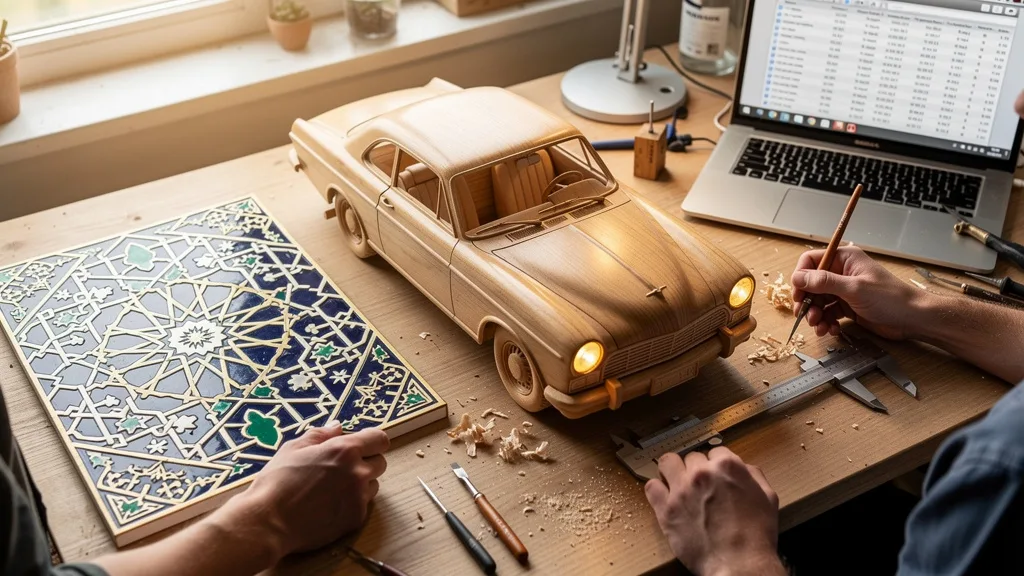
- Models of Inanimate Objects: Collect high-quality models of cars, airplanes, ships, or famous architectural landmarks like the Kaaba or the Blue Mosque.
- Lego Architecture & Vehicle Sets: Lego offers numerous complex sets for adults that focus on building and design, which is a permissible and creative outlet.
- Islamic Calligraphy and Art: Collect prints or original pieces of beautiful Islamic calligraphy or geometric art. This is a spiritually uplifting hobby that beautifies the home.
- Miniature Scenery (Dioramas): Create or collect detailed dioramas of landscapes, cityscapes, or historical settings that do not feature animate figures.
- Abstract Sculptures: Collect abstract art pieces and sculptures that do not depict any living being.
Key Takeaways
Navigating the question of Is Labubu Haram or Halal in Islam: Arabic Ruling Explained requires understanding several key Islamic principles. The final decision rests on personal conviction after careful study. Here are the most important points to remember:
- Intention is Critical: The reason for owning the doll (veneration vs. hobby) is the most important factor. Any form of worship or reverence is strictly haram.
- Children vs. Adults: There is a clear concession for children's toys intended for play, based on the example of Aisha (RA). This concession generally does not extend to adult collectors.
- Form Matters: Non-realistic, fantastical, or abstract figures like Labubu are viewed more leniently by some scholars than realistic statues.
- No Specific Fatwa: As of 2026, there is no direct fatwa on Labubu. Rulings are based on general principles of image-making.
- A Spectrum of Opinion: Scholarly views range from strictly haram to makruh (disliked) to permissible under specific conditions.
- Halal Alternatives Exist: There are many permissible and fulfilling collecting hobbies for Muslims that avoid these ambiguous areas.
Frequently Asked Questions
What is the 2026 consensus on anime and character figures in Islamic law?
In 2026, there is still no single consensus, but a growing number of contemporary scholars are leaning towards permissibility with conditions. The majority opinion distinguishes between the content and the form. If the anime or character promotes themes contrary to Islam (e.g., shirk, inappropriate relationships, magic), then consuming or celebrating it through figures is problematic.
However, if the content is neutral or promotes good values, the focus shifts to the figure itself. Like other art toys, if they are not worshiped and are not hyper-realistic, many scholars permit their ownership, especially for children. The discussion remains active, with a clear trend towards nuanced, case-by-case analysis rather than a blanket prohibition.
Is it haram to sell Labubu dolls if you own them?
The ruling on selling an item is directly tied to the ruling on owning it. The Islamic principle states that if something is haram to possess or use, it is also haram to trade. Therefore, if you conclude after your research that owning Labubu dolls is haram, then you should not sell them for a profit. This would be considered earning money from a forbidden source.
If you determine they are makruh (disliked), selling them would also be considered makruh. In such a case, the most scrupulous path would be to dispose of them without seeking financial gain. If you believe they are permissible (halal), then selling them is also permissible. This highlights why understanding the initial ruling is so critical. For guidance on permissible income, you can read about topics like what constitutes haram jobs in Islam.
Are blind box toys like Pop Mart permissible in Islam?
Blind box toys introduce the element of *gharar* (excessive uncertainty), which is prohibited in Islamic financial transactions. Some scholars equate the blind box model to a form of gambling (*qimar*), as you are paying a fixed price for an unknown item of potentially varying value. The thrill of uncertainty is seen as the problematic element.
However, another group of scholars argues that it is not *gharar* in a prohibitive sense. They reason that you are guaranteed to receive an item from a specific set, and all items within that set have a comparable base value. You are not risking your entire stake for nothing. Because you are certain to receive a product, they consider it a permissible form of marketing and trade. This issue is a subject of modern ijtihad (scholarly reasoning), and both views can be found.
Does the high price of a Labubu doll affect its halal status?
The price of an item does not directly determine whether it is halal or haram. A cheap item can be haram, and an expensive one can be halal. However, the issue of price relates to another important Islamic concept: *israf*, or extravagance and wastefulness. Spending excessive amounts of money on non-essential, luxury collectibles can be considered a form of *israf*, which is strongly discouraged in the Quran and Sunnah.
Therefore, while the price doesn't make the doll itself haram, spending, for example, hundreds or thousands of dollars on a rare doll when that money could be used for essential needs or charity would be viewed as a blameworthy act. A Muslim is expected to be a responsible steward of the wealth Allah has given them. Learning about practical skills like Arabic numbers from 1 to 100 can be a more beneficial use of time and resources.
What makes a toy makruh instead of strictly haram?
In Islamic jurisprudence, rulings exist on a scale. *Haram* refers to actions that are strictly forbidden and constitute a sin. *Makruh* refers to actions that are disliked, discouraged, and best to be avoided, but do not rise to the level of being a sin. A person is rewarded for avoiding something makruh but is not typically punished for doing it.
A toy or figure might be classified as makruh instead of haram when it falls into a legal grey area. For example, if a figure is a complete 3D representation of an animate being (which leans towards haram), but it is not being venerated and is not realistic (which leans towards permissible), a scholar may classify it as makruh. It acknowledges the presence of a discouraged element (the figure) without declaring it an outright sin, balancing the different pieces of evidence. This is common for topics like certain types of jokes that are discouraged in Islam but not strictly forbidden.
Conclusion
Ultimately, the question of whether Labubu dolls are halal or haram does not have a single, definitive answer that will satisfy everyone. The ruling depends on the application of timeless Islamic principles to a modern phenomenon. It requires a personal journey of learning and reflection, weighing the scholarly evidence regarding imagery, and being honest about your own intentions. For many, these collectibles will likely fall into the category of makruh (disliked), an area best avoided for those seeking the highest levels of piety, while for others, specific contexts like children's play may render them permissible.
If you are seeking deeper knowledge on Islam and the Quran from a reliable source, it is always best to learn from qualified teachers. For sisters and children looking for a comfortable and private learning environment, Hidayah Quran Academy offers personalized one on one classes. You can start your journey with a qualified female teacher to guide you. Book Free Trial.