

Have you ever wondered what makes the knowledge of an Al-Azhar trained teacher so profound and respected? The curriculum they master is a comprehensive journey into the heart of Islamic scholarship, built on over a thousand years of tradition. Understanding this curriculum is key to appreciating the depth of education you or your children can receive.
Teachers trained at Al-Azhar University cover a deep and broad range of Islamic studies, including Quranic sciences like Tafsir and Tajwid, Hadith studies, Islamic jurisprudence (Fiqh), Islamic creed (Aqidah), Islamic history, and the foundational Arabic language. This structured education ensures they provide authentic, balanced, and well-rounded instruction, a tradition Hidayah Quran Academy brings directly to you through our expert teachers.
The education an Al-Azhar teacher receives is not limited to a single subject but encompasses the full spectrum of classical Islamic sciences. This holistic approach is designed to produce scholars and teachers who have a deep, interconnected understanding of the faith. The curriculum is meticulously structured to build knowledge layer by layer, starting from foundational principles and moving towards more complex analyses and applications.
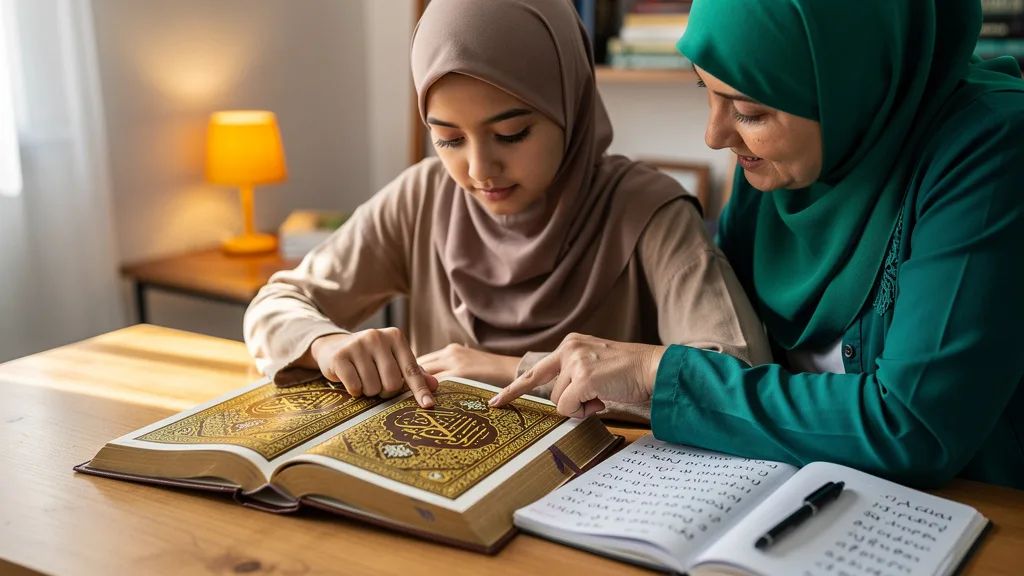
When you ask what Islamic studies do Al-Azhar teachers cover, the answer is a rich tapestry of disciplines that have been preserved and transmitted for centuries. From the word of Allah in the Quran to the traditions of the Prophet Muhammad (PBUH) and the legal frameworks derived from them, the curriculum provides a complete spiritual and intellectual toolkit. This ensures that teachers can address a wide range of questions and guide students with wisdom and clarity.
Quranic Sciences: Tafsir, Tajwid, and Hifz
At the core of the Al-Azhar curriculum are the Quranic sciences. Tafsir, or exegesis, is the study of the Quran's meanings, context, and interpretations. Teachers learn various methodologies for understanding the divine text, exploring the historical circumstances of revelation and the linguistic nuances of the verses. This allows them to explain the Quran in a way that is both accurate and relevant to modern life.
Alongside Tafsir, students master Tajwid, the science of correct Quranic recitation. This involves learning the precise rules of pronunciation, intonation, and rhythm to recite the Quran as it was revealed to the Prophet Muhammad (PBUH). Hifz, or memorization of the Quran, is also a highly encouraged practice, strengthening the student's connection to the holy book. These sciences form the bedrock of our online Quran classes for females, ensuring an authentic learning experience.
Hadith Studies: The Prophetic Traditions
Hadith studies involve the critical examination of the sayings, actions, and approvals of the Prophet Muhammad (PBUH). Al-Azhar teachers delve into the vast collections of Hadith, such as Sahih al-Bukhari and Sahih Muslim, learning how to verify the authenticity of a tradition by scrutinizing its chain of narrators (isnad) and its text (matn). This rigorous training is crucial for distinguishing authentic narrations from weak or fabricated ones.
This discipline equips teachers with a profound understanding of the Sunnah, which is the second primary source of Islamic law and guidance after the Quran. By studying the life and character of the Prophet (PBUH) through authentic narrations, teachers can provide practical examples and moral guidance that are firmly rooted in the prophetic model. This knowledge is vital for answering questions about daily life and worship.
Islamic Jurisprudence: Fiqh and Usul al-Fiqh
Islamic jurisprudence, or Fiqh, is the practical application of Islamic law in a Muslim's daily life. Al-Azhar teachers study the major schools of Islamic law (madhahib), understanding the legal rulings on everything from prayer (Salah) and fasting (Sawm) to marriage, finance, and ethics. This comprehensive study allows them to provide clear and practical guidance on matters of worship and worldly affairs.
Underpinning Fiqh is Usul al-Fiqh, the principles of jurisprudence. This advanced subject explores the methodologies used by classical scholars to derive legal rulings from the primary sources: the Quran and the Sunnah. By mastering Usul al-Fiqh, a teacher understands not just 'what' the ruling is, but 'how' and 'why' it was derived, enabling them to navigate complex legal questions with intellectual rigor and confidence.
Aqidah: Islamic Creed and Theology
Aqidah, or Islamic creed, is the foundation of a Muslim's faith. This area of study focuses on the core beliefs, including the oneness of Allah (Tawhid), the belief in His angels, books, messengers, the Day of Judgment, and divine decree. Teachers at Al-Azhar study classical theological texts to gain a firm and clear understanding of these essential principles.
"An Al-Azhar teacher's understanding of Aqidah is built upon centuries of scholarly consensus, providing a clear and steadfast foundation in the core tenets of Islam. This allows them to teach with certainty and protect students from deviant or misguided interpretations of the faith."
This study is not merely academic; it is aimed at developing a deep, spiritual conviction. A teacher with a strong grounding in Aqidah can effectively explain the Islamic worldview and help students build a resilient and unshakable faith. They are trained to address doubts and philosophical questions with logical arguments and evidence from the primary texts.
Islamic History and Civilization
Understanding the past is crucial for navigating the present. The Al-Azhar curriculum includes a thorough study of Islamic history, beginning with the Seerah (biography) of the Prophet Muhammad (PBUH) and the era of the Rightly Guided Caliphs. It extends to the history of various Islamic dynasties and the development of Islamic civilization, including its immense contributions to science, art, and philosophy.
This historical perspective provides context for the development of Islamic sciences and helps students appreciate their rich heritage. It also offers valuable lessons in leadership, community building, and cultural interaction. A teacher well-versed in Islamic history can inspire students by sharing stories of faith, perseverance, and intellectual achievement from across the Muslim world.
The Foundational Role of Arabic Language Courses
The Arabic language is the key that unlocks the treasures of Islamic knowledge. At Al-Azhar, Arabic is not just another subject; it is the very medium of instruction and the essential tool for accessing the primary sources of Islam in their original form. Without a mastery of Arabic, a deep and direct understanding of the Quran and Sunnah remains out of reach.
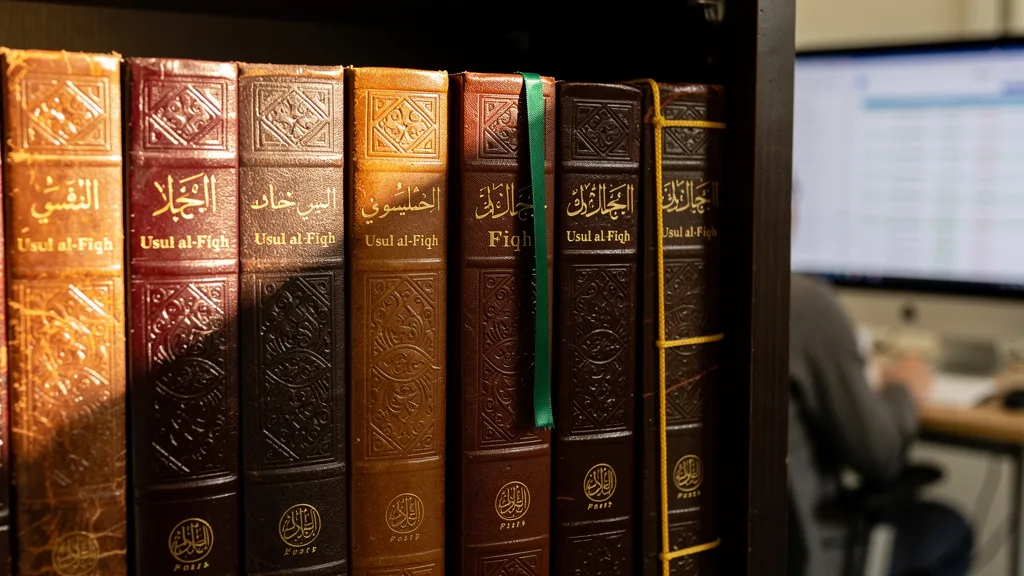
For this reason, intensive Arabic courses are a non-negotiable component of the curriculum. Students spend years honing their linguistic skills to a level where they can engage with complex classical texts effortlessly. This focus is something we emulate in our quran and arabic courses, recognizing that true learning begins with language.
Classical Arabic for Textual Understanding
The language of the Quran is Classical Arabic, which differs in vocabulary and structure from the Modern Standard Arabic used in news broadcasts or daily conversation. Al-Azhar's curriculum focuses intensely on Classical Arabic to ensure students can read and comprehend the Quran, Hadith, and classical works of Fiqh and Tafsir without relying on translations.
Translations, while useful, can never fully capture the depth, nuance, and beauty of the original text. By learning Classical Arabic, students gain a direct, unfiltered connection to the divine revelation and the wisdom of the early Muslim scholars. This is why our teachers emphasize a strong linguistic foundation, guiding you to appreciate the subtleties of the Quranic language yourself. This is an important part of the Al-Azhar method of teaching.
Grammar, Rhetoric, and Literature
Mastering Arabic involves more than just vocabulary. The curriculum is broken down into several key linguistic sciences. These disciplines work together to provide a complete command of the language, allowing for a sophisticated appreciation of its literary and spiritual dimensions.
The table below outlines the core components of Arabic language studies at Al-Azhar.
| Arabic Science | Focus Area | Importance for Islamic Studies |
|---|---|---|
| Nahw (Syntax/Grammar) | The rules governing sentence structure and the grammatical function of words. | Essential for correctly understanding the meaning of Quranic verses and Hadith. |
| Sarf (Morphology) | The study of how words are formed and derived from root letters. | Allows for a deep understanding of vocabulary and the relationships between words. |
| Balaghah (Rhetoric) | The art of eloquent and effective communication, including figures of speech. | Unlocks the miraculous literary beauty and persuasive power of the Quran. |
| Adab (Literature) | The study of classical Arabic poetry and prose. | Provides context and a deeper appreciation for the linguistic environment of the Quran. |
The Unique Methodology of an Al-Azhar Teacher
Beyond the subjects covered, what truly distinguishes an Al-Azhar education is its methodology. This time-tested approach to teaching and learning has been refined over a millennium to ensure the authentic preservation and transmission of Islamic knowledge. It emphasizes not just what is learned, but how it is learned and from whom.
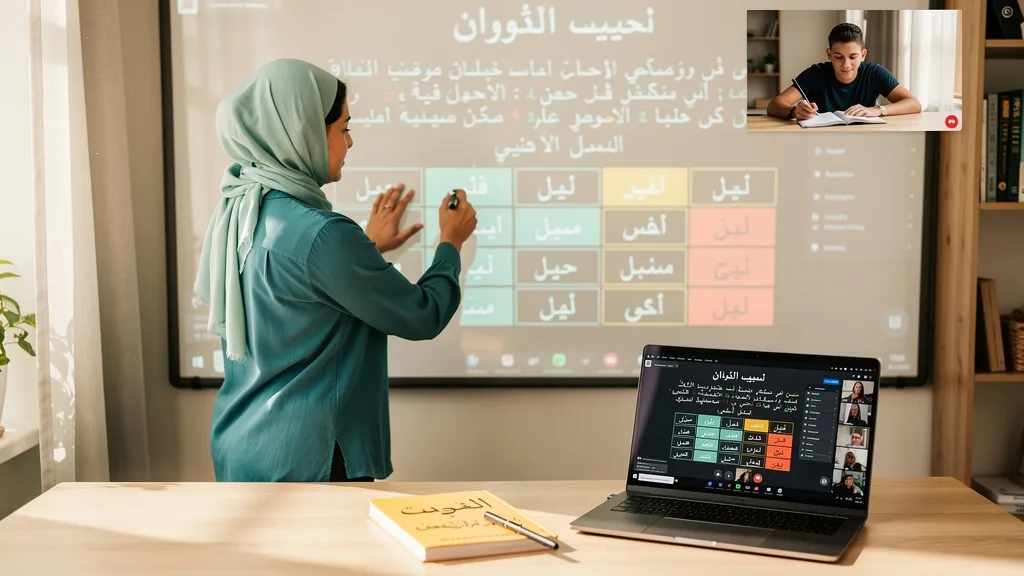
This methodology instills in teachers a sense of responsibility and humility, viewing themselves as links in a long chain of scholarship reaching back to the Prophet Muhammad (PBUH). It is a holistic system that shapes the teacher's character as much as their intellect, fostering qualities of moderation, patience, and piety. This is why so many families choose an Al-Azhar graduate for Quran teaching.
Emphasis on Isnad (Chain of Transmission)
A hallmark of the Al-Azhar methodology is the emphasis on isnad, or the chain of transmission. This means that knowledge is taken from a teacher who took it from their teacher, and so on, in an unbroken chain leading back to the original source. This ensures that the knowledge is authentic and has not been corrupted or altered over time.
For an Al-Azhar teacher, their ijazah (license to teach) is not just a certificate; it is a permission that connects them to this sacred chain of knowledge. This creates a deep sense of accountability and ensures that they transmit the knowledge exactly as they received it. When you learn online with our teachers, you are connecting with this tradition of authentic, verified scholarship.
A Balanced and Moderate Approach
Al-Azhar is globally renowned for promoting Wasatiyyah, a balanced and moderate understanding of Islam that avoids extremism on either side. The curriculum and teaching methodology are designed to cultivate a mindset that is comprehensive, compassionate, and context-aware. Teachers are trained to appreciate scholarly diversity and to approach complex issues with wisdom and nuance.
This moderate approach is especially important in today's world, where misinterpretations of Islam are common. An Al-Azhar trained teacher provides a voice of reason and authenticity, presenting Islam as a religion of peace, justice, and mercy. This provides a safe, reliable, and spiritually uplifting learning environment for students of all ages, particularly for sisters seeking private lessons.
Learning the Al-Azhar Method Online in 2026
In 2026, you no longer need to travel to Egypt to benefit from the Al-Azhar tradition. Technology has made it possible to connect with qualified teachers and access high-quality Islamic education from the comfort of your home. Online platforms have bridged the gap, offering structured learning experiences that embody the principles of the Azhari methodology.
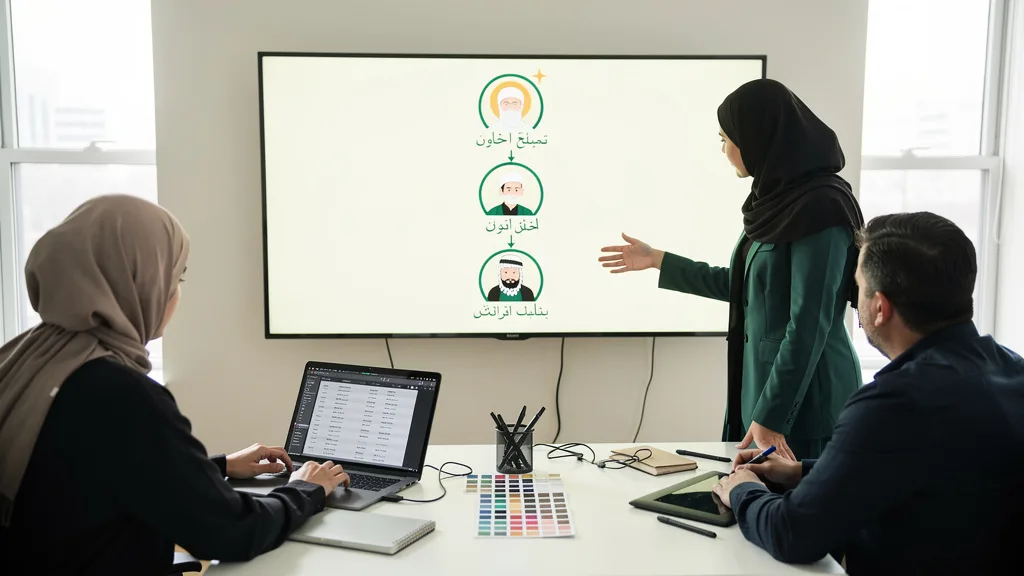
This accessibility is a great blessing, especially for sisters, children, and busy professionals who require flexibility. You can now receive personalized, one-on-one instruction from a qualified female teacher who is a product of this esteemed institution, fitting your studies around your family and work commitments.
Finding Expert Teachers for Quran and Arabic
The key to a successful online learning experience is finding the right teacher. It is essential to seek out instructors who are not only knowledgeable but are also graduates of reputable institutions like Al-Azhar. An Al-Azhar graduate brings with them the curriculum, methodology, and spiritual etiquette (adab) that are hallmarks of authentic Islamic scholarship.
At Hidayah Quran Academy, we specialize in connecting students with qualified female Al-Azhar graduates. Our teachers are experienced in quran teaching learn online methodologies and are dedicated to providing a supportive and encouraging environment for sisters and children. You can be confident that you are receiving instruction that is both authentic and effective.
Structured Online Courses vs. University Enrollment
While enrolling at Al-Azhar University is a noble goal, it is a long-term, intensive commitment that is not feasible for everyone. Online courses offer a flexible and accessible alternative to begin your journey of Islamic learning. Here is how the two paths compare:
- Flexibility: Online courses offer flexible scheduling, allowing you to learn at your own pace and at times that suit you. University enrollment requires full-time, in-person attendance.
- Accessibility: Anyone can start your journey today with an online course, regardless of age or prior qualifications. University admission has strict academic prerequisites.
- Focus: Online platforms like ours allow you to focus on specific subjects you are passionate about, such as Tajwid or Arabic, with a private teacher. University study involves a broad, mandatory curriculum.
- Environment: Our platform provides a private, one-on-one environment with a female teacher, which is ideal for sisters and children. University classes are typically in large, mixed-gender lecture halls.
Key Takeaways
To fully grasp what Islamic studies Al-Azhar teachers cover, it is helpful to summarize the core components of their extensive education. This knowledge empowers you to make an informed choice when selecting a teacher for yourself or your family.
- Comprehensive Curriculum: Al-Azhar teachers master a wide range of subjects, including Quranic Sciences (Tafsir, Tajwid), Hadith, Fiqh (Jurisprudence), Aqidah (Creed), and Islamic History.
- Arabic is Foundational: A deep mastery of Classical Arabic, including grammar (Nahw), morphology (Sarf), and rhetoric (Balaghah), is essential for direct access to the Quran and Sunnah.
- Authentic Methodology: The Al-Azhar method emphasizes an unbroken chain of transmission (Isnad) and a balanced, moderate approach (Wasatiyyah), ensuring authentic and reliable knowledge.
- Online Accessibility: In 2026, you can access teachers trained in this prestigious methodology online, offering a flexible and personalized learning experience for sisters, children, and beginners.
- Informed Choice: Understanding this curriculum helps you appreciate the value that an Al-Azhar graduate brings as a teacher, ensuring a high-quality Islamic education.
Frequently Asked Questions
Can non-Muslims study at Al-Azhar University?
Yes, non-Muslims can and do study at Al-Azhar University, particularly in non-theological faculties like medicine, engineering, and commerce. For Islamic and Arabic studies, the university has specific programs and centers designed for non-native speakers and those new to the subjects, welcoming students from all backgrounds who wish to learn. However, admission to the primary faculties of theology requires being a Muslim.
How much does it cost to study at Al-Azhar?
For Egyptian citizens, education at Al-Azhar is largely free. For international students, the tuition fees are generally very affordable compared to Western universities, often amounting to a few thousand dollars per year. However, prospective students must also budget for living expenses in Cairo, such as accommodation, food, and transportation, which can vary significantly.
Does Al-Azhar University offer official degrees online?
As of 2026, Al-Azhar University itself does not offer full, official degree programs entirely online that are equivalent to its on-campus degrees. While there are discussions and some affiliated programs, the core university experience remains in-person. However, many online academies, such as Hidayah Quran Academy, employ Al-Azhar graduates, allowing you to learn the Al-Azhar curriculum and methodology directly from them in a flexible online format.
What is the primary role of an Islamic studies teacher?
The primary role of an Islamic studies teacher is to transmit authentic knowledge in a clear, compassionate, and effective manner. Beyond just conveying information, a good teacher acts as a spiritual guide and role model, inspiring students to connect with their faith and apply its teachings in their daily lives. They are responsible for creating a supportive learning environment and nurturing a love for the Quran and the Sunnah in the hearts of their students.
Conclusion
Understanding what Islamic studies Al-Azhar teachers cover reveals a deep commitment to preserving and transmitting authentic, comprehensive, and balanced Islamic knowledge. Their education in Quranic sciences, Hadith, Fiqh, and Arabic equips them with unparalleled expertise. By choosing a teacher trained in this thousand-year-old tradition, you ensure that your Islamic education is built on a solid and reliable foundation, directly connected to a sacred chain of scholarship.
Are you ready to experience this profound method of learning for yourself or your children? Hidayah Quran Academy makes it possible by connecting you with qualified female Al-Azhar graduates for private, one-on-one classes. Take the first step on your journey to deeper knowledge and a stronger connection with your faith.
You can begin with a complimentary 30-minute trial session to meet your teacher and experience our approach firsthand. Book Free Trial.