When seeking a qualified guide for your Quranic journey, how can you be sure the teacher you choose possesses the right expertise? Understanding the landscape of Al Azhar vs Other Certifications for Quran Teachers is crucial for making an informed decision for yourself or your children. The most respected credentials include formal academic degrees from institutions like Al-Azhar University, traditional authorizations like an Ijazah, and modern online course certificates. Each represents a different path of knowledge, scope of study, and level of accessibility.
An Al-Azhar certification signifies a comprehensive, university-level education in Islamic studies, including but not limited to the Quran. In contrast, a traditional Ijazah is a highly specific authorization that confirms a student's perfect recitation and memorization, passed down through a chain of masters. Modern online certificates offer accessible, focused training on specific skills like Tajweed or teaching beginners, though their quality can vary significantly.
What Is an Al-Azhar Certification for Quran Teachers?
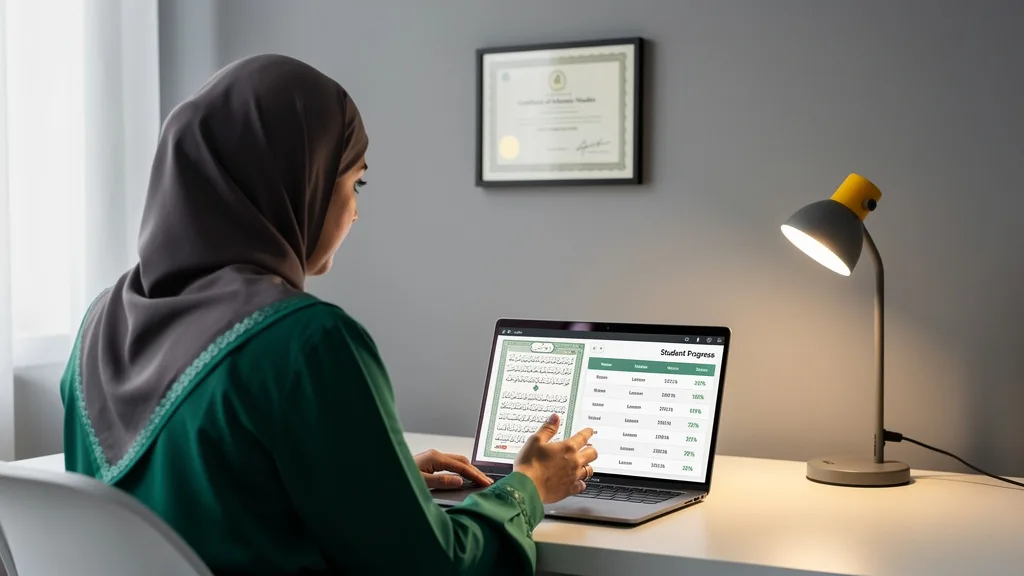
An Al-Azhar certification is a formal academic degree or diploma issued by Al-Azhar University in Cairo, Egypt. As one of the oldest and most prestigious centers of Islamic learning in the world, a qualification from Al-Azhar is held in high regard globally. These programs are not limited to Quranic recitation; they provide a deep and comprehensive education across a wide range of Islamic sciences. Students immerse themselves in a rigorous curriculum that builds a holistic understanding of the faith.
The scope of study for an Al Azhar quran teaching certificate typically includes Tafsir (Quranic exegesis), Hadith (Prophetic traditions), Fiqh (Islamic jurisprudence), Aqeedah (theology), and the Arabic language in great depth. This academic foundation equips teachers with the context and scholarly background to answer complex questions and provide nuanced instruction. Therefore, a teacher with an Al-Azhar qualification brings a scholarly depth that goes far beyond recitation alone, which is one of the key reasons Al Azhar teachers make Quran learning effective for dedicated students.
Understanding Alternative Quran Teaching Certifications
While Al-Azhar represents the peak of formal academic learning, it is not the only path to becoming a qualified Quran teacher. Two other prominent types of credentials exist, each with its own unique purpose, tradition, and methodology. The traditional Ijazah focuses on the preservation of the oral transmission of the Quran, while modern online certificates have emerged to meet the growing demand for accessible, skill-based learning in the digital age. Understanding these alternatives is key to appreciating the diverse qualifications a teacher may hold.
The Traditional Ijazah: Master-to-Student Authorization
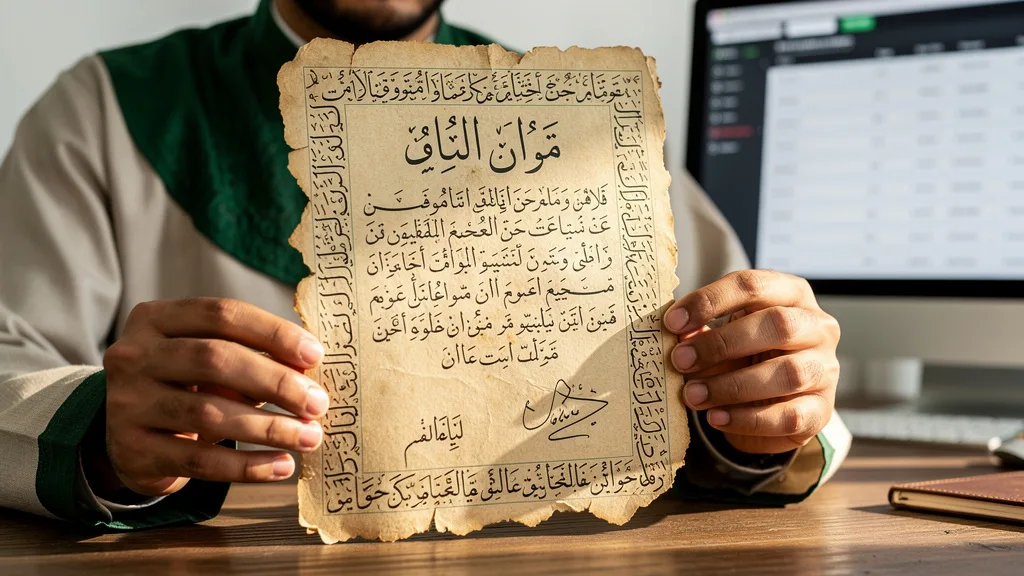
An Ijazah is a license or authorization that certifies a student has mastered the recitation or memorization of the Quran under the direct supervision of a qualified teacher. This is not a classroom-based degree but a profound mentorship. The teacher who grants the Ijazah must themselves hold one, creating an unbroken chain of transmission (sanad) that ideally traces all the way back to the Prophet Muhammad (peace be upon him). It is the ultimate verification of a person's ability to recite the Quran with perfect Tajweed, exactly as it was revealed.
The primary focus of an Ijazah is mastery of transmission. A student seeking an Ijazah in recitation will recite the entire Quran from memory to their teacher, who meticulously corrects every error in pronunciation, timing, and application of Tajweed rules. Unlike an academic degree, an Ijazah does not typically cover other Islamic sciences like Fiqh or Tafsir in depth. Its purpose is singular and profound: to preserve the oral tradition of the Quranic text without error, making its holder a certified link in a sacred chain of knowledge.
Modern Online Course Certificates
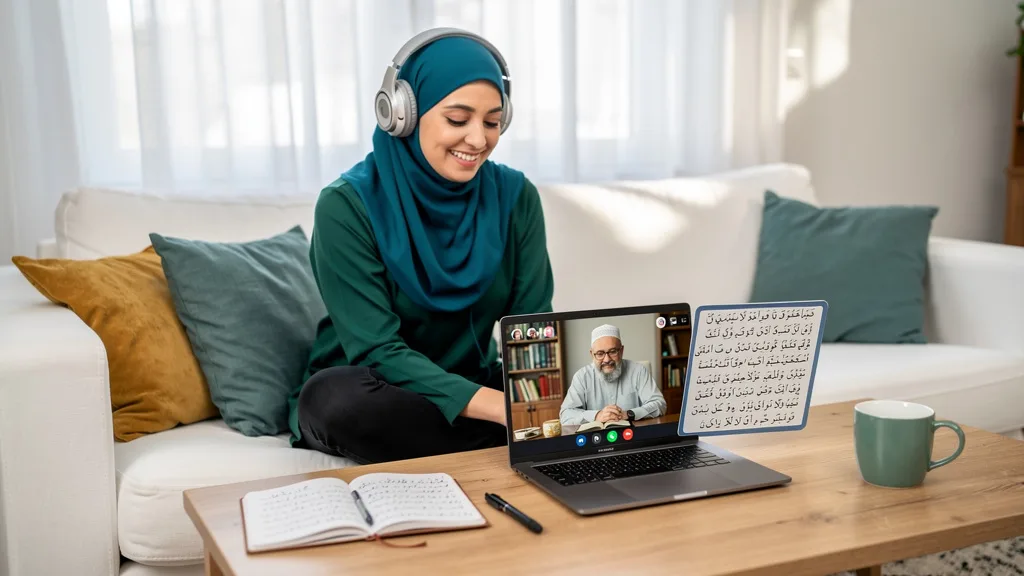
In response to the global demand for accessible Quran education, numerous online academies and platforms now offer course certificates. These programs are designed for flexibility, allowing students to learn from anywhere in the world. They often focus on specific, practical skills, such as mastering the Noorani Qaida, learning the rules of Tajweed, or completing a course on a specific Juz' of the Quran. This format is particularly beneficial for beginners or those looking to strengthen a particular area of their knowledge.
The quality and recognition of these online course certificates can vary widely. Reputable institutions have structured curricula, qualified instructors, and rigorous assessments. However, unlike an Al-Azhar degree or a traditional Ijazah, there is no single governing body that standardizes these certifications. Therefore, it is important for a prospective student to research the institution's reputation, the qualifications of its teachers, and the depth of its curriculum before enrolling. An Al Azhar certified Quran teacher often has a different background than a tutor who holds only online certificates.
Al-Azhar vs Ijazah vs Online Certificates: a 2026 Comparison
Choosing a Quran teacher often means deciphering their qualifications. In 2026, the three main credentials—Al-Azhar degrees, traditional Ijazahs, and modern online certificates—serve different purposes and signify different strengths. An Al-Azhar graduate brings academic rigor, an Ijazah holder offers mastery of recitation, and an online certificate holder may have specialized skills for online teaching. The best choice depends entirely on your learning objectives, whether you seek deep scholarly knowledge, perfect pronunciation, or a flexible learning path.
| Factor | Al-Azhar Certification | Traditional Ijazah | Modern Online Certificate |
|---|---|---|---|
| Prestige & Recognition | Highest global academic prestige. | Highest traditional respect for recitation. | Varies by institution; reputation is key. |
| Curriculum Scope | Comprehensive: Quran, Tafsir, Hadith, Fiqh, Arabic. | Narrow & Deep: Perfecting Quran recitation or memorization. | Specific & Focused: Tajweed rules, Noorani Qaida, etc. |
| Accessibility & Cost | Low accessibility; requires residency in Egypt, high time/cost. | Moderate accessibility; requires intense mentorship (can be online). | High accessibility; flexible, lower cost, done from home. |
| Primary Focus | Academic knowledge and scholarly understanding. | Mastery of oral transmission and perfect recitation. | Practical skill acquisition and teaching methodology. |
Prestige and Global Recognition
When it comes to prestige, a degree from Al-Azhar University is unparalleled in the academic world of Islamic studies. It is recognized and respected by institutions and governments worldwide as a mark of high-level scholarly achievement. This credential opens doors to formal roles in academia, research, and Islamic jurisprudence.
An Ijazah, while perhaps less known outside of traditional Islamic circles, carries immense prestige within them. For those who understand its significance, it is the gold standard for recitation authority, signifying that the holder is a trusted link in the chain of Quranic transmission. The recognition of online certificates, however, is entirely dependent on the reputation of the academy that issues them. A certificate from a well-known, rigorous online program can be highly valued, while one from an unknown source may carry little weight.
Curriculum Depth and Scope of Islamic Studies
The curricula of these three paths are fundamentally different. Al-Azhar offers the broadest and most comprehensive education, creating well-rounded scholars. A student graduates with a deep understanding of the Quran's context, legal implications, and linguistic nuances, alongside other essential Islamic sciences.
The curriculum for an Ijazah is, by design, narrow and incredibly deep. The entire focus is on the Quranic text itself, ensuring every letter is pronounced with perfection according to a specific, authenticated mode of recitation (Qira'ah). In contrast, online certificates are modular and specific. A student might take one course on the rules of Noon Sakinah and Tanween, and another on the characteristics of the letters, building their knowledge piece by piece in a targeted way.
Accessibility, Cost, and Time Commitment
Accessibility is a major differentiator. Pursuing a degree at Al-Azhar is a significant life commitment, often requiring students to move to Egypt for several years and incur substantial living expenses. A traditional Ijazah also requires a major time investment, involving countless hours of one-on-one recitation with a master teacher, though this is increasingly possible through online means.
Modern online certificates are by far the most accessible option. They eliminate geographical barriers and offer flexible scheduling that can fit around work, family, and other commitments. Financially, they are also more attainable, with course fees being significantly lower than the cost of relocating abroad for university. This accessibility is a key reason why many people begin their journey with a certified online tutor, as the cost of an online female Quran teacher is often more manageable for families.
Focus on Teaching Methodology vs. Recitation Mastery
A crucial distinction lies in the focus on teaching skills versus personal mastery. Many Al-Azhar programs include pedagogy, or the science of teaching, as part of their curriculum. This prepares graduates not just to know the material, but to effectively impart it to others. An Ijazah, conversely, certifies the holder's personal mastery of recitation. While the holder is authorized to teach, the Ijazah itself is not a certification in teaching methodology.
This is an area where quality online programs often excel. Recognizing their students are often future tutors, many online certificate courses incorporate modules specifically on how to teach, manage a class, and adapt to different learning styles. They focus on providing practical tools for teaching beginners, children, or adults in an online environment, a skill set that is distinct from pure recitation mastery and essential for effective online Quran classes for females and children.
What Core Qualifications Do Quran Teachers Need?
While formal certificates are important benchmarks, they are only part of what makes an effective Quran teacher. Several core qualities and skills are essential for a teacher to successfully guide a student, regardless of the credentials they hold. A great teacher combines their knowledge with the right personal attributes to create a supportive and fruitful learning environment.
"While a prestigious certificate is a strong indicator, the true qualification of a Quran teacher lies in their ability to connect with the student, impart knowledge with patience, and inspire a love for the Quran."
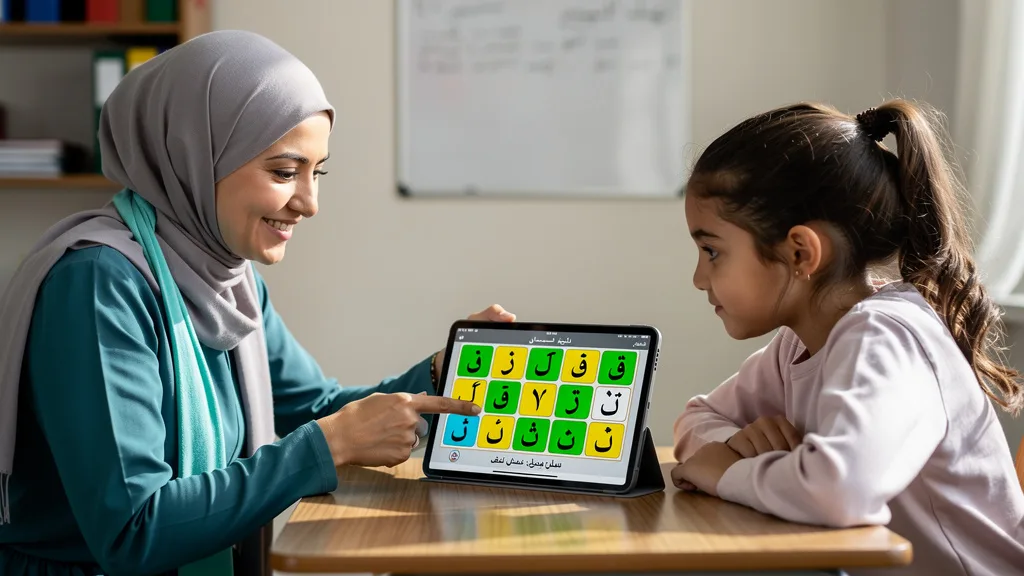
Ultimately, the best teachers possess a blend of formal knowledge and innate personal skills. When searching for a teacher, especially for your family, look for these essential qualifications:
- Mastery of Tajweed: The teacher must have a deep, practical knowledge of the rules of correct pronunciation, articulation, and recitation.
- Patience and Empathy: Learning the Quran is a journey with challenges. A good teacher is patient, understanding, and encouraging.
- Strong Communication Skills: They must be able to explain complex rules simply and clearly, especially for children and beginners.
- Adaptability: The ability to tailor teaching methods to the student's age, learning style, and pace is crucial for success.
- A Suitable and Comfortable Environment: For many students, particularly sisters and young girls, having a qualified female Quran teacher online is essential for comfortable and focused learning.
How to Choose the Right Certification for Your Goals
The "best" certification is relative and depends entirely on the context and the student's ultimate goal. Whether you are seeking a teacher for yourself, your child, or aspiring to teach one day, understanding which qualification aligns with your objective is the first step. Each path—academic, traditional, or modern—is designed to produce a different kind of expert.
For Formal Academic and Institutional Roles
For anyone aspiring to a career in academia, such as becoming a university professor of Islamic studies, a researcher, or a formal religious authority (Mufti) in an institution, a degree from Al-Azhar University is the gold standard. Its comprehensive curriculum and global recognition are prerequisites for these high-level, formal positions. The academic rigor and broad scholarly foundation it provides are essential for contributing to scholarly discourse and holding positions of institutional authority.
For Online Tutoring and Community Teaching
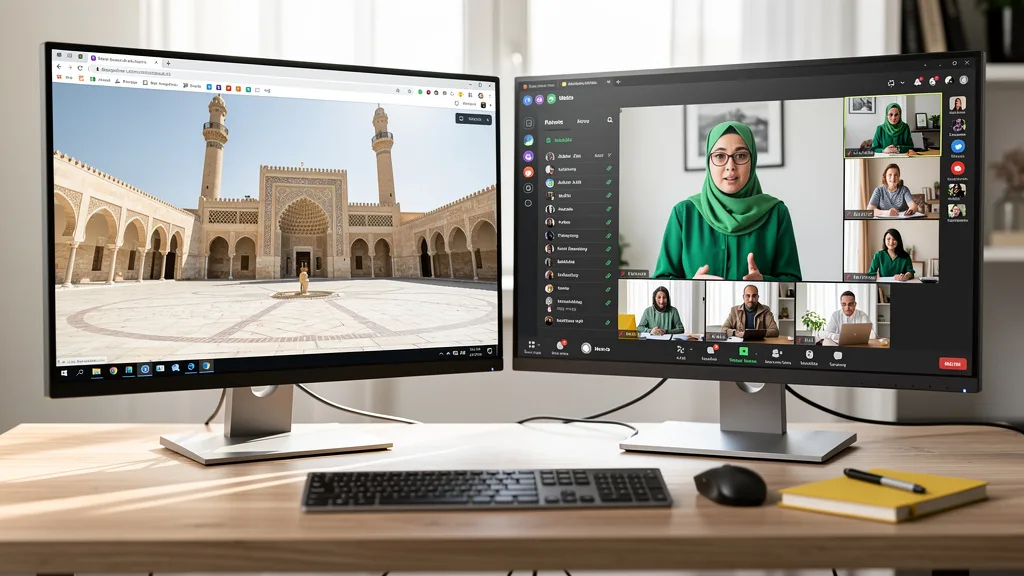
For the vast majority of students seeking to learn Quran online, the ideal teacher often has a blend of qualifications. An Ijazah is a powerful indicator of perfect recitation, which is a core requirement. However, a teacher who also holds certificates from modern online teaching programs may be better equipped with the pedagogical skills needed for one-on-one tutoring. They understand how to keep a child engaged over Zoom or how to simplify complex concepts for an adult beginner. This combination ensures both accuracy of knowledge and effectiveness of delivery, making them ideal for providing Quran classes for sisters and families.
For Personal Development and Deeper Knowledge
If your goal is not to teach but to deepen your own personal connection with the Quran, any of these paths can be valid. If you wish to perfect your own recitation, seeking a teacher who holds an Ijazah would be the most direct route. If you are more interested in understanding the meaning, context, and wisdom behind the verses, it would be beneficial to Learn with Quran Teachers from an academic background like Al-Azhar. For beginners who want a structured and accessible starting point, enrolling in a reputable online certificate program can provide an excellent foundation.
Key Takeaways
Navigating the world of Quran teacher qualifications can be simple if you remember the core purpose of each certification. Here are the key points to help you make a confident choice in 2026:
- Al-Azhar is Academic: A degree from Al-Azhar signifies a broad, deep, and formal education in a wide range of Islamic sciences, making it ideal for scholarly and institutional roles.
- Ijazah is for Recitation Mastery: An Ijazah is a traditional authorization that guarantees the holder's ability to recite the Quran perfectly according to a verified chain of transmission.
- Online Certificates Offer Accessibility: Modern online courses provide flexible, focused, and affordable training on specific skills, but their quality and reputation vary.
- Goals Determine the Best Fit: The right teacher for you or your child depends on your learning objectives. Match the teacher's qualifications to your goals, whether they be academic understanding, recitation perfection, or foundational learning.
- Character and Skill Matter Most: Beyond any certificate, look for a teacher with patience, strong communication skills, and the ability to create a supportive learning environment.
Frequently Asked Questions
How much does it cost to study for a certificate from Al-Azhar?
The tuition fees for Al-Azhar University can be relatively low, especially for certain programs. However, the primary expense is the cost of living in Cairo, Egypt, for the duration of the studies, which can span several years. These costs, including accommodation, food, and transportation, can amount to a significant financial commitment.
How much do qualified Quran teachers get paid?
The income of a qualified Quran teacher varies greatly based on several factors. These include their level of qualification (Al-Azhar, Ijazah, etc.), years of experience, geographical location, and whether they work independently or for an academy. Rates can range from $10 to $40 per hour or more, with highly credentialed teachers in Western countries earning at the higher end of that scale.
Is an Al-Azhar certificate required to teach the Quran online?
No, an Al-Azhar certificate is not a strict requirement to teach the Quran online. While it is a highly respected credential that signifies deep knowledge, many excellent online teachers hold an Ijazah for recitation or have other strong qualifications and extensive teaching experience. For online learning, a teacher's ability to communicate effectively in a virtual setting is equally important.
Can you earn a legitimate Ijazah through an online program?
Yes, it is possible to earn a legitimate Ijazah online in the modern era. This requires finding a teacher (Sheikh or Sheikha) who holds a verifiable sanad (chain of transmission) and is willing to conduct the intensive, one-on-one recitation sessions via video call. The process demands immense discipline and commitment from the student, but technology has made it possible to connect with qualified masters globally.
What factors determine the best online Quran teacher for a student?
Beyond certification, the best teacher is one who fits the student's individual needs. Key factors include their teaching style, ability to build rapport, and communication skills. For many families, gender is also a critical factor, with a strong preference for a female Quran teacher vs a male one, especially for sisters and young girls, to ensure a comfortable and private learning environment.
Conclusion
In conclusion, the debate of Al Azhar vs Other Certifications for Quran Teachers is not about which one is definitively superior, but which one is right for a specific purpose. An Al-Azhar degree provides unmatched academic depth for scholarly pursuits. A traditional Ijazah offers the ultimate verification of recitation mastery, preserving the sacred oral tradition. Modern online certificates provide an accessible and practical pathway for acquiring specific skills in a flexible format.
As a student or a parent, your primary takeaway should be to look beyond the title of the certificate and understand what it truly represents. The most important step is to align your learning goals with the teacher's specific expertise. For young learners, beginners, or sisters seeking a private learning space, a teacher's patience, communication style, and ability to create a supportive environment are just as critical as their formal credentials.
Finding a teacher who possesses both the right qualifications and the ideal teaching approach can feel overwhelming, but it is the key to a rewarding educational journey. By vetting teachers for both their knowledge and their pedagogical skill, you ensure a learning experience that is not only accurate but also engaging and inspiring.
At Hidayah Quran Academy, we ensure all our female teachers are not only highly qualified but also expertly trained to provide a supportive, effective, and private one-on-one learning environment for sisters, children, and adult beginners. See the difference a dedicated and empathetic teacher can make in your Quranic education. Start your journey with confidence today. Book Free Trial.