
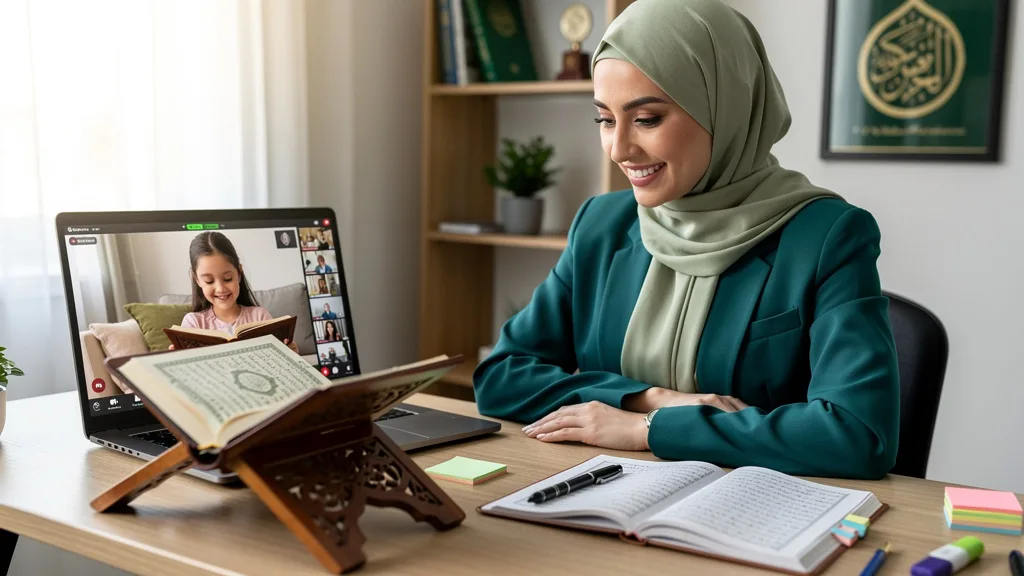
How can one teaching philosophy effectively cater to a beginner child, an intermediate adult, and an advanced student simultaneously? The answer lies in a centuries-old tradition of personalized, adaptive education refined for the modern learner. This approach ensures every student, regardless of their starting point, can build a deep and meaningful connection with the Quran.
The core of how Al Azhar teachers adapt to different student levels rests on individualized instruction, a strong student-teacher relationship, and a focus on conceptual understanding over rote learning. By using techniques like tiered assignments, scaffolding, and continuous feedback, educators create a tailored learning path. This ensures that whether a student is just beginning their journey with the Noorani Qaida or delving into complex Tajweed, the instruction they receive is challenging, supportive, and perfectly suited to their needs.
Foundational Principles of Al Azhar's Educational Philosophy
The educational philosophy of Al Azhar University is built upon the holistic development of the student. It is not merely about transmitting information but about nurturing the mind, spirit, and character in accordance with Islamic principles. This approach, known as Tarbiyah, views education as a means of cultivating a well-rounded individual who understands their faith and can apply its teachings to their daily life. The goal is to produce graduates who are not only knowledgeable but also pious, ethical, and of service to their community.
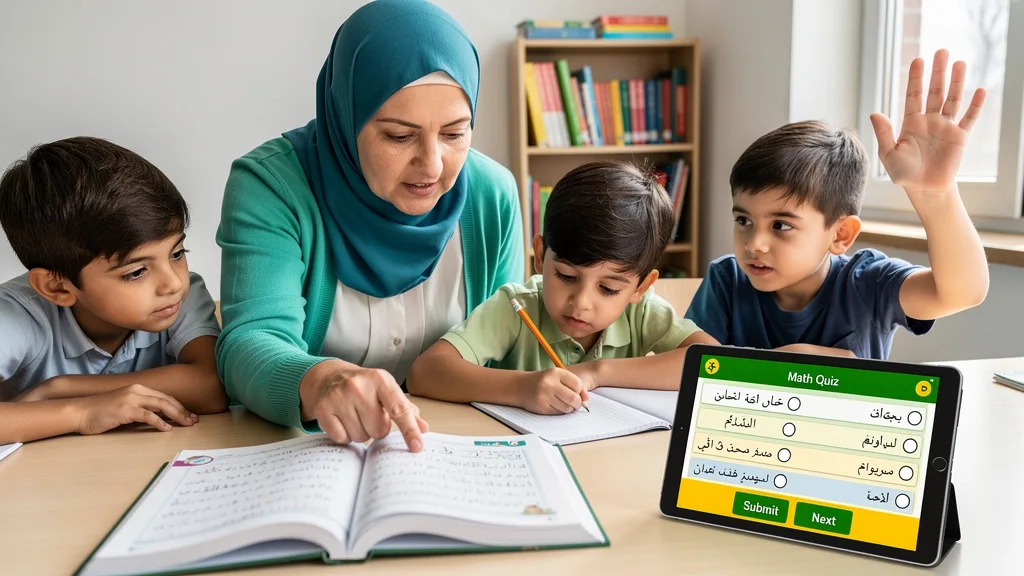
Central to this philosophy is the profound emphasis on understanding (fahm) over simple memorization (hifz). While memorizing the Quran is a noble pursuit, the Al Azhar method prioritizes grasping the meaning, context, and practical application of the sacred text. Teachers are trained to guide students toward a deep, personal connection with the words of Allah, encouraging critical thinking and reflection. This ensures that the knowledge gained is not superficial but becomes an integral part of the student's worldview and moral compass.
Core Strategies for Adapting to Different Student Levels
The true strength of the Al Azhar teaching methodology lies in its remarkable flexibility. Educators are equipped with a range of strategies to customize their instruction, ensuring that every student receives the precise support they need to thrive. This personalized approach is what makes it possible to effectively teach a diverse classroom, whether online or in person, with students of varying ages, backgrounds, and abilities. It is a dynamic system that honors the unique learning journey of each individual.
Using Tiered Assignments for Varied Skill Levels
Tiered assignments are a cornerstone of differentiated instruction within the Al Azhar framework. This strategy involves creating multiple versions of a task that address the same core learning objective but vary in complexity. For example, in a Quran reading class, a beginner might work on mastering basic letter recognition and pronunciation using the Noorani Qaida. An intermediate student might focus on applying fundamental Tajweed rules to a short surah, while an advanced student could be tasked with analyzing and applying intricate rules of articulation and vocalization in a longer passage.
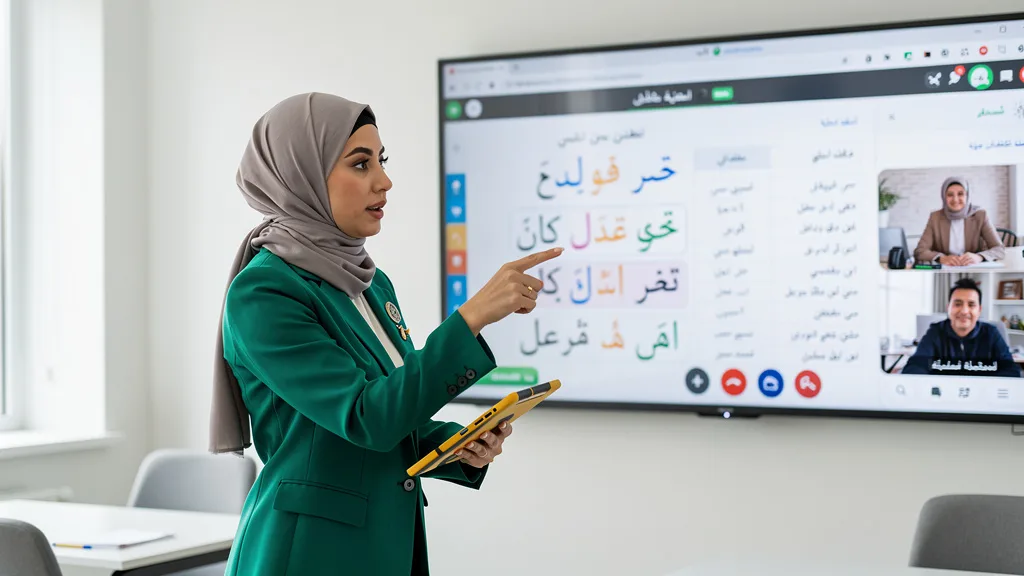
This method allows the teacher to challenge every student appropriately within a single lesson. The learning goal remains consistent, but the path to achieving it is tailored. For younger learners, this could involve using engaging resources like `tracing worksheets` or `letter recognition` games to build foundational skills. For adults, it might mean providing different levels of textual analysis or supplementary readings. The result is a learning environment where no student is left behind or held back.
Implementing Flexible Grouping to Foster Collaboration
While Hidayah Quran Academy focuses on private one-on-one classes, the principle of flexible grouping is adapted to the individual learning context. In this setting, the teacher continuously adjusts their instructional strategy based on the student's real-time progress and needs. One week, the focus might be on intensive `word fluency` practice. The next, it could shift to understanding the story behind a particular surah. This dynamic adjustment creates a highly responsive and personalized learning environment. personalized Quran instruction.
This flexibility ensures that the student is always at the center of the educational process. If a student is struggling with a concept, the teacher can dedicate more time and use different methods to explain it. Conversely, if a student masters a topic quickly, the teacher can introduce more advanced material or enrichment activities to keep them engaged. This adaptive, one-on-one model embodies the spirit of flexible grouping by treating each student as a unique learning partner.
Scaffolding Instruction for Foundational Support
Scaffolding is the process of providing temporary support to a student to help them achieve a learning goal they could not reach on their own. Al Azhar teachers are masters of this technique, skillfully breaking down complex topics into manageable steps. For a student learning to recite, a teacher might first model the correct pronunciation, then have the student repeat short phrases, and gradually build up to reciting full verses. The support is slowly withdrawn as the student's competence and confidence grow.
This method is particularly effective for learners facing specific challenges, such as English speakers new to Arabic or young children developing their reading skills. A teacher might use visual aids, phonetic guides, or digital tools to bridge gaps in understanding. The essence of scaffolding is to provide just enough help to empower the student to succeed independently, fostering resilience and a positive attitude toward learning.
Providing Enrichment Activities for Advanced Students
Adapting instruction also means providing meaningful challenges for students who are ahead of the curriculum. For these learners, Al Azhar teachers offer enrichment activities that deepen their understanding and broaden their horizons. Instead of simply moving faster through the material, advanced students are encouraged to go deeper. This might involve studying the etymology of Quranic words, exploring different schools of Tafsir (exegesis), or memorizing and reflecting upon specific Islamic duas.
These activities are designed to cultivate a lifelong love of learning and a more profound appreciation for the depth of Islamic knowledge. They transform students from passive recipients of information into active seekers of knowledge. When you choose an Al-Azhar graduate Quran teacher, you are choosing an educator skilled in nurturing this intellectual curiosity, ensuring that advanced students remain stimulated and engaged in their studies.
The Central Role of the Teacher-Student Relationship
In Islamic educational tradition, the relationship between the teacher and the student is sacred. It goes far beyond academic instruction to encompass mentorship, guidance, and spiritual nurturing. This bond is considered a critical component of the learning process, as it creates the foundation of trust and respect necessary for true knowledge to be transmitted. The teacher is seen as an inheritor of the prophets, tasked with a noble responsibility.
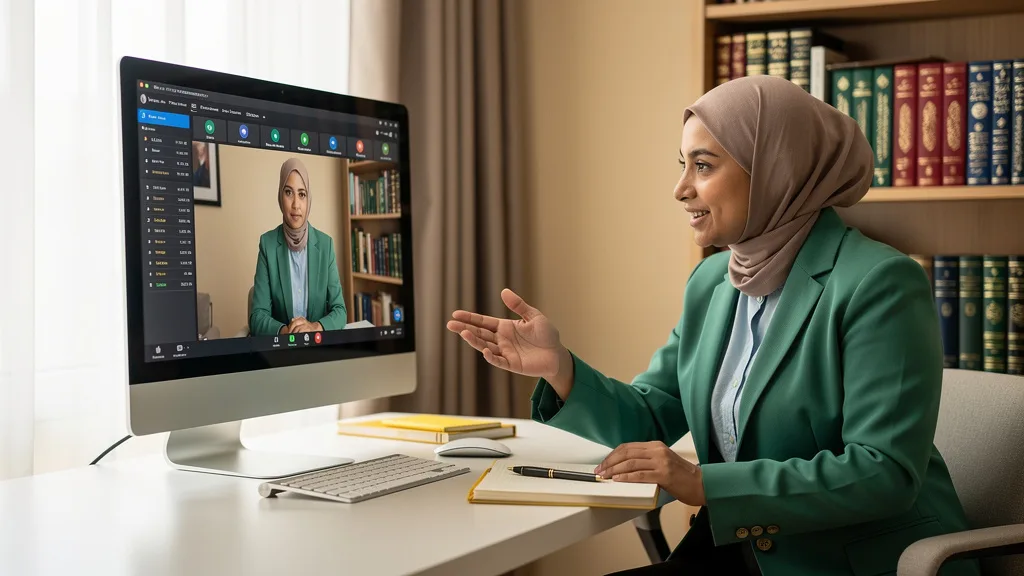
The long-term positive effects of a strong teacher-student bond are well-documented, with studies on Teacher Value showing significant impacts on student outcomes later in life. This principle is deeply embedded in the Al Azhar approach, where teachers strive to be role models of piety, wisdom, and compassion, shaping not just the minds but also the hearts of their students.
Mentorship as a Pillar of Islamic Pedagogy
The teacher in the Al Azhar tradition is a mentor (murshid/murshidah), a guide who walks alongside the student on their educational and spiritual journey. This mentorship involves providing personalized advice, offering encouragement during challenges, and modeling the character and conduct of a devout Muslim. The teacher takes a personal interest in the student's overall well-being, understanding that their spiritual and emotional state directly impacts their ability to learn.
This relationship is built on sincerity and a genuine desire to see the student succeed in this life and the hereafter. The mentor helps the student set personal and academic goals, navigate difficulties with patience and prayer, and connect their learning to a higher purpose. It is a holistic approach that recognizes education as a transformation of the entire self.
Building an Environment of Trust and Mutual Respect
A safe, trusting, and respectful environment is essential for effective learning, especially for sensitive subjects like religious studies. Al Azhar-trained teachers excel at creating this atmosphere. For sisters and children, having a female teacher provides a comfortable and modest space where they can ask questions freely and build confidence without hesitation. This is particularly important in our online Quran classes for females, where trust is the bedrock of the virtual classroom.
Teachers foster this environment by listening actively, showing empathy, and respecting the student's unique perspective and pace. They correct mistakes gently and constructively, framing errors as opportunities for growth rather than failures. This mutual respect empowers students to take ownership of their learning and engage more deeply with the material, knowing they are in a supportive and non-judgmental space.
Assessing Understanding Beyond Rote Memorization
How does a teacher know if a student truly understands a concept? The Al Azhar approach moves beyond traditional tests and exams, which often measure only recall. Instead, it employs a variety of assessment techniques designed to gauge a student's conceptual mastery and ability to apply knowledge in practical, real-world contexts. The focus is on what the student can do with their knowledge, not just what they can remember.
Continuous Feedback and Formative Evaluation
In a one-on-one setting, assessment is a continuous and integrated part of every lesson. This is known as formative evaluation. As a student recites, the teacher provides immediate, gentle correction on pronunciation and Tajweed. When discussing a story from the Quran, the teacher asks probing questions to check for comprehension of the moral and historical context. This ongoing feedback loop is far more effective than a single high-stakes exam.

This method allows the teacher to identify and address misunderstandings in real time, preventing them from becoming ingrained habits. It also helps the student become a more self-aware learner, capable of self-correction. The feedback is always delivered in a supportive and encouraging manner, reinforcing the trust-based relationship and motivating the student to strive for excellence.
Focusing on Conceptual Mastery and Application
The ultimate test of learning in the Al Azhar tradition is application. Can the student apply the rules of Tajweed flawlessly while reciting a new surah? Can they explain the lessons from Surah Yusuf and relate them to their own life? Can they perform Wudu and Salah correctly without prompting? This focus on practical application ensures that learning is both meaningful and lasting.
Teachers use a variety of methods to assess this level of mastery, including observation, open-ended questioning, and scenario-based problems. For example, a teacher might ask a student to explain how a particular verse informs a Muslim's character or daily conduct. This requires a much deeper level of understanding than simply translating the verse, demonstrating true conceptual mastery.
Balancing Tradition with Innovative Teaching Ideas for 2026
While the principles of the Al Azhar method are timeless, its application in 2026 is dynamic and innovative. Extraordinary teachers today skillfully blend centuries-old pedagogical wisdom with modern technology to create engaging and effective learning experiences. They leverage tools like Zoom for face-to-face interaction, digital whiteboards for collaborative exercises, and a wealth of online resources to enrich their lessons. Many educators even connect on forums like r/Teachers to share ideas and best practices.
This fusion of tradition and innovation allows teachers to bring Quranic education to life for a new generation of students. Interactive `games activities` can help children learn the Arabic alphabet, while digital `task cards` can make practicing Tajweed rules more engaging. By embracing technology thoughtfully, teachers can enhance their ability to adapt to different student levels, making learning more accessible, personalized, and impactful than ever before. This ensures the rich heritage of Islamic education continues to thrive in the digital age.
Key Takeaways
To effectively adapt to different student levels, Al Azhar-trained teachers employ a multifaceted approach rooted in personalization and respect. Understanding these core strategies can help you appreciate the depth and effectiveness of this teaching methodology. Here are the key takeaways:
- Holistic Development is the Goal: Education extends beyond academics to include spiritual and character development, aiming to nurture a well-rounded individual.
- Individualization is Key: Strategies like tiered assignments, scaffolding, and enrichment activities ensure that instruction is tailored to each student's specific skill level and pace.
- The Teacher is a Mentor: The relationship is built on trust and respect, with the teacher acting as a spiritual guide who supports the student's overall growth.
- Assessment is Practical: Understanding is measured through practical application and continuous, formative feedback rather than just rote memorization and formal tests.
- Tradition Meets Innovation: The timeless principles of the Al Azhar method are enhanced with modern technology to create dynamic and engaging learning experiences for students today.
Frequently Asked Questions
What is the primary goal of education in the Al Azhar tradition?
The primary goal of education in the Al Azhar tradition is Tarbiyah, which means the holistic development of an individual. This includes their intellectual, spiritual, ethical, and social growth. The aim is to cultivate a deep understanding and love for Islam, enabling students to live a life guided by its principles and contribute positively to society.
It moves beyond mere academic achievement to focus on building character, instilling piety, and fostering a personal connection with Allah. The ultimate objective is to nurture a complete human being who embodies the teachings of the Quran and Sunnah in every aspect of their life.
What did Hazrat Ali say about the role of a teacher?
Hazrat Ali (RA), renowned for his wisdom, held teachers in the highest esteem. One of his most famous sayings encapsulates this reverence: "I am a slave to anyone who has taught me a letter. If he wishes, he may sell me; if he wishes, he may set me free; and if he wishes, he may enslave me."
This powerful statement highlights the immense debt of gratitude a student owes to their teacher. It underscores the transformative impact of knowledge and the sacred role of the educator as a guide who illuminates the path for others, deserving of profound respect and honor.
How do Al Azhar methods support students with unique learning needs?
The Al Azhar method is inherently adaptive, making it well-suited to support students with unique learning needs. Its emphasis on personalization, scaffolding, and a strong teacher-student bond allows educators to tailor their approach. Teachers can break down complex concepts into smaller, manageable steps and provide individualized support until the student gains mastery.
For students who learn at a different pace, the one-on-one format is ideal. The teacher can adjust the speed of instruction, use multi-sensory teaching aids, and offer constant encouragement. The focus on a trusting, non-judgmental environment helps build confidence and reduces learning anxiety for all students.
Are modern technologies incorporated into this teaching style?
Yes, absolutely. While the pedagogical principles are traditional, their application in 2026 is thoroughly modern. Qualified teachers incorporate a variety of technologies to enhance the learning experience. Video conferencing platforms like Zoom and WhatsApp are used for live, face-to-face instruction, creating a personal connection despite physical distance.
Additionally, teachers use digital whiteboards, interactive apps, educational games, and online resources to make lessons more engaging and effective. This blend of timeless teaching wisdom and contemporary tools ensures that students receive a high-quality education that is both authentic and relevant to the modern world.
How is character development integrated with academic learning?
In the Al Azhar method, character development (akhlaq) is not a separate subject but is woven into the very fabric of academic learning. The primary text, the Quran, is itself a guide to sublime character. Teachers use its stories, commandments, and wisdom to draw out moral and ethical lessons for students.
Furthermore, the teacher acts as a living role model. Their patience, kindness, piety, and respectful conduct provide a practical example for the student to emulate. The trusting and respectful teacher-student relationship becomes a training ground for developing positive character traits like humility, sincerity, and respect for knowledge.
Conclusion
The enduring success of the Al Azhar teaching methodology lies in its profound understanding of the human element in education. By focusing on how Al Azhar teachers adapt to different student levels through personalization, mentorship, and a deep respect for each learner's journey, this approach creates an environment where every student can flourish. It proves that a truly effective education addresses the whole person, balancing rigorous intellectual training with the equally important development of spirit and character. This holistic, student-centered philosophy is what makes it a powerful model for Quranic learning in 2026 and beyond.
Are you ready to experience this personalized and effective approach to Quranic education for yourself or your children? Our qualified female teachers are trained in these adaptive methods and are ready to guide you on your learning journey. Start with a complimentary trial session to see the difference firsthand.
If you want help turning this into a concrete plan for your site or team, take the next step below to apply How Al Azhar Teachers Adapt to Different Student Levels with confidence.
Ready to act on How Al Azhar Teachers Adapt to Different Student Levels? Book Free Trial — tell us your goal, and we will help you pick the highest-leverage next step so you are not guessing alone.