
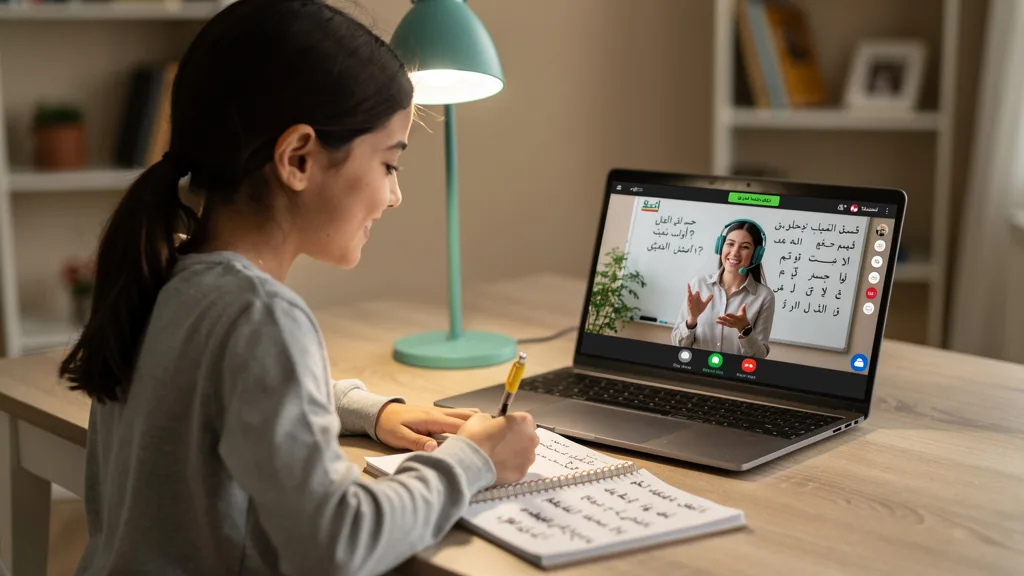
Arabic Classes Cost 2026: A Guide to Monthly Fees and Trials
Thinking about learning Arabic but wondering what it will cost? The price of online Arabic classes can vary significantly, making it hard to budget. Understanding the factors that influence cost is the first step to finding a program that fits your goals and your wallet.
As of 2026, the monthly cost for online Arabic classes typically ranges from $80 to over $500. This depends on whether you choose private tutoring or group classes, the tutor's qualifications, and the frequency of your lessons. Private tutors generally charge between $10 and $40 per hour, with specialized instructors, such as those for Quranic Arabic, often at the higher end of that scale. Many platforms and academies offer package deals or free trials to help you start your learning journey affordably.
Average Monthly Cost of Online Arabic Classes in 2026
The monthly Arabic classes cost can be a moving target, but we can establish a reliable range for 2026. For a student taking one private lesson per week, the monthly expenditure will likely fall between $60 and $160, assuming an hourly rate of $15 to $40. If you increase your lesson frequency to twice a week to accelerate your learning, you should budget for $120 to $320 per month. Some intensive programs with daily lessons can exceed $600 per month.
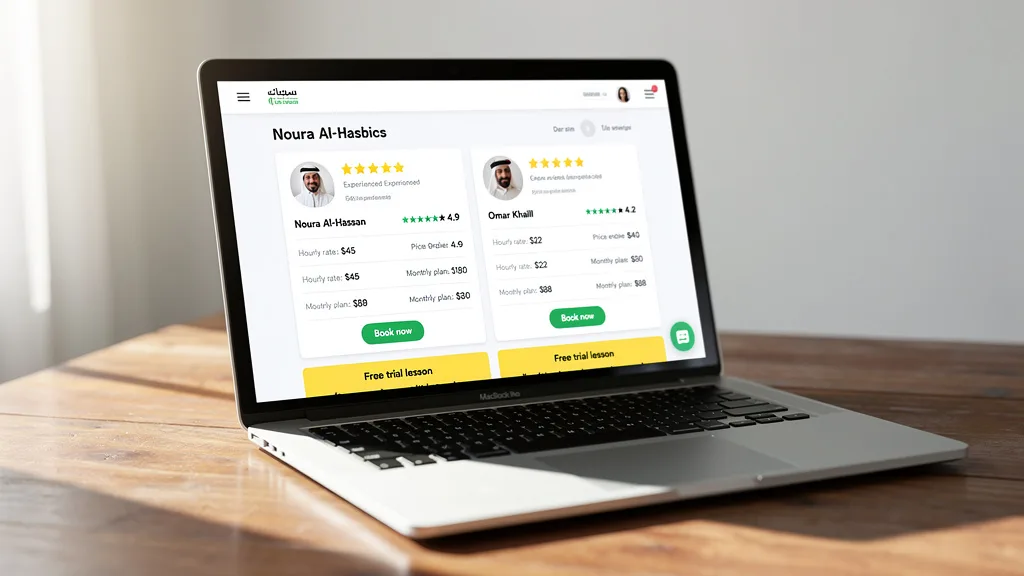
Group classes offer a more budget-friendly alternative. These can range from $50 to $150 per month for weekly sessions, depending on the class size and platform. While less personalized, they provide a structured learning environment and interaction with fellow students. Ultimately, your monthly cost is a direct result of the learning intensity you choose, from a casual weekly practice to a more serious daily commitment.
Key Factors That Determine Arabic Class Pricing
Several key variables influence the final price tag of your Arabic language education. Understanding these factors will empower you to find a solution that balances quality with your specific budget. From the format of the lesson to the teacher's background, each element plays a role in the overall cost.
Group vs. Private Lessons: A Price Comparison
The most significant price differentiator is the choice between group and private lessons. Group classes are the more economical option, as the cost of the tutor's time is shared among several students. This format is excellent for learners who thrive on social interaction and are comfortable with a standardized curriculum. However, you will receive less individual attention from the instructor.
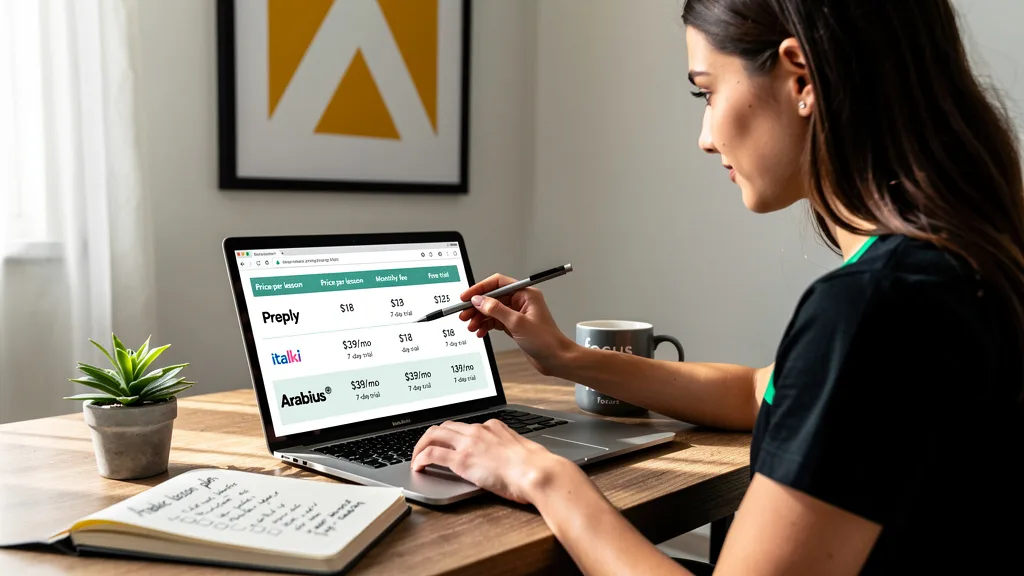
Private, one-on-one lessons command a higher price but offer unparalleled value in terms of personalization. Your tutor can tailor the entire curriculum to your specific goals, whether it's for business, travel, or understanding the Quran. This format allows you to learn at your own pace, ask questions freely, and receive immediate, focused feedback. For learners with specific needs, such as sisters seeking online Quran classes for females, the privacy and tailored approach of a one-on-one setting are invaluable.
Tutor Experience and Qualifications
A tutor's background, experience, and qualifications heavily impact their hourly rate. A university student offering conversational practice will naturally charge less than a certified language instructor with a decade of teaching experience and a degree in Arabic linguistics. Tutors with specialized knowledge, such as teaching Modern Standard Arabic (MSA), a specific dialect, or Tajweed for Quranic recitation, can also command higher fees.
When evaluating a tutor, consider their credentials. Look for certifications, educational background, and reviews from other students. A more expensive, highly qualified teacher can often help you progress faster, potentially saving you money in the long run by reducing the total number of hours needed to reach your goal. This is especially true for complex subjects like Quranic Arabic.
Lesson Frequency and Package Deals
Most online tutors and language platforms incentivize commitment by offering discounts for bulk purchases. A single, pay-as-you-go lesson will almost always have the highest per-hour cost. Conversely, purchasing a package of 5, 10, or 20 hours at once can often reduce the hourly rate by 10-25%.
Similarly, subscribing to a monthly plan with a set number of lessons per week is typically more cost-effective than booking lessons individually. This model benefits both the student, who gets a better price and a consistent learning schedule, and the tutor, who secures a stable income. Before committing to a large package, it's wise to take a trial lesson to ensure the tutor is a good fit for your learning style.
Arabic Tutor Platform Costs: Preply vs. italki vs. Arabius
Navigating the various online platforms can be confusing, as each has a unique pricing structure. Preply, italki, and Arabius are three popular options, but they cater to different needs and budgets. Understanding their models is key to choosing the right one for your Arabic learning journey.
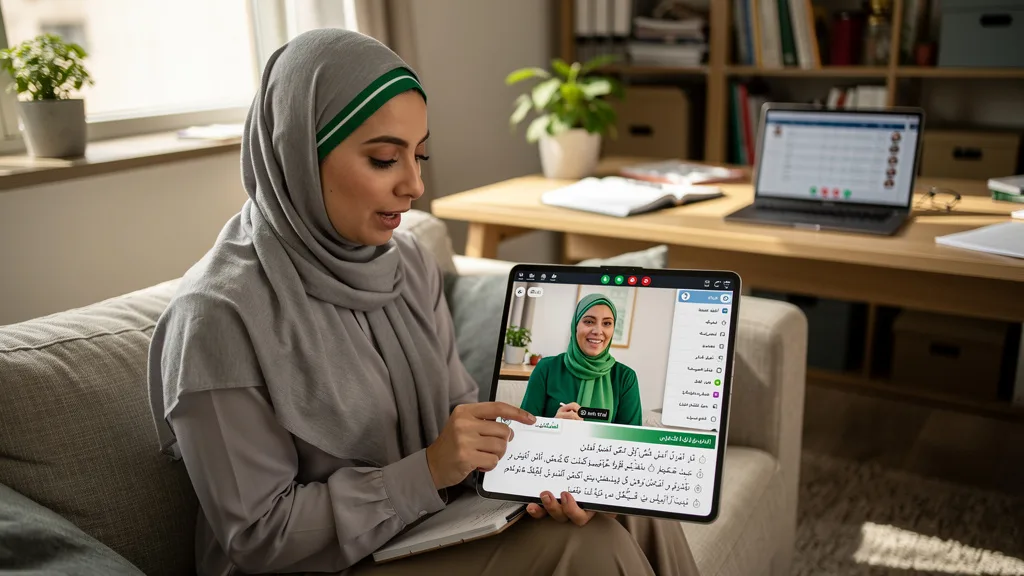
| Platform | Pricing Model | Typical Arabic Tutor Rate (per hour) | Best For |
|---|---|---|---|
| Preply | Monthly subscription (hours) | $10 - $35 | Consistent weekly lessons with one tutor. |
| italki | Pay-per-lesson (credits) | $12 - $40 | Flexibility and trying different tutors. |
| Arabius | Program-based subscription | N/A (part of program fee) | Structured, curriculum-driven learning. |
Pricing Model for Preply Arabic Tutors
Preply operates on a subscription model. After taking a trial lesson with a tutor, you subscribe to a plan of 4, 8, 12, or 20 hours per month. The funds are charged upfront, and you schedule your lessons weekly. This model is designed for students seeking consistency with a single tutor.
The price is set by the individual tutor and can range from as low as $10 per hour for a community tutor to over $35 for a professional instructor. The platform's structure encourages a steady learning rhythm, which can be highly effective for language acquisition. However, it offers less flexibility if you want to switch tutors frequently or have an irregular schedule.
italki offers more flexibility with its pay-per-lesson model. You buy platform credits and use them to book individual lessons with any tutor you choose. This allows you to try different teachers, styles, and dialects without a monthly commitment. Prices are set by the tutors and are very competitive, often ranging from $12 to $40 per hour for professional teachers.
This platform is ideal for learners who want control over their schedule or wish to supplement other studies with conversational practice. Many tutors also offer discounted trial lessons, making it a low-risk way to find the right instructor. The a la carte approach means you only pay for what you use, which can be beneficial for those with fluctuating budgets.
Pricing Model for Arabius Arabic Programs
Arabius takes a different approach, focusing on structured, program-based learning rather than an open marketplace of tutors. They offer comprehensive programs designed to take you from one proficiency level to the next. The cost is typically a flat fee for the entire program or a recurring subscription that grants access to their curriculum, live classes, and learning materials.
This model is best for students who want a clear path and a curriculum designed by experts. It removes the guesswork of planning your own lessons. While the upfront investment might seem higher than a single lesson on other platforms, it can offer significant value by providing a complete and cohesive learning experience, often for a specific dialect like Gulf or Egyptian Arabic.
Finding Free Trials for Arabic Learning Platforms
Free trials are an essential tool for managing your Arabic classes cost and ensuring you find the right fit before making a financial commitment. Most reputable online language platforms and private academies understand the importance of the student-teacher connection and offer a trial session, often for free or at a significantly reduced price. These sessions typically last 30 minutes and are a perfect opportunity to assess the tutor's teaching style, check for technical issues, and discuss your learning goals.
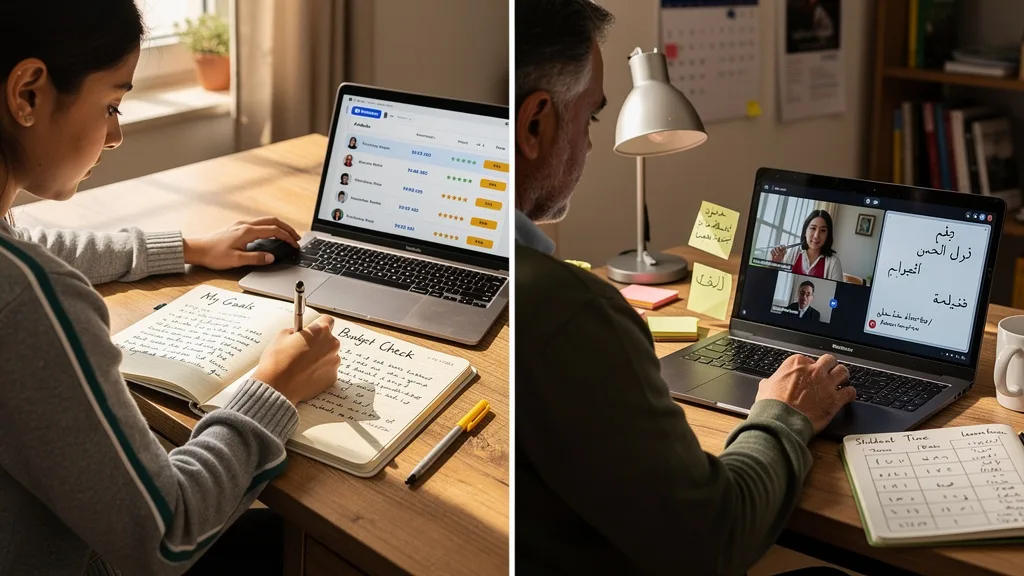
To find these offers, look for a "Book a Trial" or "Free Lesson" button prominently displayed on a tutor's profile or an academy's website. Don't be shy about using them. A trial is a two-way interview. It's your chance to see if the tutor's personality and methods resonate with you. For specialized learning, like Quranic studies, it's crucial to ensure the teacher's approach aligns with your values. Understanding what a free trial for Quran classes truly entails can help you make the most of this opportunity.
"In 2026, a free trial is not just a bonus; it's a fundamental part of the selection process. It mitigates the financial risk and ensures that the investment you make in your Arabic education, whether large or small, is a sound one."
How to Find a Qualified Arabic Tutor Within Your Budget
Finding a qualified Arabic tutor who doesn't break the bank is entirely possible with a strategic approach. The first step is to clearly define your learning objectives. Are you aiming for conversational fluency in a specific dialect, or do you need to learn Classical Arabic for religious texts? A tutor specializing in Quranic Arabic may have different qualifications and costs than one teaching the Egyptian dialect for tourism. Knowing your goal narrows the search and clarifies the type of expertise you need.
Next, use the filter functions on tutor marketplaces to your advantage. You can sort tutors by price, specialty, country of origin, and student reviews. Tutors based in countries with a lower cost of living often offer more competitive rates without compromising on quality. Finally, always schedule a trial lesson. This is the ultimate test to see if the tutor's teaching style, personality, and technical setup meet your expectations before you commit to a package of lessons.
Budgeting to Become Conversational in Arabic
Budgeting to become conversational in Arabic requires a realistic understanding of the time and financial commitment involved. According to the U.S. Foreign Service Institute (FSI), Arabic is a Category IV language, meaning it's one of the most difficult for native English speakers to learn. The FSI estimates it takes approximately 2,200 class hours to reach professional working proficiency.
For the average learner aiming for conversational fluency (a B1/B2 level on the CEFR scale), a more realistic goal might be 400-600 hours of active study and practice. If your tutor costs $25 per hour and you take two lessons per week, you're looking at a monthly cost of around $200. To reach 400 hours, you would need to budget this amount for approximately four years. However, you can accelerate this by supplementing with self-study, language apps, and media consumption, which can reduce the number of paid tutoring hours required.
Key Takeaways
Navigating the cost of online Arabic classes can be simple when you know what to look for. Here are the key points to remember as you plan your learning journey in 2026:
- Price Range is Wide: Monthly costs for online Arabic classes can range from $80 to over $500, depending on lesson type and frequency. Private tutors typically charge $10-$40 per hour.
- Key Cost Factors: The price is primarily determined by whether you choose private or group lessons, the tutor's experience and qualifications, and the number of lessons you purchase at once.
- Platform Models Vary: Platforms like Preply use a subscription model, italki is pay-per-lesson, and Arabius offers structured programs. Choose the one that matches your learning style and budget.
- Leverage Free Trials: Always start with a trial lesson. It's a risk-free way to assess a tutor's compatibility before committing financially. Exploring how to prepare for a trial class can maximize its value.
- Budget Realistically: Becoming conversational takes time and investment. Plan for a long-term budget, but supplement with free resources to make your learning more efficient and cost-effective.
Frequently Asked Questions
Here are answers to some common questions about the cost and value of online Arabic classes.
What are the best value Arabic learning platforms in 2026?
The best value platform depends entirely on your learning style and goals. For learners seeking flexibility and the ability to try many different tutors for various dialects, italki often provides the best value due to its pay-per-lesson model and wide range of tutor prices. You can find highly qualified tutors for as low as $12-15 per hour.
For those who thrive on consistency and want to build a relationship with a single tutor, Preply's subscription model can be a great value, as it encourages a regular learning schedule. For absolute beginners who feel overwhelmed and want a completely guided path, a structured program like those offered by Arabius or a dedicated academy might represent the best long-term value, even if the initial cost is higher.
Are expensive Arabic immersion programs worth the cost?
Expensive immersion programs, whether online or abroad, can be worth the cost if your goal is rapid fluency and you have the time and financial resources. These programs create an intense, all-encompassing language environment that is difficult to replicate on your own. The high cost often covers not just expert instruction but also a meticulously designed curriculum, cultural activities, and interaction with native speakers.
However, they are not the only path to fluency. A dedicated learner can achieve similar results over a longer period with a consistent, more affordable plan using online tutors and self-study. The key is whether the high-intensity, structured environment of an immersion program is a necessary catalyst for your personal learning style.
What are the most affordable ways to learn an Arabic dialect online?
The most affordable ways to learn an Arabic dialect involve a combination of self-study and strategic use of paid resources. Start with free resources like YouTube channels dedicated to specific dialects (e.g., Egyptian, Levantine), language exchange apps (like Tandem or HelloTalk) where you can practice with native speakers for free, and mobile apps that have dialect-specific content.
When you are ready for instruction, seek out community tutors on platforms like italki. These are often native speakers without formal teaching certificates who offer conversational practice at a much lower hourly rate, sometimes under $10 per hour. This combination allows you to build a strong foundation for free and then refine your speaking skills affordably.
Are there hidden costs to consider with online Arabic classes?
Yes, there can be hidden or additional costs to factor into your budget. Some platforms charge a commission or processing fee on top of the tutor's listed rate. You might also need to purchase materials like textbooks, workbooks, or access to a specific learning app that your tutor uses, which may not be included in the lesson price.
Another consideration is currency conversion fees if you are paying in a currency different from your own. It's also wise to check the platform's cancellation policy; some may charge you for a lesson if you cancel with less than 24 hours' notice. Always read the terms and conditions of the platform and ask your tutor about required materials during the trial lesson to avoid surprises.
How does learning a specific Arabic dialect affect the price?
The specific Arabic dialect you choose to learn can affect the price, primarily based on the availability of tutors for that dialect. Tutors for more widely spoken and taught dialects, like Egyptian, Levantine (spoken in Lebanon, Syria, Jordan), and Modern Standard Arabic (MSA), are abundant. This competition can lead to more competitive pricing.
Conversely, if you want to learn a less common dialect, such as Yemeni, Sudanese, or a specific North African variant (Maghrebi), you may find fewer tutors available. This lower supply can sometimes lead to higher hourly rates. However, the price difference is usually not drastic and finding a specialist who can teach you your target dialect accurately is a worthwhile investment.
Conclusion
Understanding the factors that influence the Arabic classes cost is the first step toward making an informed decision for your education in 2026. By balancing tutor qualifications, lesson format, and platform choice, you can build a personalized learning plan that respects your budget. Remember to utilize free trials to ensure a good fit, and you'll be on a clear and affordable path to achieving your Arabic language goals.
At Hidayah Quran Academy, we specialize in providing a supportive, one-on-one learning environment with qualified female teachers, perfect for sisters, children, and beginners focusing on Quranic Arabic. If you're ready to take the next step in a private and respectful setting, we invite you to experience our approach. You can schedule a complimentary 30-minute trial session to meet your teacher and discuss your goals. Book Free Trial.