

The 5 Common Mistakes When Praying Salatul Hajat are skipping the check for ritual purity, rushing through bowing and prostration, treating particular surahs as compulsory, leaving your specific need out of your dua, and expecting a guaranteed result. One practical benchmark comes from the hadith on praying calmly: settle in each of four positions, including the standing and sitting that follow bowing and prostration.
Salatul Hajat is a voluntary prayer associated with asking for Allah’s help with a need. If you follow the commonly taught two-rak‘ah practice, prepare as you would for other salah, complete the movements calmly, and make dua for what concerns you. If you’ve learned different instructions for the recitation or wording, ask a teacher which details your school of law requires.
Praying Salatul Hajat Without Checking Ritual Purity
Before you begin, check that you are in a state of ritual purity and that your clothing, body, and place of prayer meet the requirements for salah. If something has invalidated your wudu, renew it before praying. If you are in a state that requires ghusl, follow the relevant purification rules before you start. The basis for these rules appears in the Quran verse on purification.
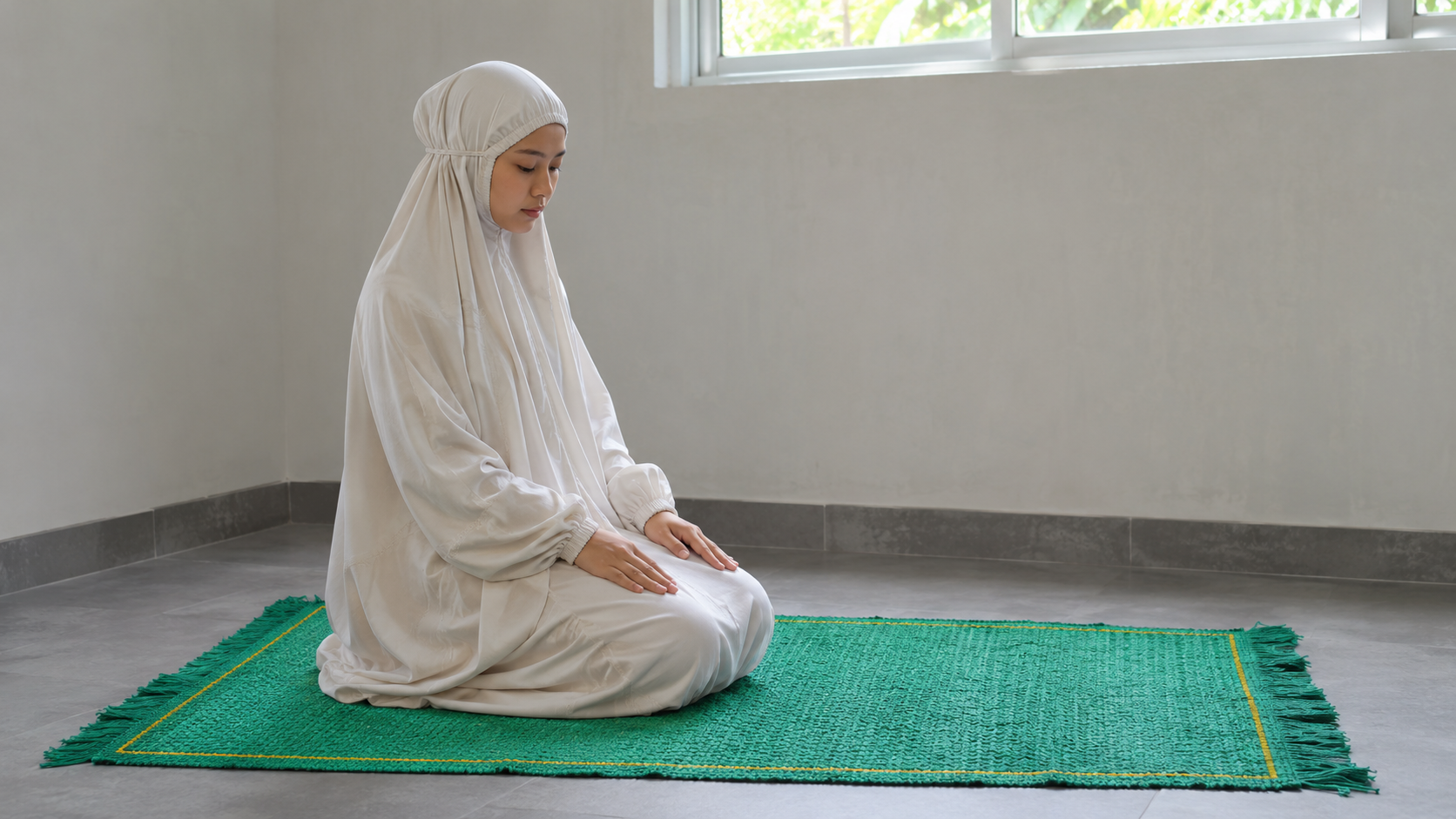
If you know you made wudu and later have only a passing doubt about whether you broke it, you can generally rely on what you know with certainty. If you remember an event that invalidated it, renew it. Give yourself enough time to prepare, especially if you tend to start praying just before another commitment. You can review the order of the prayer in our Salatul Hajat practice guide.
Rushing Through Bowing and Prostration
Let your body settle in ruku and sujud, and give the standing and sitting between those movements the same attention. After bowing, rise fully before moving down into prostration. Between the two prostrations, sit upright briefly before lowering yourself again. These pauses are part of the instruction in the hadith on praying calmly.
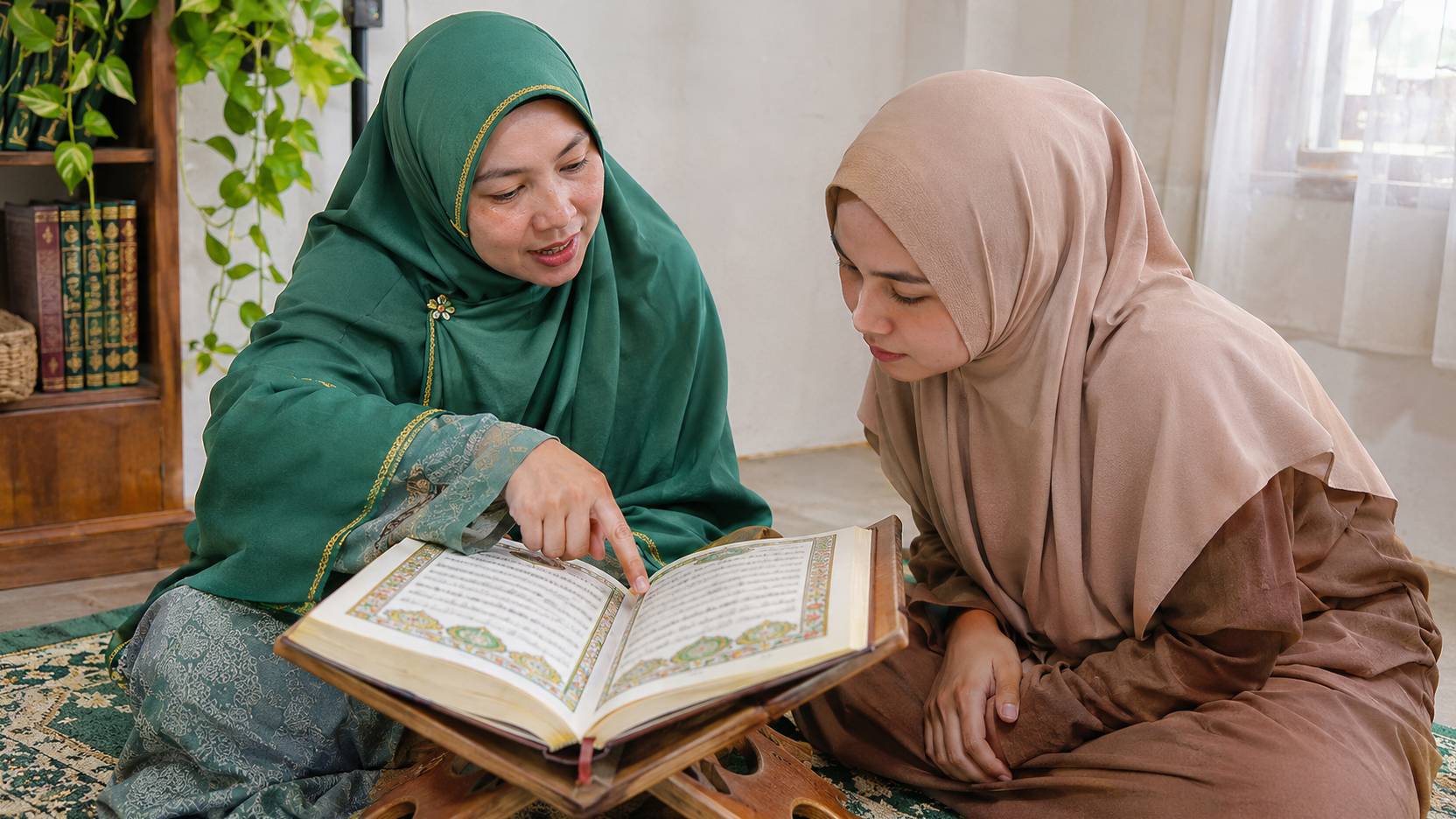
If your mind is fixed on the request you plan to make afterward, you may catch yourself moving before you have finished the remembrance for that position. Take a moment to notice where you tend to hurry. If it is the transition after bowing, focus on standing fully upright in each rak‘ah. If you tend to rush the second prostration, pay attention to the sitting just before it.
Treating Specific Surahs as Mandatory
You do not need to treat a named pairing of surahs as a condition for Salatul Hajat. Follow the recitation rules for voluntary salah as taught in your school of law, including what to recite with Surah Al Fatihah. If you are still learning to read Arabic, ask a teacher how to apply those rules at your current level. That gives you a practical starting point based on what you already know. relevant purification rules.
You may come across instructions that pair Surah Al Ikhlas with another short surah or suggest reciting a passage a set number of times. Before treating a suggested pattern as a requirement, ask where it comes from and how the teacher understands its status. Scholars differ over the strength of the narration commonly cited for the named prayer and over some details of its practice. If your teacher recommends a particular method, ask which details apply to every voluntary salah and which belong to that method.
Overlooking Dua for Your Specific Need
Make your dua for a specific need clear enough that it expresses what you actually want help with. After completing the prayer, you can ask Allah in words you understand and name the situation that brought you to pray. If you are facing a difficult discussion, you might ask for patience, clear speech, and a fair outcome. For help putting your request into words, see our guide to Hajat dua.
General prayers for ease and goodness are meaningful, and you can include them alongside a more personal request. If several things are worrying you, begin with the one you can explain most clearly. You can ask for the outcome you hope for and for help handling whatever follows. If you have questions about the wording or language of a dua made within salah, ask your teacher about the rules for that part of the prayer.
Expecting a Guaranteed Outcome From Prayer
Salatul Hajat is a way to seek Allah’s assistance without assuming your request will be granted in the form or on the timeline you have in mind. You can hope for a specific result while accepting that you have limited knowledge of how events will unfold. The Quran verse about supplication speaks of Allah’s nearness and response to those who call on Him. A delay alone gives you no basis for judging whether you performed the prayer properly.
Let your dua and your practical efforts address the same concern. If you are asking for ease in resolving a disagreement, for example, the next step could be arranging a time to speak privately or seeking advice from someone both parties trust. If you find yourself repeating the prayer, you can continue making dua without setting a number of repetitions as the price of receiving what you asked for. Revisit the practical options available to you as the situation changes. ruku and sujud.
Key Takeaways
Check your preparation before salah, your pace during it, and the focus of your dua afterward. These checks help you spot where a mistake may happen so you can address it directly. Pay particular attention when a set recitation pattern, fixed number of repetitions, or promise of a specific result is presented as part of the practice. Quran verse on purification.
If you are still learning the movements, focus first on an unhurried rak‘ah and notice where you tend to move too quickly. Ask your teacher about any rule you find unclear, especially when it affects whether the prayer is valid. Keep your personal dua simple enough to say in your own words after you finish.
| Common mistake | What to do |
|---|---|
| Skipping the purity check | Confirm your wudu and check your clothing and prayer space. |
| Rushing the movements | Settle fully in each position before moving on. |
| Requiring a particular surah | Follow the regular recitation rules you have learned for voluntary salah. |
| Leaving your need unstated | Name the concern and ask Allah for the help you seek. |
| Expecting a guaranteed result | Make dua with hope and take the practical steps available to you. |
- Before salah, pause long enough to check your preparation.
- During salah, give extra attention to the position you usually rush.
- After salah, make dua and choose one action you can take.
“As you review the 5 Common Mistakes When Praying Salatul Hajat, ask yourself where you need the most practice. Start there the next time you pray.”
Frequently Asked Questions
Can you pray Salatul Hajat after Isha?
You can apply the rules of voluntary salah to common questions about timing, mistakes, and particular requests. Begin by identifying the type of prayer you are performing and what you intend to ask for. That will help you decide which rules are relevant.
What should you do if you make a mistake during prayer?
When asking a teacher about an error, describe what happened and when you noticed it. For a timing question, use the local prayer timetable for your location. Those details can affect the answer you receive.
Are you supposed to pray five times a day?
Yes, you can generally pray Salatul Hajat after completing your obligatory Isha prayer. This falls within the usual time for voluntary night prayer. Check your local prayer timetable if you plan to pray close to dawn.
Can you pray Salatul Hajat for marriage?
You can also make your request later in the night. If you already pray Tahajjud, you may want to make dua then. Our guide to Hajat prayer after Tahajjud discusses how the two practices relate.
The correction depends on what you missed or added and when you noticed. Some mistakes call for sujud al sahw, the prostrations of forgetfulness. A missed essential act may need to be completed or the affected prayer repeated.
If you are unsure, tell a teacher exactly what happened. Include which rak‘ah you were in and whether you noticed before or after ending the prayer. Ask for the ruling in the school you follow.
Yes. The five daily obligatory prayers for Muslims required to perform them are Fajr, Dhuhr, Asr, Maghrib, and Isha. Each has a prescribed time in the daily schedule.
Use a local timetable if you are learning when to pray them. Give those five prayers priority as you build your routine. You can add the voluntary prayer of need when you have a particular concern.
Yes, you can pray Salatul Hajat and ask Allah for a good marriage or ease with a particular marriage concern. You can ask for a suitable spouse, clarity in your conversations, and goodness for everyone involved.
If you are deciding whether to proceed with a specific proposal, you can also learn to pray Istikhara. It is a prayer for guidance in a decision. Take time to ask questions and consult people you trust as you consider the proposal.
Conclusion
You can avoid the 5 Common Mistakes When Praying Salatul Hajat by checking your wudu, giving each movement time, and asking Allah directly for what you need. Follow the recitation rules you have learned and leave room for your request to be answered in ways you did not expect. This week, choose one point you want to improve and give it your attention the next time you pray.
Hidayah Quran Academy offers private Quran classes for sisters, children, and adult beginners with a qualified female teacher. In your free 30 minute trial over Zoom or WhatsApp, you can meet the teacher, discuss what you or your child would like to learn, and try a lesson at your level. Book Free Trial.