

If you wake before Fajr with a serious need, should you pray Tahajjud, offer Salatul Hajat, or simply make dua? Tahajjud is a voluntary night prayer, while Salatul Hajat is a voluntary prayer associated with asking Allah for help with a specific need. You can bring that need to Allah during your night worship, even if you choose to offer only Tahajjud.
The Salatul Hajat vs Tahajjud Key Differences come down to timing, purpose, and evidence. Tahajjud is offered after Isha and before Fajr, with the last third of the night especially encouraged for supplication. Salatul Hajat has no firmly established special hour, and a commonly cited narration for its specific form is graded weak. You can make dua for your need after Tahajjud without adding a separate prayer.
Salatul Hajat, also written Salat al Hajat or Salat al Hajah, means the prayer of need. If you follow the practice, you offer voluntary salah and ask Allah for help with a particular concern. That concern might be spiritual, such as staying consistent in worship, or practical, such as finding work that allows you to support your family. The Salatul Hajat prayer guide gives more context for readers encountering the term for the first time.
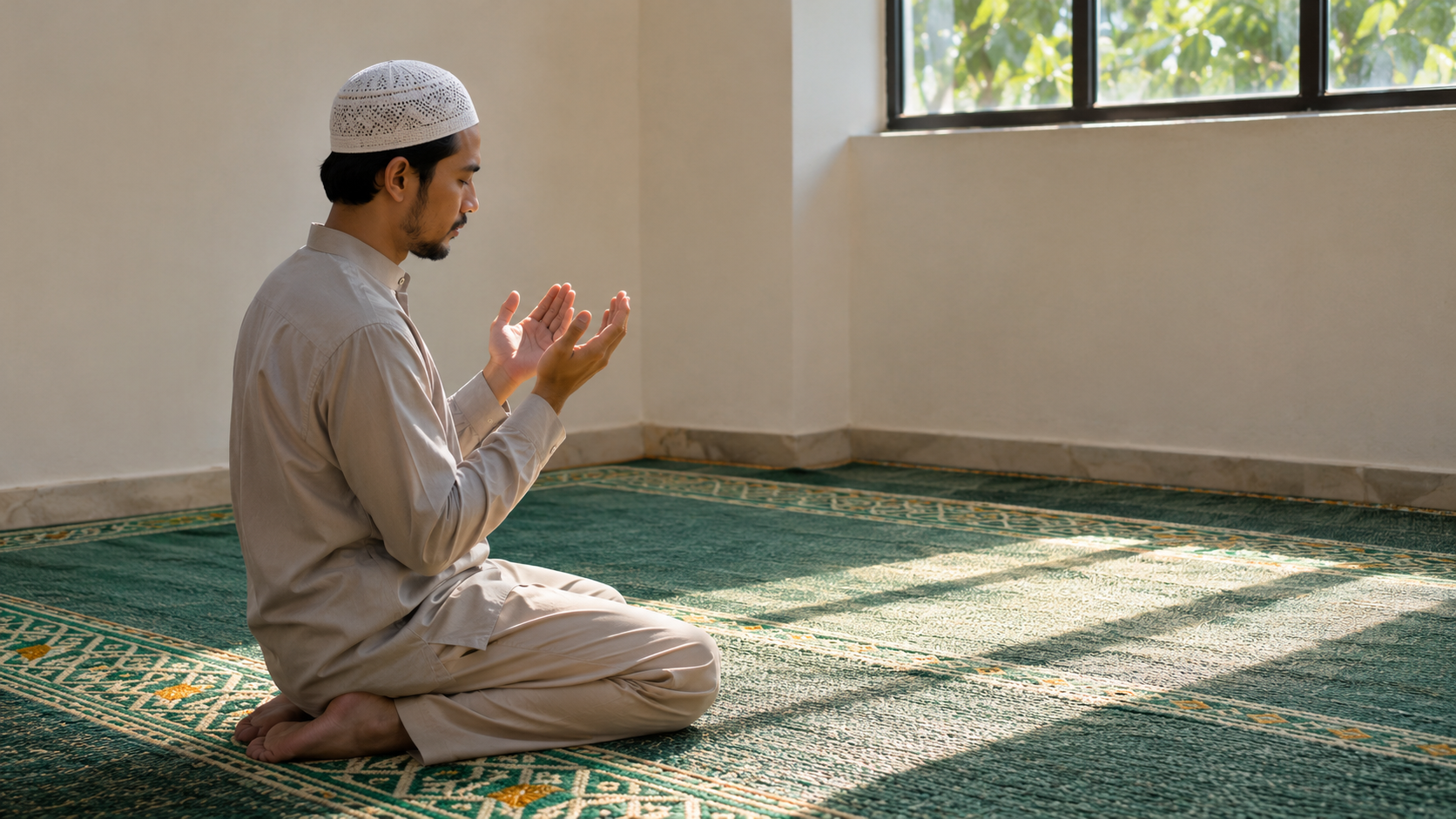
The authenticity question concerns the evidence for a distinct ritual with a prescribed form. Jami’ at-Tirmidhi 479 describes making wudu, praying two rak‘ahs, praising Allah, and sending blessings upon the Prophet before reciting a supplication. The published edition grades the narration da‘if, or weak, and al-Tirmidhi himself notes a problem with the chain. Scholars differ over whether to recommend the named prayer on the available evidence, so treat the reported wording and sequence with that distinction in mind. Read the reported narration.
| Aspect | Salatul Hajat | Tahajjud |
|---|---|---|
| What prompts it | You have a particular need and wish to ask Allah for help. | You want to worship Allah at night and may include any personal request. |
| Prayer window | A time when voluntary salah is permitted, if you follow the practice. | After Isha and before Fajr, commonly after sleeping and waking. |
| Evidence | A commonly cited hadith for its specific form is weak, and scholarly practice varies. | Night worship is established in the Quran and authentic hadith. |
Why Salatul Hajat Matters in 2026
Salatul Hajat gives you a way to pause, worship, and ask Allah for help when a particular need weighs on you. Naming the concern can help you be more deliberate in your dua, whether you are asking for steadiness through a family difficulty or clarity about a decision. You can ask for a specific outcome and also ask for patience, wisdom, and a good outcome if events unfold differently. That gives your supplication room for both your immediate concern and your spiritual growth.
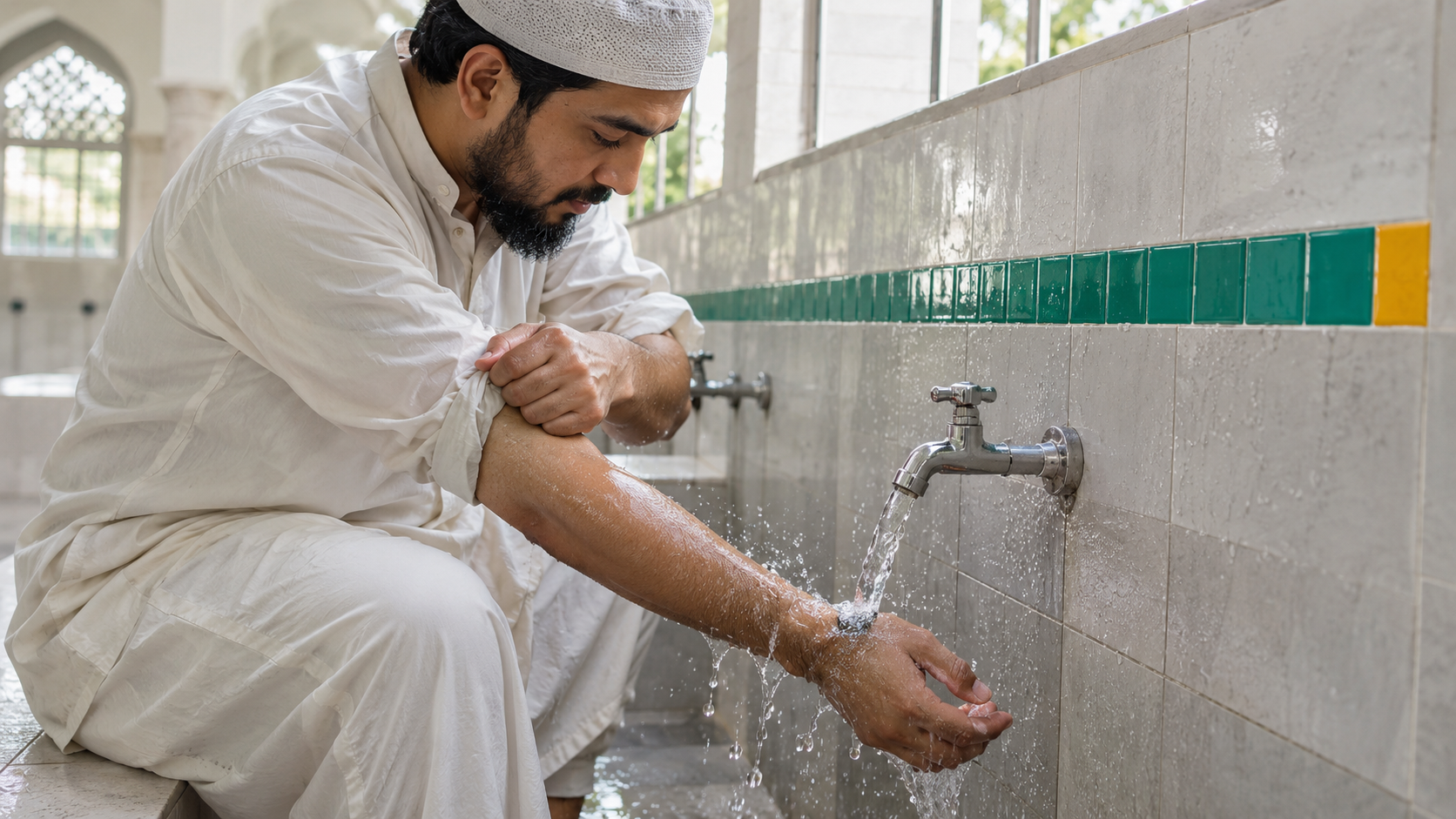
If you wonder which prayer is more powerful, the clearest comparison concerns evidence and timing. Tahajjud has stronger textual support as an established form of night worship, and a request for a specific need fits naturally within it. Surah Al Isra 17:79 addresses the Prophet Muhammad and speaks of rising for additional prayer at night. You can use that time to seek forgiveness and bring a pressing concern to Allah in the same session. Read the Quranic verse.
“Is there anyone seeking My forgiveness, so that I may forgive him?”
How to Get Started with Salatul Hajat
To get started with Salatul Hajat, choose a permitted time, make wudu, and offer two voluntary rak‘ahs if you follow the scholarly view that recommends the practice. Pray the units as you normally pray voluntary salah. After finishing, you can praise Allah, send blessings upon the Prophet, and ask for your need. If you are looking for words to begin with, use the prayer of need supplication guide alongside the guidance of your teacher.
You can make dua for your need after Tahajjud, and if you follow the view that recommends Salatul Hajat, you can also offer a separate voluntary prayer before Fajr begins. If time is short, finish the night prayer you started and make your request in dua. If you still intend to pray Witr, leave time for it before Fajr and follow the practice you have learned for closing your night prayers. See the guide to praying both for a closer look at the sequence.
- Be specific about what you are asking Allah to help you with.
- Check your local prayer times before beginning voluntary salah.
- Make wudu and pray two units if you follow the practice.
- Make dua for your need and ask for what is best for you.
Best Practices for Salatul Hajat
Choose a permitted time when you can pray attentively, since no specific hour is firmly established for Salatul Hajat itself. If you want to combine your request with voluntary night prayer, the last third of the night is especially encouraged for dua. To estimate its start, measure the time from local Maghrib to Fajr, divide it by three, and count back one third from Fajr. For a nine hour night ending at 5:30 a.m., the final third begins at 2:30 a.m.
Keep your request specific enough to remember and simple enough to make sincerely. If you are worried about a job interview, for example, you might ask for clarity in your answers and for work that is good for you and your family. If you are learning how to perform Tahajjud, you can begin with two units. Sahih al-Bukhari 990 describes offering night prayer in pairs and discusses Witr as dawn approaches. Read the night prayer hadith.
Common Mistakes to Avoid
Keep voluntary prayers within permitted times, and give the five obligatory prayers priority when your schedule is tight. In particular, check the guidance you follow on voluntary salah around sunrise, solar noon, sunset, and after the Fajr and Asr prayers. If you are unsure whether you can offer extra salah at a particular time, you can still make dua when the need arises. Near dawn, allow enough time to complete your night prayer before Fajr begins and offer Fajr in its own window. seek forgiveness.
Treat a fixed number of repetitions, a specific recitation, and any promise of a particular outcome as separate claims that each need evidence. A recording can help you learn pronunciation, and a written supplication can help you find words for what you need. If a teacher recommends a particular practice, ask which narration or scholarly opinion it follows so you understand its basis. Give yourself room to ask in plain language after prayer, especially when you are worried and finding it hard to concentrate.
Key Takeaways
Your immediate need can guide what you do next. If the concern comes up in the middle of the day, you can make dua then and decide later whether to offer an additional prayer at a permitted time. If you are already awake before Fajr and want to add voluntary worship, you can pray Tahajjud and include the same request. Both situations leave room to ask for forgiveness, patience, or guidance as well as the specific help you need.
Decide how much time you realistically have before you set an alarm for night prayer. If you have only a few minutes, leave enough time to complete two units calmly and make your dua. If you expect an interrupted night or an early start, you can make your request before sleeping and try a longer night prayer when your schedule allows. A manageable plan helps you give your attention to the prayer and keep your commitments the next morning. Read the Quranic verse.
Conclusion
In practice, the Salatul Hajat vs Tahajjud Key Differences help you decide when to pray and what to ask for. Choose Tahajjud for established night worship, and bring your specific need to Allah in dua whether or not you add a separate prayer. If you follow a scholarly view that recommends Salatul Hajat, choose a permitted time and learn the form from a teacher you trust. This week, pick one concern, check your local Fajr time, and set aside a few quiet minutes to pray and make dua.
If you are learning how voluntary prayers fit into your worship, a trial lesson gives you a chance to bring your questions to a teacher. Use the contact page to ask about arranging a session and tell the team whether you want help with prayer timing, recitation, or making dua. Book Free Trial
If you want help turning this into a concrete plan for your site or team, take the next step below to apply Salatul Hajat vs Tahajjud Key Differences with confidence.
Ready to act on Salatul Hajat vs Tahajjud Key Differences? Book Free Trial — tell us your goal, and we will help you pick the highest-leverage next step so you are not guessing alone.