

Are you a new Muslim wondering how to begin your journey with the Quran? The path can seem daunting, but with the right guidance, it becomes a beautiful and transformative experience. An experienced teacher is the key to unlocking the wisdom and beauty of the Quran, providing not just knowledge but also the support and encouragement needed along the way.
Experienced teachers guide reverts in Quran studies by creating a supportive, patient environment and using a structured, step-by-step curriculum. They begin with foundational skills like the Arabic alphabet, gradually introduce Tajweed rules, and focus on short, meaningful surahs. This approach builds confidence, ensures a deep understanding, and helps new Muslims overcome common challenges like language barriers and feelings of being overwhelmed, fostering a lifelong connection to the scripture.
The Foundational Role of a Teacher in Guiding New Muslims
For anyone reverting to Islam, the Quran is the central source of guidance, comfort, and connection to Allah. However, approaching it for the first time without a guide can be overwhelming. A qualified teacher acts as a vital bridge, transforming a complex text into an accessible and personal journey. They provide the structure, context, and personalized feedback that self-study often lacks, ensuring that you build a solid foundation from the very beginning.

The role of a teacher extends beyond academic instruction. They serve as mentors who understand the unique spiritual and emotional needs of a new Muslim. They can answer sensitive questions, provide encouragement during moments of difficulty, and celebrate milestones with you. This mentorship is crucial in helping reverts feel integrated into the Muslim community and confident in their new faith. A teacher's guidance ensures that your first steps in Quranic education are steady, correct, and spiritually fulfilling.
Creating a Welcoming and Supportive Learning Environment
The initial learning environment significantly impacts a revert's relationship with the Quran. A great teacher prioritizes creating a space that is free from judgment and full of encouragement. This safe space allows you to ask any question, no matter how basic, and to practice without fear of making mistakes. It is within this supportive atmosphere that a genuine love for learning the Quran can blossom.
Building Trust and Establishing a Patient Pace
Trust is the cornerstone of the teacher-student relationship. An experienced teacher builds this by demonstrating empathy, listening to your concerns, and showing genuine care for your progress. They understand that every student learns differently and will establish a pace that is comfortable for you. There is no rush in this journey, and a patient teacher ensures you master each concept before moving on to the next, preventing frustration and burnout.
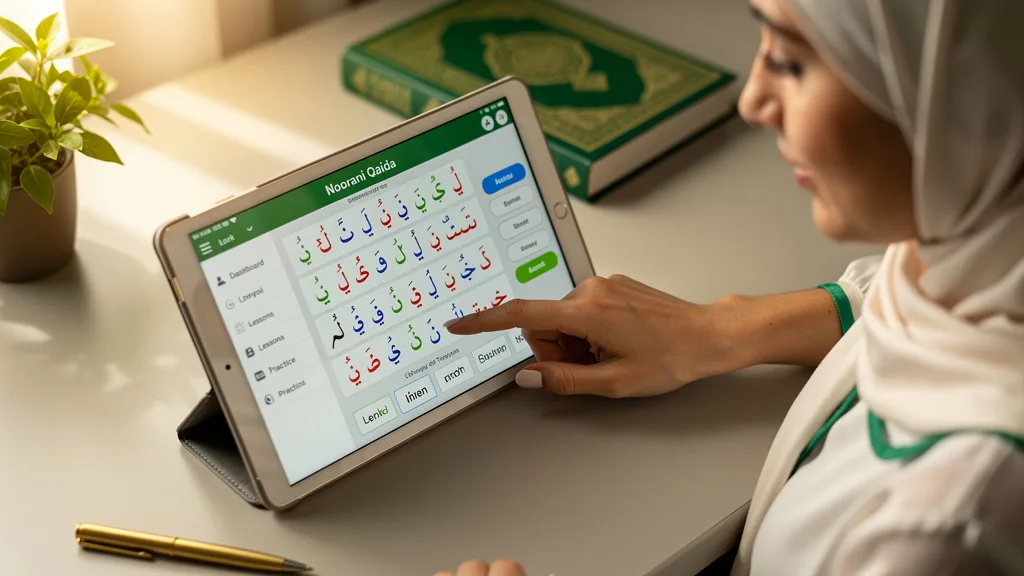
Patience is particularly important when learning a new language and complex spiritual concepts simultaneously. Your teacher will break down lessons into manageable parts, offering consistent positive reinforcement. This methodical and unhurried approach builds your confidence and reinforces the idea that learning the Quran is a lifelong journey of discovery, not a race to the finish line.
Assessing the Student's Unique Background and Goals
Every revert comes with a unique background, learning style, and set of personal goals. A skilled teacher begins by getting to know you. They will ask about your previous exposure to Arabic or other languages, your personal reasons for wanting to learn the Quran, and what you hope to achieve. This initial assessment allows the teacher to tailor the curriculum specifically to your needs.
For example, a student who wants to quickly learn to perform Salah correctly will have a different starting point than someone whose primary goal is to understand the Quran's meaning in depth. By aligning the lessons with your personal goals, the teacher makes the learning process more relevant and motivating. This personalized approach is a hallmark of effective teaching and is something we prioritize in our Quran classes for sisters.
Setting Realistic Expectations for the Learning Journey
Enthusiasm is wonderful, but it can sometimes lead to unrealistic expectations. An experienced teacher helps you set achievable short-term and long-term goals. They will explain that mastery of the Quran takes time, dedication, and consistent effort. This helps prevent the discouragement that can arise when progress feels slow.
Your teacher will help you map out a realistic timeline, celebrating small victories along the way. Whether it's mastering a new letter, correctly reciting a short verse, or understanding a key concept, acknowledging these achievements builds momentum and keeps you motivated. This balanced perspective is crucial for sustaining a long-term commitment to Quranic studies.
A Structured Approach to Teaching the Quran to Reverts
A systematic, step-by-step method is essential for teaching the Quran effectively, especially to beginners. Experienced teachers follow a proven curriculum that builds skills logically, ensuring a solid foundation before moving to more complex topics. This structure removes the guesswork for the student and provides a clear path forward, making the entire process feel manageable and organized.
Starting with the Arabic Alphabet and Basic Pronunciation
The journey of reading the Quran begins with its building blocks: the Arabic alphabet. A teacher will start with recognizing, pronouncing, and writing the 28 Arabic letters. They focus on the correct articulation points (makharij) for each letter, as this is fundamental to proper recitation. Tools like the Noorani Qaida are often used in this phase to provide a systematic introduction to phonetics and letter shapes.
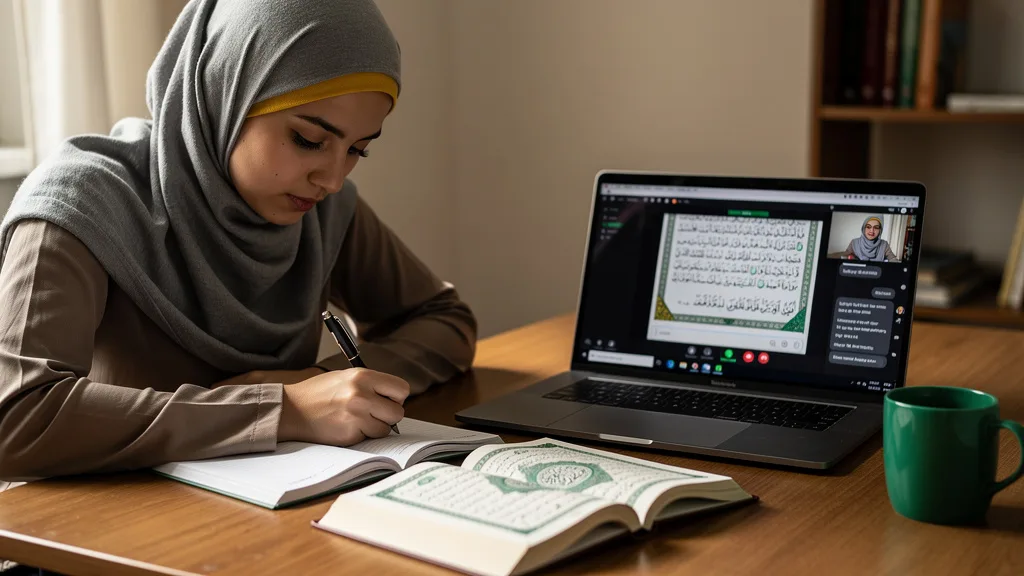
This foundational stage is critical and should not be rushed. Using interactive methods, repetition, and personalized feedback, the teacher ensures you are comfortable with the basics before you begin joining letters to form words. Mastering the alphabet correctly from the start prevents the need to unlearn bad habits later and sets you up for success in your Noorani Qaida online course.
Introducing Tajweed Rules Gradually and Practically
Tajweed, the science of reciting the Quran with its proper rules of pronunciation and intonation, can seem intimidating. A good teacher introduces these rules gradually and in a practical context. Instead of memorizing a long list of abstract rules, you will learn them as they appear in the verses you are studying. For example, you might first learn the rule for noon sakinah when you encounter it in a short surah.
This practical application makes the rules easier to understand and remember. The teacher will provide immediate feedback on your recitation, helping you correct mistakes and perfect your pronunciation. Learning with a qualified female Tajweed teacher online ensures you receive expert, one-on-one guidance to beautify your recitation according to the established rules, just as the Prophet Muhammad (peace be upon him) recited.
Focusing on Short, Meaningful Surahs for Early Success
To build confidence and provide an immediate sense of accomplishment, teachers often begin with the shorter surahs from the last part (Juz' Amma) of the Quran. These surahs, such as Al-Fatiha, Al-Ikhlas, Al-Falaq, and An-Nas, are frequently recited in daily prayers. Learning them early allows you to immediately apply your knowledge in your worship.
Focusing on these surahs provides a powerful motivation. You are not just learning to read; you are learning the words you will use to connect with Allah five times a day. This tangible connection to your daily life as a Muslim makes the learning process deeply meaningful and rewarding. The teacher will ensure you can recite them fluently and with correct Tajweed before moving on to longer passages.
Integrating Translation and Tafsir for Deeper Understanding
Reading the Quran is one part of the journey; understanding its message is another. A comprehensive teacher integrates basic translation and tafsir (exegesis) into the lessons from the beginning. As you learn to recite a verse, you will also learn its meaning and the context in which it was revealed. This dual approach ensures you are not just vocalizing words but are truly connecting with the divine message.
This deeper understanding transforms recitation from a mechanical exercise into a profound spiritual experience. It helps you appreciate the wisdom, guidance, and mercy contained within the Quran's verses. The teacher will use simplified explanations and relatable examples to make the meanings clear, fostering a love for the Quran's message as well as its sound.
Addressing Common Challenges Reverts Face in Quranic Studies
The path of learning the Quran as a revert is filled with blessings, but it also comes with unique challenges. An experienced teacher is adept at identifying these hurdles and providing the tools and support needed to overcome them. They act as a compassionate guide, reassuring you that these challenges are a normal part of the process and can be navigated successfully with patience and the right strategies.
Overcoming Language Barriers and Pronunciation Hurdles
For most reverts, Arabic is a completely new language with unfamiliar sounds. Pronouncing certain letters, like 'Ayn (ع) or Ha (ح), can be difficult. A skilled teacher uses various techniques to help you master these sounds, such as showing diagrams of the mouth and throat, using audio examples, and providing constant, gentle correction. They break down difficult words syllable by syllable until you can pronounce them with confidence.
"The one who is proficient in the recitation of the Qur'an will be with the honourable and obedient scribes (angels) and he who recites the Qur'an and finds it difficult to recite, doing his best to recite it in the best way possible, will have a double reward." (Sahih Al-Bukhari, Sahih Muslim)
This hadith serves as a powerful reminder that the effort itself is rewarded by Allah. Your teacher will remind you of this, turning moments of frustration into opportunities for earning greater reward. They create a practice-positive environment where mistakes are seen as stepping stones, not setbacks.
Managing Feelings of Being Overwhelmed or Falling Behind
It's easy to feel overwhelmed by the sheer volume of what there is to learn. You might see other Muslims who have been studying since childhood and feel like you are far behind. A compassionate teacher helps you manage these feelings by reminding you that Allah looks at your sincerity and effort, not your speed or comparison to others. The journey of every Muslim is unique.

To combat feeling overwhelmed, the teacher will focus on small, consistent steps. They will help you celebrate your own progress and set personal benchmarks rather than comparing yourself to others. If you are struggling with a particular concept, they will pause and find different ways to explain it until it clicks. This personalized support is crucial for maintaining motivation and enjoying the learning process.
Providing Essential Spiritual and Cultural Context
The Quran was revealed over 23 years in a specific historical and cultural context. Understanding this context is often key to grasping the full meaning of its verses. An experienced teacher provides this essential background information, explaining the circumstances of revelation (Asbab al-Nuzul) and connecting the verses to the life of the Prophet Muhammad (peace be upon him) and his companions.
This context brings the text to life and helps you understand its practical application. Furthermore, the teacher can help you navigate cultural practices that may be conflated with religious obligations, providing clarity on what is truly from the Quran and Sunnah. This guidance is invaluable for a revert who is forming their Islamic identity and practice, ensuring it is based on authentic knowledge.
Fostering a Lifelong Connection with the Quran
The ultimate goal of a Quran teacher is not just to teach you how to read, but to help you build a lasting, personal relationship with the book of Allah. This connection becomes a source of guidance, solace, and strength throughout your life. A great teacher equips you with the habits and mindset needed to continue your Quranic journey long after your formal lessons have concluded.
Encouraging Consistent Daily Recitation Habits
Consistency is more important than quantity. A teacher will encourage you to establish a small, manageable daily habit of reciting the Quran, even if it's just for five or ten minutes. This regular interaction keeps the Quran present in your heart and mind. They might suggest specific times, like after Fajr prayer, when the mind is fresh and the house is quiet, to help you build this routine.
By making Quran recitation a non-negotiable part of your day, it becomes a cherished spiritual practice rather than a chore. The teacher can provide a simple schedule or checklist to help you stay on track, fostering a sense of discipline and accomplishment as you maintain your daily connection with Allah's words.
Connecting Quranic Verses to Real-Life Situations
To make the Quran a living guide, a teacher will constantly help you connect its verses to your own life. When discussing verses about patience, for example, they might ask you to reflect on a recent situation where you needed to be patient. This practice, known as tadabbur (reflection), transforms the Quran from a historical text into a relevant and practical manual for navigating your daily challenges and joys. supportive atmosphere.
This approach helps you see the Quran as a direct conversation with Allah. You learn to turn to it for answers, comfort, and guidance in all aspects of your life. By modeling this reflective practice, the teacher empowers you to engage with the Quran on a much deeper, more personal level, ensuring its wisdom resonates with your unique experiences.
Guiding Students Toward Continued Independent Study
A successful teacher ultimately works to make themselves obsolete. Their goal is to empower you with the skills and confidence to continue learning independently. They will introduce you to reliable resources for tafsir, hadith, and further Arabic studies, such as books, websites, and apps. A reliable starting point can be found in resources like the Revert Guide Part 1, which offers foundational knowledge.
They will also teach you how to ask the right questions and how to seek knowledge from authentic sources. This guidance is crucial for protecting you from misinformation and ensuring your continued learning is on a sound footing. By the end of your time with them, you will not just be a reader of the Quran, but a lifelong student of its infinite wisdom.
Key Takeaways
Building a strong relationship with the Quran as a revert is a journey best taken with a guide. An experienced teacher provides the essential structure, support, and personalized attention needed for success. Here are the key points to remember:
- A Supportive Environment is Crucial: A great teacher creates a welcoming, patient, and non-judgmental space where you can learn and grow at your own pace.
- Structure is Key: A systematic approach, starting with the Arabic alphabet (Noorani Qaida) and gradually introducing Tajweed, builds a strong and lasting foundation.
- Understanding Matters: Integrating translation and tafsir from the beginning ensures a deeper, more meaningful connection to the Quran's message.
- Challenges are Normal: Teachers help you overcome common hurdles like language barriers and feelings of being overwhelmed with compassion and effective strategies.
- The Goal is a Lifelong Connection: The teacher's ultimate aim is to foster daily habits and independent study skills that will keep you connected to the Quran for life.
Frequently Asked Questions
What does Islam say about the importance of teachers?
In Islam, teachers hold a position of immense respect and importance. The Prophet Muhammad (peace be upon him) said, "The best among you are those who learn the Qur'an and teach it." (Bukhari). This hadith places the act of teaching the Quran as one of the most virtuous deeds a Muslim can perform.
Scholars are referred to as the heirs of the prophets, as they carry the torch of divine knowledge and guide humanity. A teacher is not just an instructor but a spiritual guide who facilitates a connection with Allah. Seeking knowledge is an obligation upon every Muslim, and the teacher is the essential facilitator of that sacred duty.
What is the 7:7-7 rule in Islam?
The "7-7-7 rule" is a popular principle in Islamic parenting and education, derived from various narrations and scholarly interpretations. It divides a child's development into three seven-year stages. The first stage (ages 0-7) is for play and affection. The second stage (ages 7-14) is for discipline and formal instruction, including teaching Salah and the Quran.
The third stage (ages 14-21) is for friendship and consultation, where the parent or teacher acts as a trusted advisor. While not from a single direct hadith, this framework provides a wise and balanced approach to a child's tarbiyah (upbringing and education), emphasizing age-appropriate methods for instilling knowledge and values.
What is the explanation of Sahih Bukhari 4557?
Sahih Bukhari 4557 is a hadith where the Prophet Muhammad (peace be upon him) says, "The one who is proficient in the Qur'an is with the noble and righteous scribes (the angels), and the one who stammers when reading the Qur'an, and it is difficult for him, will have a double reward." This hadith is a profound source of encouragement for all learners of the Quran, especially beginners and non-Arabs.
It clarifies that Allah rewards not just the result but the effort and struggle. The first part honors mastery and fluency. The second part beautifully elevates the struggling learner, promising them one reward for the recitation itself and a second reward for the difficulty they endure. It teaches us that sincerity and perseverance in learning the Quran are highly valued by Allah.
What is the meaning of Quran 47:4?
Surah Muhammad, verse 4 (47:4) primarily addresses conduct during a state of war in the early Islamic period. It instructs believers on how to handle enemy combatants in battle, mentioning striking at their necks, taking prisoners, and then either granting them freedom or ransoming them after the war has ended. The verse concludes by stating that this is the command, and had Allah willed, He could have taken vengeance on them Himself, but He tests believers through one another.
It is crucial to understand this verse within its specific historical and textual context of active warfare, as misinterpreting it can lead to severe misunderstandings. Islamic scholars emphasize that such verses are not a general license for violence but are specific rules of engagement for a legitimate, declared war, governed by strict ethical guidelines that protect non-combatants.
How can a revert find a qualified Quran teacher?
Finding a qualified teacher is a crucial step. You can start by asking for recommendations at your local mosque or Islamic center. Many centers have their own classes or can connect you with trusted educators in the community. Another excellent option, especially for those seeking flexibility or a private learning environment, is to look for reputable online Quran academies.
When choosing a teacher, look for someone who is patient, knowledgeable in Tajweed, and can communicate effectively. It is important to find someone you feel comfortable with, which is why choosing a female Quran teacher can be an ideal option for many sisters. At Hidayah Quran Academy, we offer a free trial lesson to ensure you connect with your teacher before committing, providing a safe and supportive start to your journey.
Conclusion
Embarking on your Quranic education as a revert is one of the most significant and rewarding steps in your journey of faith. The guidance of an experienced and compassionate teacher transforms this journey from an intimidating challenge into an empowering and spiritually uplifting experience. By providing a structured curriculum, a supportive environment, and personalized mentorship, a teacher not only imparts knowledge but also helps you build a profound and lifelong connection with the words of Allah, ensuring your path is built on a solid and authentic foundation.
If you are ready to take the first step with a dedicated guide, we invite you to experience our personalized approach. Our qualified female teachers specialize in helping sisters and new Muslims learn the Quran with confidence and clarity. Book Free Trial to begin your beautiful journey with the Quran today.