
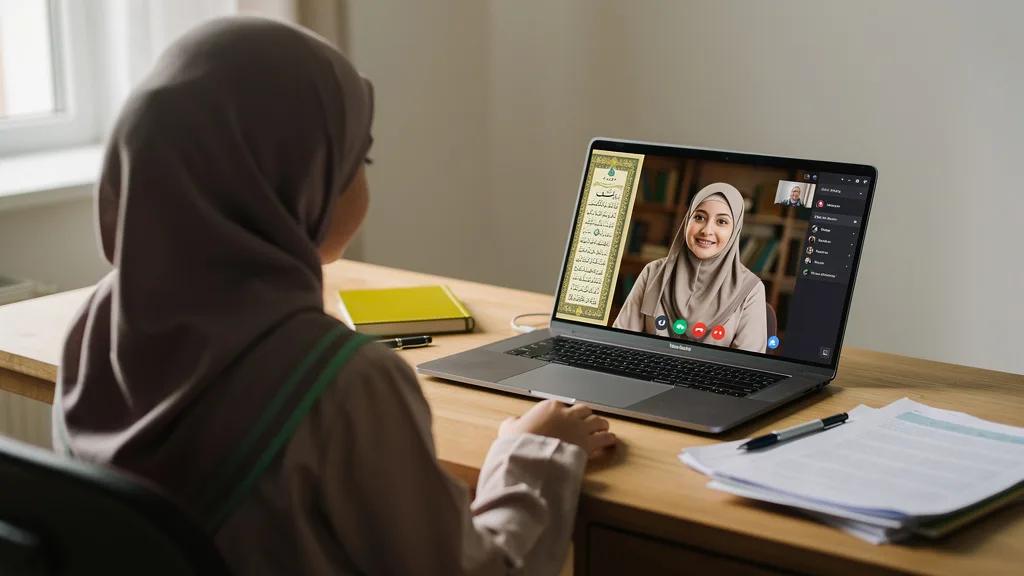
Are you ready to begin your journey with the Quran but feel unsure about what to ask during a trial class? Choosing the right online Quran academy is a significant decision for you or your children. A trial lesson is your best opportunity to evaluate if a teacher and their program are the perfect fit for your spiritual and educational goals. This preparation ensures you make an informed choice and start your learning on a path to success.
To make the most of this opportunity, use this Trial Quran Checklist: 5 Things to Ask Before Your First Lesson. We will cover crucial questions about the curriculum, teacher qualifications, class logistics, technical requirements, and pricing. Being prepared with these questions will help you assess the quality of the instruction and find a comfortable, effective learning environment, especially when seeking a private class with a female teacher.
What to Ask About the Curriculum and Teaching Method
The foundation of your learning experience lies in the curriculum and the way it's taught. Before committing, you need to ensure the educational plan aligns with your personal or your child's goals. A one-size-fits-all approach rarely works for Quranic education, as each student has a unique starting point and objective.
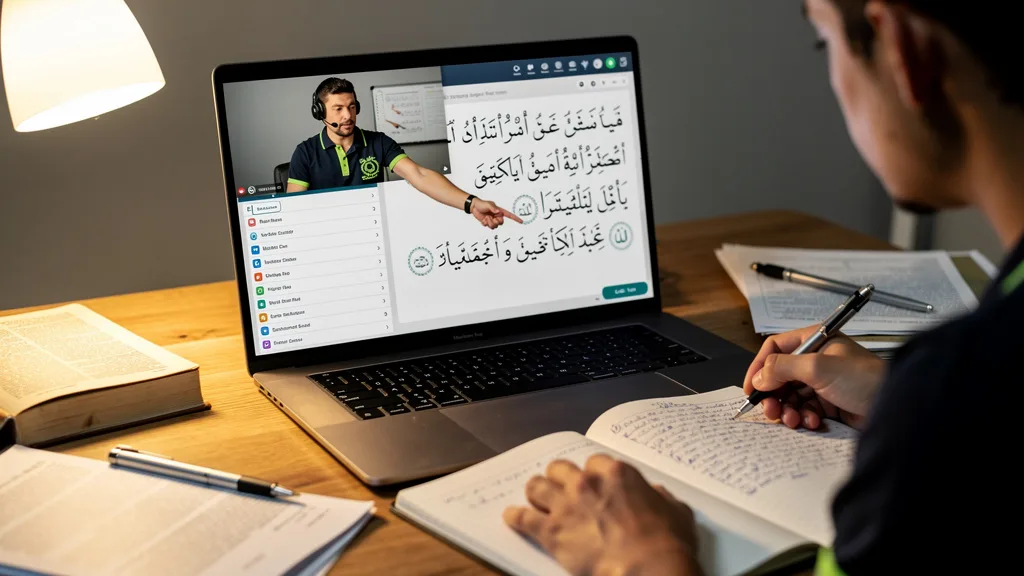
During your trial session, don't hesitate to ask specific questions about the materials and methods. This is your chance to understand the educational philosophy of the academy. A reputable institution will welcome these inquiries and provide clear, detailed answers that give you confidence in their program's structure and effectiveness.
Understanding Course Content: Tajweed, Hifz, or Tafsir
First, clarify what the curriculum covers. Are you a beginner who needs to start with the Noorani Qaida to learn the Arabic alphabet and basic pronunciation? Or are you looking to perfect your recitation with advanced Tajweed classes? Perhaps your goal is memorization (Hifz) or understanding the meaning of the verses (Tafsir).
Ask the teacher how they structure the course for your specific goal. For example, if you are interested in a Hifz program, inquire about the memorization techniques they use and how they manage revision. A well-structured program will have a clear pathway from one level to the next, ensuring steady and tangible progress.
Inquiring About the Teaching Methodology for Your Level
Beyond the content, the teaching method is paramount. Ask the instructor: "How do you tailor your teaching style for a complete beginner versus someone with prior knowledge?" For children, the methodology should be engaging and interactive, often incorporating stories and positive reinforcement. For adult learners, it might be more structured and focused on technical accuracy.
A great teacher will adapt their approach to suit the student's age, learning pace, and individual needs. They should be able to explain their process for correcting mistakes, tracking progress, and keeping students motivated. This conversation will reveal a lot about the teacher's experience and dedication to student success.
Confirming the Language of Instruction
While the Quran is in Arabic, the language of instruction is a critical detail, especially for students in the UK, USA, or Australia. Confirm that the teacher is fluent in a language you or your child understands well, such as English. This is particularly important for learning the rules of Tajweed or studying Tafsir, where complex concepts need clear explanation.
Being able to ask questions and receive answers in your native language removes a significant barrier to learning. It fosters a better student-teacher relationship and ensures that you grasp not just the recitation, but also the deeper context and meaning of the Quranic text. This is a simple but vital point to confirm during your trial.
Evaluating the Instructor and Their Qualifications
The teacher is the heart of your learning experience. Their knowledge, experience, and character will directly shape your journey with the Quran. A trial lesson is the perfect moment to look beyond the curriculum and evaluate the instructor as a person and a professional. You are entrusting them with a sacred responsibility, so it's essential to feel confident in their abilities.
Use this time to build a rapport and see if their personality meshes with yours or your child's. A qualified teacher is not just knowledgeable but also patient, encouraging, and an excellent communicator. These qualities are often more important than any certificate and can only be assessed through direct interaction.
Asking About Teacher Certification and Experience
A fundamental question to ask is about the teacher's qualifications. Inquire if they hold an Ijazah, which is a formal certification authorizing them to teach the Quran, and who it was granted by. An Ijazah signifies that they have mastered recitation and Tajweed under the guidance of another certified teacher, tracing back to the Prophet Muhammad (PBUH).
Beyond certification, ask about their teaching experience. How many years have they been teaching online? Do they have experience with students of your age group and proficiency level? A teacher who specializes in teaching children will have different techniques than one who primarily teaches adult reverts. This information helps you gauge their expertise and suitability.
Requesting a Female Islamic Studies Teacher
For many sisters, mothers, and young girls, learning in a modest and comfortable environment is a top priority. If this is important to you, explicitly ask if the academy provides a female Islamic studies teacher. A dedicated female teacher can create a safe space where female students feel more at ease to ask questions and build a strong rapport.
At Hidayah Quran Academy, we specialize in connecting sisters and children with qualified female teachers for private, one-on-one sessions. This ensures a learning environment built on trust and comfort. When searching for the right instructor, it is crucial to find a female Quran teacher online who understands and respects your needs for a private learning setting.
Gauging the Teacher's Communication Style
Pay close attention to how the teacher communicates during the trial lesson. Are they patient when you make a mistake? Do they offer encouragement and positive feedback? A good teacher creates a supportive atmosphere where students are not afraid to try and fail. Their tone should be gentle yet clear, and they should be able to explain concepts in multiple ways if you don't understand at first.
This is a subjective but critical assessment. You should feel respected, heard, and motivated by the teacher's presence. If the communication style feels abrasive, impatient, or unclear, it may not be the right fit for a long-term learning relationship, regardless of their qualifications.
Clarifying Logistics: Scheduling and Class Structure
Once you are satisfied with the curriculum and the instructor, the next step is to clarify the practical details. Logistics like scheduling, class duration, and frequency are what make or break the consistency of your learning. A program that is difficult to fit into your life is a program that is unlikely to last.

These details should be clear and transparent from the outset. A professional academy will have structured options but should also offer a degree of flexibility to accommodate students from different time zones and with varying personal commitments. Asking these questions upfront prevents future confusion and ensures a smooth experience.
Confirming Availability for Live Classes and Flexible Times
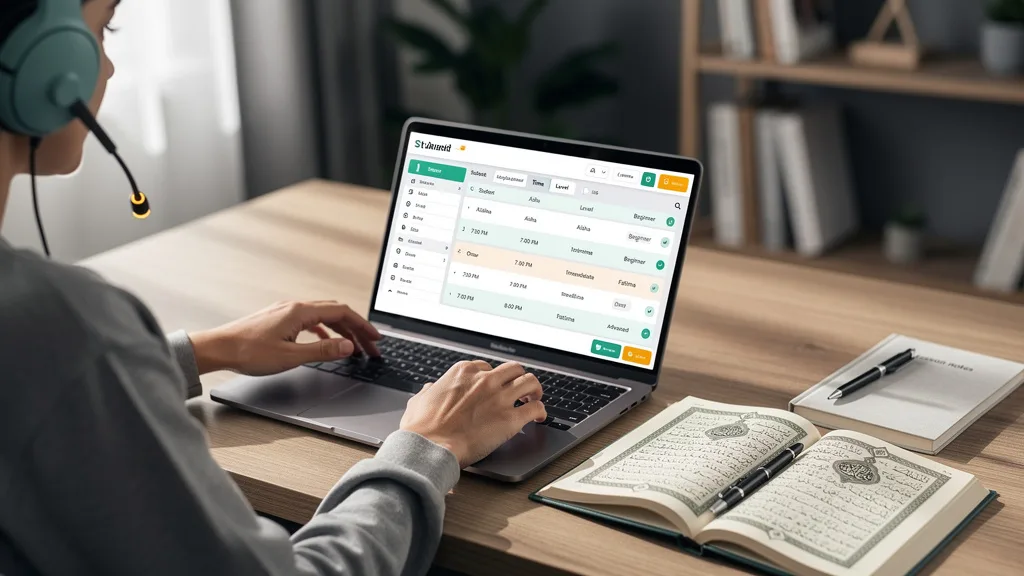
For students in the USA, UK, Canada, and Australia, time zone differences are a major consideration. Confirm that the teacher has availability that aligns with your schedule. Ask about their policy on scheduling and if they offer live classes flexible times to accommodate busy parents or professionals. Can you book a consistent weekly slot?
Inquire about the process for rescheduling a class if you have an emergency or a planned vacation. A reasonable policy for make-up classes shows that the academy values its students and understands the realities of life. This flexibility is key to maintaining momentum in your online Quran classes for females.
Understanding Class Duration and Frequency
Discuss the recommended class length and how often you should meet. For young children, shorter classes of 25-30 minutes, three to five times a week, are often more effective. For adults, 45-60 minute sessions two or three times a week might be more appropriate. The teacher should be able to recommend a schedule based on your goals and attention span.
Clarify if the price is per class, per hour, or a monthly package. Understanding the relationship between duration, frequency, and cost will help you choose a plan that fits your budget and learning objectives. This transparency is a hallmark of a trustworthy online Quran program.
Asking About 1-on-1 vs Group Session Options
Most online academies offer different formats. While group classes can be more affordable, one-on-one sessions provide personalized attention that is invaluable for Quranic studies. In a private class, the teacher's focus is entirely on you. They can tailor every minute of the lesson to your specific needs, correct your pronunciation in real-time, and move at your pace.
Ask about the benefits of their one-on-one program. This format is especially beneficial for beginners who need foundational support and for Hifz students who require intensive focus and revision. While we exclusively offer private sessions to maximize student benefit, understanding the options helps you make an informed choice.
| Feature | 1-on-1 Private Class | Group Class |
|---|---|---|
| Personal Attention | 100% focused on the individual student | Teacher's attention is divided among students |
| Pacing | Lesson moves at the student's personal pace | Pace is set by the group average, may be too fast or slow |
| Curriculum | Fully customized to the student's goals and needs | Standardized curriculum for the entire group |
| Speaking Time | Maximum time for recitation and practice | Limited speaking time for each student |
| Comfort Level | High comfort for shy students or sisters seeking privacy | May be intimidating for beginners or shy students |
Checking the Technical Foundation and Platform
In the world of online learning, technology is the classroom. A seamless technical experience is crucial for effective and frustration-free lessons. Before you enroll, it's wise to ask a few questions about the technical foundation of the classes. This ensures you are prepared and know what to do if a problem arises.
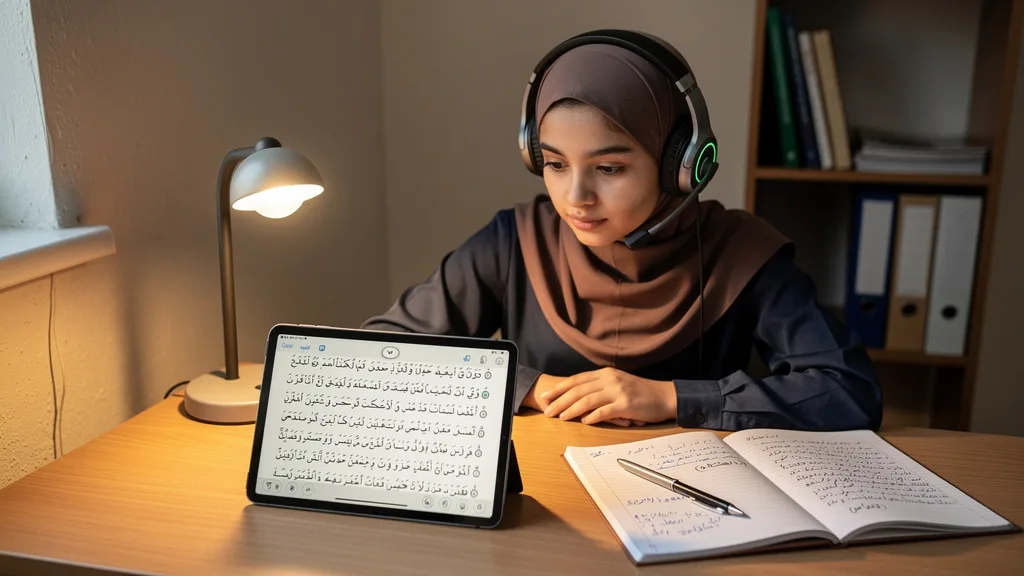
Most platforms are very user-friendly today, but confirming the details avoids last-minute surprises. These questions also demonstrate the academy's professionalism and how prepared they are to support their students' learning experience from a technical standpoint.
What Software or App Will Be Used for Classes?
Ask what specific application will be used for the video calls. Common platforms include Zoom, WhatsApp, Google Meet, or Skype. Ensure you are comfortable with the chosen software and have it installed on your device before the first official lesson. The teacher or admin should be able to provide you with a link or instructions.
You can also ask if they use any supplementary tools, such as an interactive whiteboard for writing notes or screen-sharing for viewing Quranic text together. Knowing the tools of your virtual classroom helps you feel more prepared and confident.
Verifying Hardware and Internet Requirements
Confirm the basic technical requirements for taking the classes. In most cases, all you need is a reliable internet connection, a computer, tablet, or smartphone, and a working microphone and camera. The requirements are usually not demanding, but it's good to double-check.
Ask if they have a recommended internet speed to ensure smooth video and audio. A quick check of your own setup can prevent issues like lagging or dropped calls, which can disrupt the flow of a lesson and cause frustration for both the student and the teacher.
How to Handle Technical Failures Mid-Lesson
Technology is not always perfect. Ask what the academy's policy is for handling technical issues. If a class is interrupted due to an internet outage on the teacher's side or yours, how is the lost time handled? Will the class be rescheduled, or will the time be added to a future session?
A clear and fair policy for technical failures shows that the academy is professional and values your time and investment. This question helps you understand their level of customer service and support, ensuring you won't be penalized for unforeseen technical glitches.
Understanding Pricing, Policies, and Support
The final piece of the puzzle is understanding the financial and administrative aspects of the program. Clarity on fees, payment methods, and support channels is essential for a smooth and transparent relationship with the academy. A free trial is the perfect time to ask these questions before making a financial commitment.
A trustworthy organization will be upfront about all costs and policies. Vague answers or hidden fees are a red flag. These questions ensure there are no surprises down the line and that you know exactly who to contact if you need help with administrative matters.
What Are the Fees After the Free Trial?
This is one of the most important questions. Ask for a clear breakdown of the fee structure after the free trial ends. Are fees charged monthly or on a per-class basis? Are there different packages available, for example, for taking more classes per week? Are there any registration fees or material costs?
Understanding the full financial commitment is crucial. For a detailed overview of what to expect, you can learn more about the cost of an online female Quran teacher. A transparent pricing model without hidden charges is a sign of a reputable institution.
Asking About Payment Methods and Cancellation Policies
Inquire about the accepted payment methods. Do they accept credit cards, PayPal, or bank transfers? Choose an academy that offers a secure and convenient payment option for you. Also, ask about the billing cycle and when payments are due each month.
Equally important is the cancellation policy. What is the process if you need to pause your studies or withdraw from the program? Is there a notice period required? Understanding these terms upfront prevents any financial misunderstandings later on.
How to Contact the Admin and Support Team
Finally, ask for the contact information for the administrative or support team. While your teacher is your primary contact for educational matters, you will need a separate point of contact for billing inquiries, technical support, or resolving any issues that may arise. A dedicated support channel shows that the academy is organized and committed to student satisfaction.
Knowing who to reach out to provides peace of mind. It ensures that any problem can be addressed quickly and efficiently, allowing you to focus on what truly matters: your Quran learning journey.
Preparing for a Successful First Lesson
Once you have asked your questions and decided to move forward, the final step is to prepare for your first official lesson. A little preparation can make a big difference in how much you benefit from the class. It shows respect for the teacher and the sacred knowledge you are about to receive.
Setting up your physical and mental space for learning will help you transition smoothly from the trial phase to becoming a dedicated student. This proactive approach sets a positive tone for all your future lessons and helps you maximize your progress from day one.
Setting Up Your Dedicated Learning Space
Designate a quiet, comfortable, and well-lit area in your home for your classes. This dedicated space helps you mentally switch into learning mode and minimizes distractions from family members, pets, or television. Ensure your device is charged, your internet is connected, and your headset is working before the class begins.
Having a consistent learning environment helps build a strong routine. It signals to your brain that it's time to focus, making your study sessions more effective and enjoyable. This simple step is a key part of successful online learning.
Online Class Etiquette for Respectful Participation
Treat your online class with the same respect you would an in-person class. Dress modestly, be punctual, and have all your materials, such as a notebook and pen, ready. During the lesson, keep your microphone muted unless you are speaking to reduce background noise.
Active listening and participation are key. Give the teacher your full attention, avoid multitasking, and engage with the lesson. This respectful attitude not only benefits your own learning but also honors the teacher and the sacred knowledge being shared.
"Your first Quran lesson is a pivotal moment. Preparing your goals beforehand allows your teacher to create a truly personalized roadmap for your success. It transforms the class from a simple recitation into a meaningful step on your unique spiritual path."
Having Your Learning Goals Ready to Discuss
Take a few moments before your class to think about what you want to achieve. Do you want to memorize a specific surah? Improve your fluency? Understand the meaning behind the verses? Having clear goals will help your teacher tailor the lessons to your aspirations.
Share these goals with your teacher in your first lesson. This collaboration ensures you are both working towards the same objective. To help you think this through, review our guide on how to prepare for your free trial Quran class, which offers valuable tips on setting realistic and meaningful goals.
Key Takeaways
Using this Trial Quran Checklist ensures you cover all the essential points before committing to an online program. By being prepared, you can confidently choose an academy and teacher that align perfectly with your spiritual and educational needs. Here are the most important takeaways:
- Verify the Curriculum: Ensure the course content (Qaida, Tajweed, Hifz) and teaching method match your specific learning goals and level.
- Evaluate the Teacher: Confirm the instructor's qualifications, experience, and communication style. For sisters, verifying the availability of a certified female teacher is crucial.
- Clarify Logistics: Discuss scheduling, class duration, frequency, and flexibility to ensure the program fits into your life.
- Check Technology: Understand the software and hardware requirements, and ask about the policy for handling technical issues.
- Understand Pricing: Get a clear breakdown of all fees, payment methods, and cancellation policies to avoid any future surprises.
Frequently Asked Questions
What is the best way for a beginner to learn the Quran?
The best way for a beginner to learn the Quran is to start with the Noorani Qaida under the guidance of a qualified, one-on-one teacher. This foundational course teaches the Arabic alphabet, correct pronunciation (Makharij), and basic joining rules. A private tutor can provide the personalized attention needed to correct mistakes early and build a strong base for fluent recitation.
What is the 3/10 Hifz method?
The 3/10 Hifz method is a popular memorization technique. It involves memorizing a small portion of a page, such as three lines, and then reciting it perfectly from memory ten times in a row. This repetition helps solidify the verses in short-term memory before moving on to the next section. It's part of a larger system of new memorization, recent revision, and old revision to ensure long-term retention.
How can I find a certified female teacher for Islamic studies?
You can find a certified female teacher for Islamic studies by searching for online Quran academies that specifically cater to sisters and children. Look for platforms like Hidayah Quran Academy that advertise private classes with vetted, qualified female instructors. Always ask about their certification (Ijazah) and experience during the trial lesson to ensure they meet your standards.
Are online Quran classes safe for children?
Yes, online Quran classes can be very safe for children, especially when you choose a reputable academy that vets its teachers. One-on-one classes provide a controlled environment where a parent can be present or nearby. For more insights, this guide on whether online Quran classes are safe for kids offers a valuable parent's perspective.
How long does it typically take to complete Hifz?
The time it takes to complete Hifz (memorizing the entire Quran) varies significantly from person to person. On average, it can take anywhere from two to five years. The duration depends on the student's age, natural ability, the amount of time dedicated to memorization and revision each day, and the frequency of classes with their teacher.
Conclusion
Embarking on your Quran learning journey is a blessed and transformative decision. By using this trial class checklist, you empower yourself to make a thoughtful and informed choice. Asking the right questions about the curriculum, teacher, logistics, and policies ensures you find a learning environment that is not only effective but also nurturing and aligned with your values. This preparation is the first step toward a successful and fulfilling relationship with the Book of Allah.
Are you ready to experience a supportive, one-on-one learning environment with a qualified female teacher? At Hidayah Quran Academy, we are dedicated to helping sisters and children connect with the Quran in a way that is comfortable and effective. We invite you to see the difference for yourself. Book Free Trial today and take the next step in your spiritual education.