
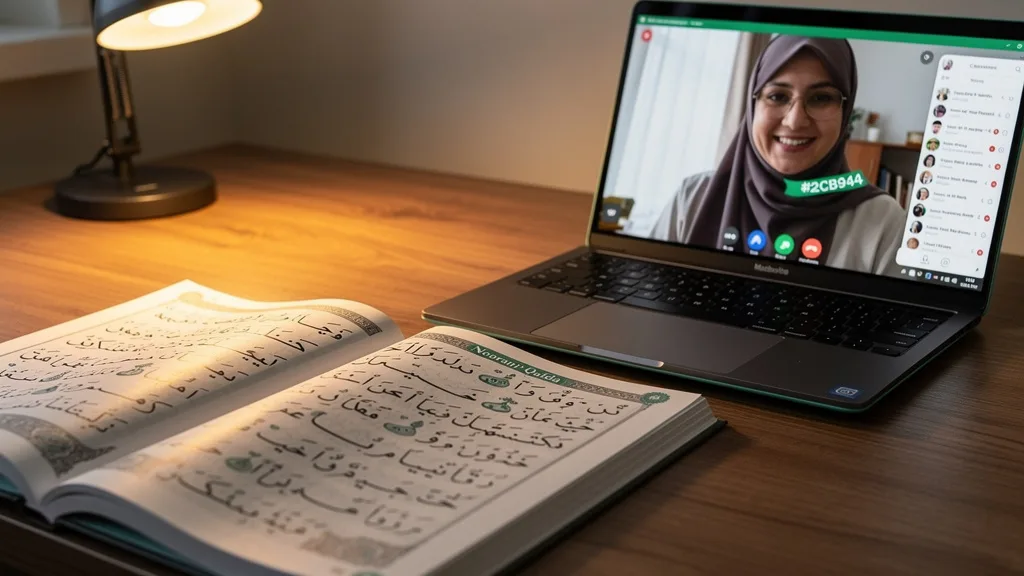
Are you feeling a mix of excitement and anxiety about starting your Quran learning journey? It's completely normal to feel nervous before your first trial class, but these feelings shouldn't hold you back from this beautiful and rewarding pursuit. Many potential students hesitate, worried about their current skill level, making mistakes, or what their new tutor might think. These concerns are common, but they are often unfounded, especially in a supportive learning environment.
The main things you should not worry about before a trial Quran class are your current Arabic level, making pronunciation mistakes, being judged by your teacher, not having the perfect setup, and the pace of the lesson. A trial class is a no-pressure opportunity for you and your teacher to connect, assess your starting point, and determine the best path forward for your unique goals. It's a supportive first step, not a final exam.
What to Expect During Your Trial Quran Lesson
Your trial Quran lesson is designed to be a welcoming introduction to online learning and your potential teacher. The primary goal is to ensure you feel comfortable and confident. The session typically begins with a friendly greeting, where you and your female tutor can get to know each other a little. She will likely ask about your background with the Quran, your personal learning objectives, and any specific areas you wish to focus on, whether it's Noorani Qaida for beginners, improving Tajweed, or starting a Hifz program.

Following the introduction, the tutor will conduct a gentle assessment. This is not a test, but a way for her to understand your current abilities. She might ask you to read a few verses you already know or go over some Arabic letters if you are a complete beginner. Based on this, she can tailor a personalized learning plan for you. You will also get a feel for her teaching style and the online platform, ensuring it's a good fit. You can learn more about what to expect in your first Quran class with a female teacher to feel even more prepared.
1. Worrying About Your Current Level of Arabic
One of the most common fears for new students is that their Arabic is not good enough. Whether you are a complete beginner who doesn't know the alphabet or someone who can read but lacks fluency, this worry should not stop you. Our qualified female teachers are experienced in teaching students at all levels. The purpose of the trial class is specifically to gauge your current level so we can create a curriculum that is perfectly suited to you.

Remember that every single person who is now fluent in reading the Quran started from the very beginning. Our tutors specialize in creating a non-intimidating and encouraging atmosphere, particularly for sisters and adult learners who may feel self-conscious. We celebrate the courage it takes to start, and we are here to guide you patiently on every step of your journey, starting from the very first letter if needed.
2. Fearing Mistakes in Pronunciation and Tajweed
The fear of making mistakes, especially in pronouncing the holy words of the Quran, is a significant hurdle for many. Tajweed, the science of correct Quranic recitation, can seem daunting. However, making mistakes is a natural and essential part of the learning process. Your tutor does not expect perfection; in fact, she expects to help you identify and correct your errors. That is precisely why you are seeking a teacher.
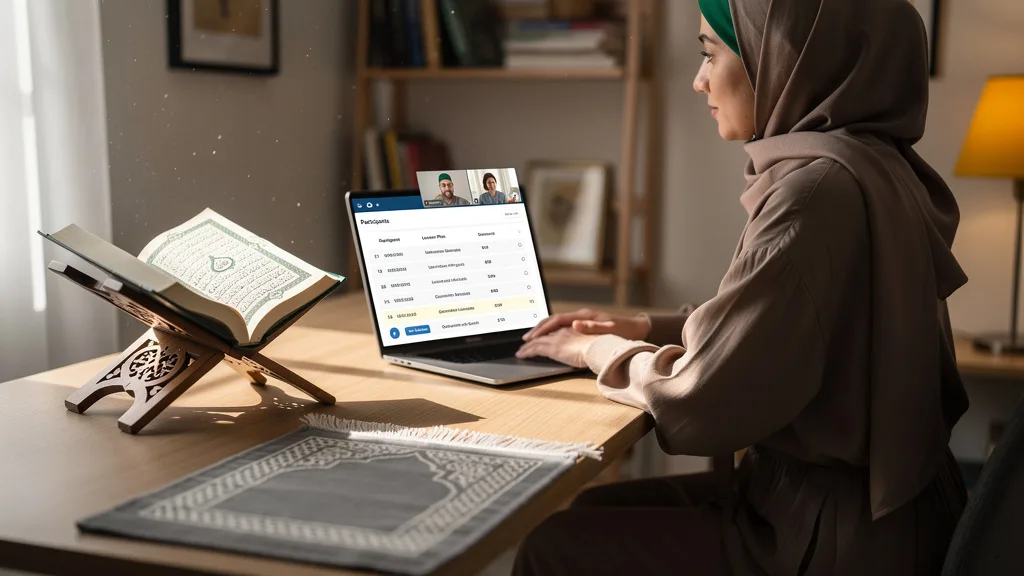
Our tutors are trained to offer gentle, constructive corrections. They create a safe space where you can practice without fear of criticism. Think of your trial class as a diagnostic session where your teacher can pinpoint the specific areas of your pronunciation that need attention. Embracing this guidance is the fastest way to improve. There are many resources on 5 best online Quran learning tips that emphasize consistency over perfection.
3. Feeling Judged or Pressured by Your Tutor
Embarking on a spiritual journey like learning the Quran can feel deeply personal, and it's natural to worry about being judged. You might be concerned that your teacher will be critical of your pace, your past efforts, or your lifestyle. At Hidayah Quran Academy, we exclusively provide qualified female teachers for sisters and children to ensure a comfortable, modest, and understanding environment. Your tutor is your partner and guide, not your judge.
Our teachers are chosen not only for their knowledge but also for their patience and compassion. They understand that life can be busy and that each student's journey is unique. The goal is progress, not pressure. This supportive relationship is key to helping you hire the right female Quran teacher online who can help you build trust and confidence. The journey of learning is a way to connect with Allah, and it is understood that even righteous people are put through such painful trials and personal struggles; your teacher is there to support you through it.
4. Not Having the Right Materials or Technical Setup
In our digital age, another source of anxiety can be technology. You might worry that you don't have the right software, a good enough camera, or the correct books. The good news is that the requirements are very simple. All you need is a stable internet connection and a device like a laptop, tablet, or smartphone with an application like Zoom, WhatsApp, or Google Meet installed.
As for materials, your teacher will guide you completely. During the trial class, she will recommend the best resources for your level, many of which are available online as digital files (PDFs) that she can share with you directly. You do not need to purchase any books before your first session. The focus is on getting started, and your tutor will ensure you have everything you need for your future lessons. The process is designed to be as smooth and accessible as possible.
5. The Class Pace Being Too Fast or Too Slow
Every learner is different. Some grasp concepts quickly, while others need more time for repetition and practice. It's a valid concern that a class might move too fast, leaving you feeling overwhelmed, or too slow, leading to boredom. This is the exact reason why we offer private, one-on-one Quran classes. The entire lesson is customized to your individual learning speed and style.
During your trial class, be open with your tutor about how the pace feels. If you need to spend more time on a particular rule of Tajweed or a specific surah, she will adjust accordingly. Conversely, if you are a quick learner, she can introduce new concepts to keep you challenged and engaged. This personalized approach ensures your learning experience is effective and enjoyable, which is a key benefit of a trial vs. a paid Quran class, as it sets the foundation for future success.
How to Prepare for a Successful Trial Class in 2026
While you shouldn't worry about the five points above, a little preparation can help you make the most of your trial lesson. Taking a few simple steps beforehand will boost your confidence and ensure the session is productive. This proactive approach demonstrates your commitment and helps your tutor understand your needs right from the start. Consider these tips as your checklist for a great first impression.
Test Your Technology Beforehand
To avoid any technical glitches that could cause stress, test your setup before the class begins. Make sure your internet connection is stable. Open the application (Zoom, WhatsApp, etc.) you'll be using and check that your microphone and camera are working correctly. Doing a quick test call with a friend or family member can give you peace of mind. A smooth technical experience allows you to focus entirely on the lesson itself.
Prepare a Quiet and Respectful Space
Choose a quiet, clean, and comfortable spot for your lesson where you won't be disturbed. This shows respect for the Quran and helps you concentrate. Ensure you are dressed modestly as you would for prayer. Having a dedicated learning space, even if it's just a corner of a room, signals to your brain that it's time to focus and learn. This simple act can significantly improve your retention and overall experience.
Jot Down Your Personal Learning Goals
Take a few moments to think about what you want to achieve. Do you want to learn to read from scratch? Improve your fluency? Memorize specific surahs? Understand the meaning of the verses? Write these goals down. Sharing them with your tutor during the trial class will help her create a tailored plan that aligns with your aspirations. Knowing your goals makes the journey more meaningful and is a key step in how to prepare for a free trial Quran class.
Come with an Open Mind and Willingness to Learn
The most important preparation is mental. Approach your trial class with a positive attitude, an open mind, and a sincere intention (niyyah) to learn for the sake of Allah. Be ready to receive feedback and embrace the learning process, including its challenges. Your enthusiasm and willingness to learn will be your greatest assets and will create a wonderful rapport with your teacher. This mindset is fundamental to How To Learn Quran Easily.
| Preparation Step | Why It's Important | Action to Take |
|---|---|---|
| Check Technology | Prevents stress from technical issues. | Test your internet, camera, and microphone 15 minutes before class. |
| Find a Quiet Space | Aids focus and shows respect for the lesson. | Choose a location free from distractions like TV, family, or noise. |
| Define Your Goals | Helps the tutor tailor the lesson to you. | List what you want to achieve (e.g., read fluently, learn Tajweed). |
| Set Your Intention | Frames the learning as an act of worship. | Renew your Niyyah to learn for the sake of Allah. |
Key Takeaways
Starting your Quran journey is a significant step, and it's important to begin with confidence, not fear. Here is a summary of the key points to remember before you attend your trial class:
- Your current level is your starting point, not a barrier. Tutors are prepared to teach absolute beginners.
- Mistakes are a necessary part of learning. A good teacher provides a safe space for you to practice and improve.
- You will not be judged. The goal of a one-on-one class with a female tutor is to provide a supportive and comfortable environment.
- The technical requirements are simple. You only need a basic device and internet; your tutor will guide you on materials.
- The class pace is all about you. Private lessons are tailored to your individual learning speed.
- A little preparation goes a long way. Testing your tech and clarifying your goals will ensure a successful trial session.
"Do not let the fear of stumbling on the path prevent you from taking the first step. At Hidayah Quran Academy, we believe every sister's journey to the Quran is precious. Your trial class is a welcoming door, not a test. We are here to guide you with patience and care, just as every expert was once a beginner." – Hidayah Quran Academy Tutor
Frequently Asked Questions
Here are answers to some common questions that arise when beginning the journey of Islamic learning.
What is the 7-7-7 rule in Islam?
The "7-7-7 rule" is not from the Quran or authentic Hadith but is a widely cited principle in Islamic parenting and pedagogy, often attributed to wisdom from early Muslims like Ali ibn Abi Talib (RA). It suggests dividing childhood into three stages for upbringing. The first seven years (0-7) are for play and affection, where the child is treated like a master. The second seven years (7-14) are for discipline and instruction, where the child is treated like a student or subordinate. The final seven years (14-21) are for friendship and counsel, where the child is treated as a friend and advisor.
This framework provides a balanced approach to raising children, blending mercy, guidance, and respect according to their developmental stage. It emphasizes a gradual shift from gentle nurturing to structured learning and finally to a relationship of mutual trust and companionship. It helps parents navigate the complexities of raising righteous children in a structured manner.
Which five things are considered haram in the Quran?
The Quran explicitly forbids many actions, and while listing only five is not exhaustive, some of the most major sins (haram) mentioned are: 1. Shirk (associating partners with Allah), which is considered the greatest sin. 2. Murder (unjustly taking a life). 3. Consuming Riba (usury or interest), which is strongly condemned. 4. Consuming the wealth of an orphan unjustly. 5. Zina (adultery or fornication), which is a grave sin against morality and family structure.
These prohibitions are in place to protect faith, life, intellect, lineage, and property, which are the five core objectives of Islamic law (Maqasid al-Shariah). Avoiding these major sins is fundamental to the faith and practice of a Muslim. There are many other prohibitions, such as consuming pork, drinking alcohol, and backbiting, which are also clearly outlined.
What does '5 before 5' mean in Islam?
The concept of "5 before 5" comes from a famous Hadith of the Prophet Muhammad (peace be upon him), as narrated by Ibn Abbas. The Prophet advised a man, saying: "Take advantage of five before five: your youth before your old age, your health before your sickness, your wealth before your poverty, your free time before you are preoccupied, and your life before your death." (Narrated by Al-Hakim).
This powerful advice is a call to action for Muslims to recognize the value of the blessings Allah has given them and to use them wisely in acts of worship and goodness before they are gone. It's a reminder not to procrastinate and to make the most of our opportunities to earn rewards for the hereafter. It encourages a proactive and productive mindset in a believer's life.
Is saying phrases like 'Oh my freaking god' haram?
Using foul, vulgar, or disrespectful language is generally discouraged in Islam, as Muslims are taught to speak kindly and truthfully. While a phrase like "Oh my freaking god" is not an explicit act of disbelief, it can be considered problematic for two reasons. Firstly, the word "freaking" is a minced oath, a euphemism for a profane word, and using such language is unbecoming of a believer. Secondly, using Allah's name in a light, casual, or frustrated manner can be seen as disrespectful.
Islam teaches believers to guard their tongues. The Prophet Muhammad (peace be upon him) said that a believer does not taunt, curse, or speak in a vulgar or obscene manner. Therefore, while it may not fall into the category of a major sin like Shirk, it is an action that should be avoided. It is better to use phrases that glorify Allah, such as "SubhanAllah" or "Allahu Akbar," even in moments of surprise or distress.
Conclusion
In conclusion, the journey of learning the Quran should be filled with hope and excitement, not anxiety. By understanding that the 5 things not to worry about before your trial Quran class are simply unfounded fears, you can approach your first lesson with a calm heart and an open mind. Remember that the trial is a supportive first step designed for your comfort and to establish a personalized path to success with a compassionate female teacher. Focus on your intention, prepare a little, and trust in Allah's guidance.
Are you ready to take that first confident step on your Quran journey? Our dedicated female tutors are waiting to welcome you to a supportive, one-on-one learning environment tailored just for you. Your free 30-minute trial is the perfect, no-pressure way to begin. Book Free Trial
If you want help turning this into a concrete plan for your site or team, take the next step below to apply 5 Things Not to Worry About Before Your Trial Quran Class with confidence.
Ready to act on 5 Things Not to Worry About Before Your Trial Quran Class? Book Free Trial — tell us your goal, and we will help you pick the highest-leverage next step so you are not guessing alone.