
Do you long to connect with the Holy Qur'an on a deeper level, reciting its verses with the beauty and accuracy they deserve? For many, the Arabic language stands as a barrier, but it is a bridge that can be crossed with the right guidance and dedication. Learning the fundamentals of Arabic specifically for recitation is a focused and achievable goal that unlocks a more profound spiritual experience.
To learn how to speak Arabic basics for Quran recitation, you must focus on three core areas: mastering the Arabic alphabet and its pronunciation, understanding the vowel marks (Harakat), and applying the rules of Tajweed. This approach prioritizes correct articulation and rhythm over conversational fluency, allowing you to recite the Holy Qur'an accurately and beautifully as it was revealed.
Learning Arabic basics for the purpose of Qur'an recitation is different from learning conversational Arabic. The focus is not on building vocabulary for daily conversation but on developing perfect pronunciation and understanding the phonetic rules that govern recitation. This specialized knowledge ensures that the words of the Holy Qur'an are spoken correctly, preserving their divine meaning and impact.
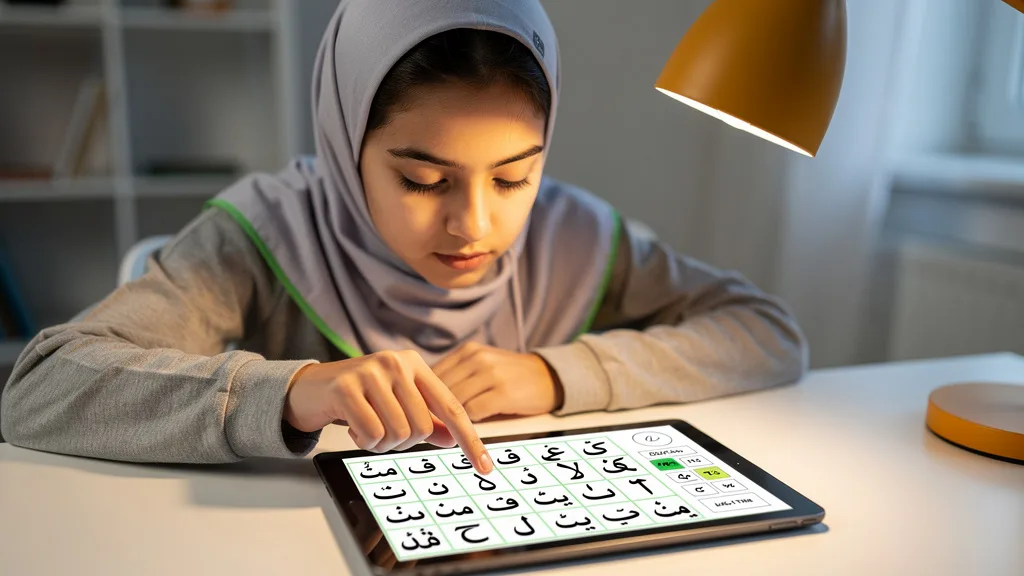
This foundational skill set begins with the Arabic alphabet, or 'Alif-Ba-Ta.' It involves learning to recognize, write, and, most importantly, pronounce each of the 28 letters from its correct point of articulation (Makharij al-Huruf). From there, you learn the short vowels (Harakat) and other diacritical marks that guide pronunciation. The ultimate goal is to apply the science of Tajweed, which is the complete set of rules for proper recitation, ensuring every letter receives its due right and characteristic.
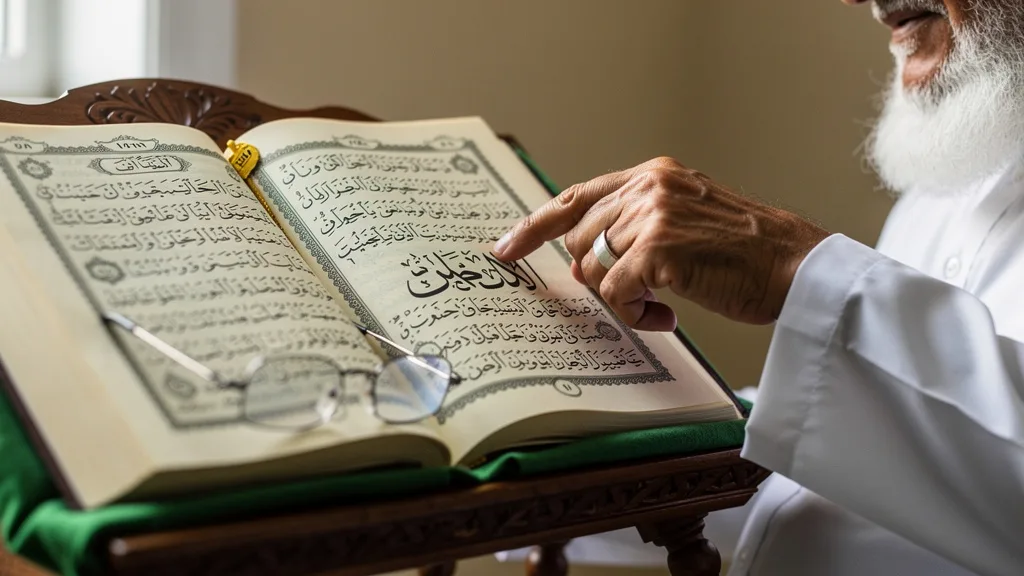
In 2026, the importance of learning Arabic for Qur'an recitation remains as vital as ever. Reciting the Qur'an in its original Arabic is a central act of worship in Islam. When you recite with proper pronunciation, you are engaging with the text as it was revealed to Prophet Muhammad (peace be upon him). This authentic connection avoids potential misinterpretations that can arise from incorrect pronunciation, as a small phonetic error can sometimes alter the meaning of a word entirely.
Furthermore, the effort you put into learning these basics is in itself a rewarding spiritual journey. It demonstrates reverence for the sacred text and deepens your personal relationship with Allah's words. In today's digital age, access to qualified teachers and high-quality resources has made this noble pursuit more accessible than ever before, allowing you to learn from anywhere in the world and connect with a tradition that has been preserved for over 1400 years.
Reciting the Qur'an correctly is not just about sound, it's about preserving the divine message. Learning the Arabic basics is the first and most crucial step in that sacred journey.
How to Get Started with How to Speak Arabic Basics
Embarking on this journey can feel daunting, but a structured approach makes it manageable. The first and most critical step is to dedicate yourself to mastering the Arabic alphabet. This goes beyond simple recognition; you must learn the precise point of articulation for each letter. For example, the pronunciation of 'ح' (Ha) comes from the middle of the throat, while 'خ' (Kha) comes from the top part. This level of detail is fundamental.
Once you are comfortable with the letters, your focus should shift to the vowels (Fatha, Kasra, Damma) and other diacritical marks like Tanween and Shaddah. These symbols dictate the sound and flow of the words. Following this, you can begin learning the elementary rules of Tajweed, such as the rules of Noon Sakinah and Tanween. The key to success is taking one step at a time and ensuring you have mastered each concept before moving to the next. Finding one of the best affordable online Arabic courses can provide the structure and guidance you need.
- Step 1: Learn the Alphabet: Focus on the name, shape, and precise sound of all 28 letters.
- Step 2: Master the Vowels: Understand how short vowels (Harakat) and long vowels (Madd) change the sound of a letter.
- Step 3: Begin Basic Tajweed: Start with foundational rules like Qalqalah and the rules of letters that should be pronounced heavily or lightly.
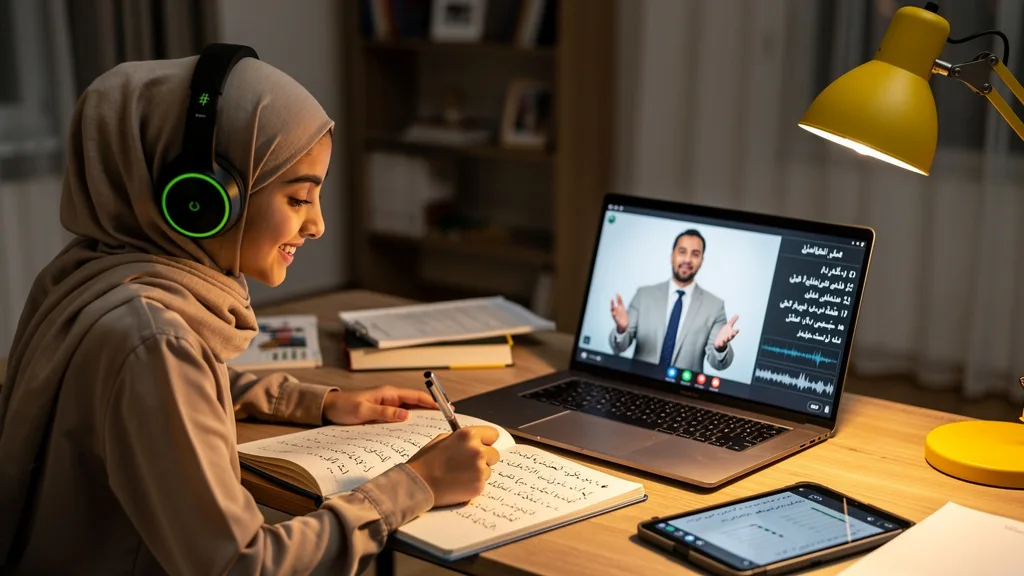
- Step 4: Find a Teacher: Practice with a qualified instructor who can provide immediate feedback and correction.
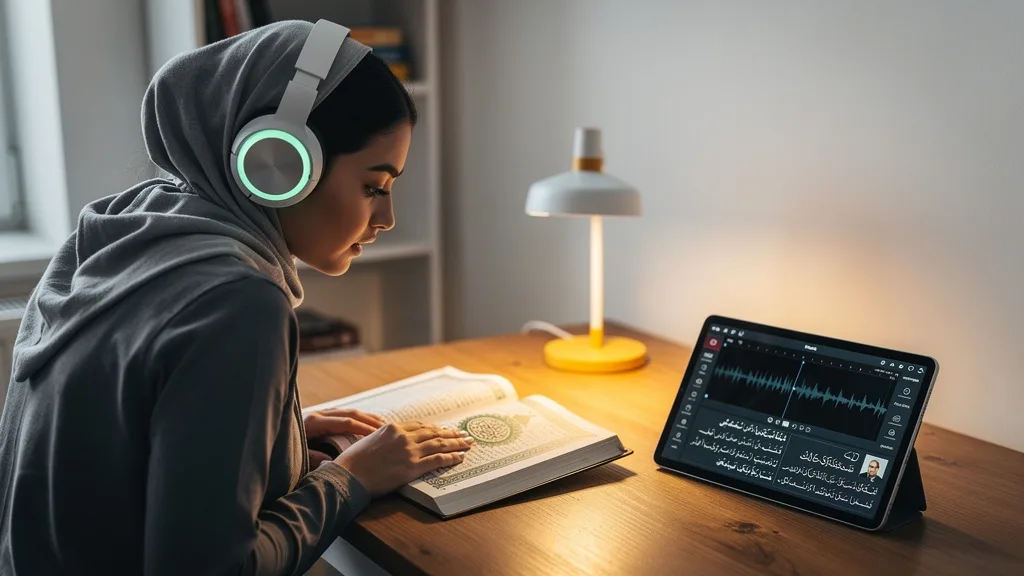
- Step 5: Listen and Repeat: Regularly listen to renowned reciters (Qaris) to train your ear for correct pronunciation.
Best Practices for How to Speak Arabic Basics
To truly excel in your recitation, adopting effective learning habits is essential. Consistency is far more important than intensity. Practicing for 15-20 minutes every day will yield better results than a single, multi-hour session once a week. This daily repetition helps build muscle memory in your mouth and tongue, making the correct pronunciation of Arabic letters feel more natural over time.
Another powerful practice is active listening combined with mimicry. Choose a Qari whose recitation style you admire and listen to short passages repeatedly. Pay close attention to their pronunciation, pauses, and rhythm. Then, record yourself reciting the same passage and compare it to the original. This self-assessment process is invaluable for identifying subtle mistakes that you might otherwise miss. Engaging with a qualified best online Quran tutor can accelerate this process by providing expert feedback.
The table below compares different learning methods to help you choose the best fit for your journey in learning Arabic basics for qur'an recitation.
| Method | Pros | Cons | Best For |
|---|---|---|---|
| Self-Study (Apps/Books) | Flexible, low-cost, self-paced. | No feedback on pronunciation, high risk of developing bad habits. | Supplementing formal lessons, initial alphabet recognition. |
| Group Classes | Peer motivation, structured curriculum, more affordable than private lessons. | Less individual attention, pace may be too fast or slow. | Learners who thrive in a social environment and need a set schedule. |
| One-on-One Tutoring | Personalized feedback, tailored curriculum, efficient progress. | Higher cost, requires scheduling commitment. | Serious learners who want to ensure correct pronunciation from the start. |
Common Mistakes to Avoid
As you begin learning, being aware of common pitfalls can save you significant time and effort. Perhaps the biggest mistake is neglecting to find a qualified teacher from the very beginning. Without expert guidance, it is very easy to ingrain incorrect pronunciation habits that are difficult to unlearn later. A teacher can provide the immediate, personalized correction that self-study apps and videos cannot.
Another frequent error is rushing through the fundamentals. Many students are eager to start reciting full chapters but have not yet mastered the individual sounds of the alphabet or the rules of vowel elongation (Madd). This leads to a recitation that is fundamentally flawed. It is crucial to build a strong foundation, focusing on quality over quantity. Remember that this is a marathon, not a sprint, and every step taken with care will lead to a more beautiful and accurate recitation. Understanding the specific Quran recitation rules for non-Arabs can help you navigate these challenges.
Key Takeaways
Embarking on the path to learn Arabic for Quran recitation is a profound act of devotion. To ensure your journey is successful, it is important to keep several core principles in mind. These key takeaways can serve as your guideposts as you progress from learning the alphabet to reciting verses with confidence and clarity. Quranic Arabic.
- Foundation First: Mastering the Arabic alphabet and the correct articulation points (Makharij) is non-negotiable. This is the bedrock of proper recitation.
- Tajweed is Essential: Learning the rules of Tajweed is not an optional extra. It is the science of correct recitation that ensures the Qur'an is read as it was revealed.
- Seek Guidance: A qualified teacher provides invaluable feedback and correction that cannot be replicated by apps or solo practice.
- Consistency Over Intensity: Short, regular practice sessions are more effective for long-term retention and muscle memory than infrequent, long ones.
- Listen Actively: Immerse yourself in the sounds of beautiful recitation by listening to expert Qaris. This trains your ear and provides a benchmark for your own practice.
Frequently Asked Questions
How to learn Quran recitation?
To learn Quran recitation effectively, you should follow a structured path. Start by mastering the Arabic alphabet and its correct pronunciation. Next, learn the vowel system and basic Tajweed rules from a qualified instructor. The process is perfected through consistent daily practice, listening to expert reciters, and seeking regular feedback to correct your mistakes.
Many learners find success through dedicated online courses that provide one-on-one attention. This ensures you build a strong and accurate foundation from the very beginning of your studies. Resources like Recitation and Memorization forums can also offer community support.
How to improve voice for Quran recitation?
Improving your voice for recitation involves both technical and spiritual elements. Technically, practice proper breathing techniques from your diaphragm to sustain longer verses. Warm up your vocal cords before reciting and practice modulating your pitch and tone. Listen to and try to emulate the vocal styles of renowned Qaris to understand how they use their voice to convey emotion and meaning. Recitation and Memorization.
Spiritually, recite with sincerity and a full presence of heart (khushu). When you focus on the meaning of the verses and your connection with Allah, your recitation will naturally become more beautiful and moving. A clear intention enhances vocal delivery.
What are the 7 different ways of reciting the Quran?
The concept of the 'seven ways' refers to the seven Ahruf (singular: Harf), which are the seven authentic and valid modes or dialects in which the Qur'an was revealed. This was a mercy from Allah to make recitation easier for different Arab tribes at the time of the revelation. These Ahruf lead to slight variations in pronunciation, letters, or voweling, all of which are divinely revealed and do not change the core meaning.
From these Ahruf, several formal methods of recitation, known as Qira'at, have been transmitted through an unbroken chain of narrators. The most widely followed recitation in the world today is the Qira'ah of 'Asim, in the transmission (Riwayah) of Hafs. While the term 'recitation' is used broadly, in other contexts like academia, its meaning can be very specific, as seen in discussions like Is Recitation for Chemistry Mandatory attendance.
How to recite the Quran like an Arab?
Reciting the Qur'an 'like an Arab' means reciting it with perfect Tajweed, mastering the precise articulation points (Makharij) and characteristics (Sifat) of each letter as a native speaker would. It is less about adopting a cultural accent and more about achieving phonetic precision according to the established rules of recitation. This requires dedicated practice with a native or highly proficient Arabic-speaking teacher.
The key is to focus on the details. This includes differentiating between similar-sounding letters (e.g., 's' vs. 'ṣ'), applying the correct vowel lengths, and mastering the rules of nasalization (ghunnah). Achieving an accurate Quran recitation accent is a journey of refinement and continuous improvement under expert guidance.
Conclusion
Learning how to speak Arabic basics for Quran recitation is an attainable and deeply fulfilling spiritual endeavor. By focusing on the foundational pillars of the Arabic alphabet, correct pronunciation, and the science of Tajweed, you build a direct and authentic connection to the divine text. This journey is not about speed but about sincerity and precision, and with consistent effort and the right guidance, you can transform your recitation and deepen your relationship with the Holy Qur'an.
Are you ready to begin your journey and connect with the Qur'an like never before? Our expert tutors are here to guide you every step of the way, providing personalized instruction to help you achieve your goals. Take the first step towards beautiful and accurate recitation today.
If you want help turning this into a concrete plan for your site or team, take the next step below to apply How to Speak Arabic Basics for Quran Recitation with confidence.
Ready to act on How to Speak Arabic Basics for Quran Recitation? Book Free Trial — tell us your goal, and we will help you pick the highest-leverage next step so you are not guessing alone.