

Are you seeking to beautify your connection with the Quran but feel overwhelmed by the complexities of its recitation? Reciting the Quran as it was revealed is a profound act of worship, and understanding its rules is the key to unlocking a deeper, more meaningful experience. This guide provides a clear path forward.
A Tajweed rules checklist for perfect Quran recitation is a systematic guide that breaks down the essential principles of proper Quranic pronunciation and articulation. It covers foundational elements like the points of articulation (makharij) and qualities of letters (sifaat), as well as specific rules for sounds like Noon Saakin, Meem Saakin, and elongation (madd). Following this checklist ensures you recite the Quran with the beauty, accuracy, and reverence it deserves.
What Is Tajweed and Why Is It Essential for Recitation?
Tajweed, linguistically meaning "to improve" or "to make proficient," is the science of reciting the Quran correctly. It provides a set of rules that govern how each letter should be pronounced, ensuring that the recitation is as close as possible to the way the Prophet Muhammad (peace be upon him) recited it. This isn't merely about sounding beautiful, it is about preserving the divine message. A small mistake in pronunciation can sometimes alter the meaning of a word, which is why learning to read Quran with Tajweed is not just recommended, but essential for every Muslim.
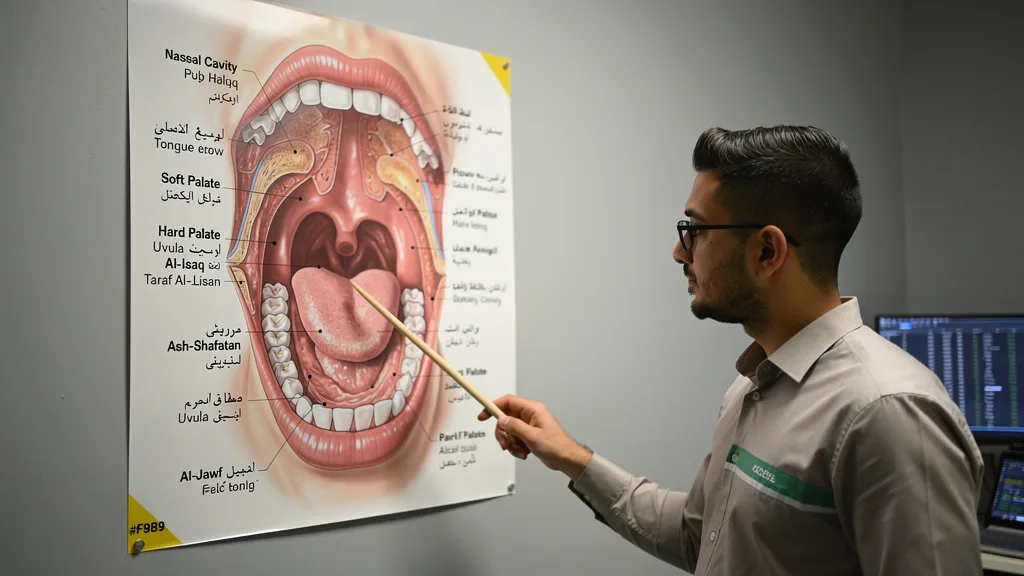
The primary purpose of Tajweed is to protect the reciter from making mistakes and to give each letter its due right and characteristic. When you apply these rules, you engage with the text on a much deeper level, appreciating the eloquence and miracle of the Quranic language. This practice of Tarteel (slow, measured recitation) allows the words to penetrate the heart, fostering a stronger spiritual connection. It transforms the act of reading from a simple vocal exercise into a heartfelt conversation with Allah.
Your Step-by-Step Tajweed Rules Checklist for 2026
Embarking on the journey to perfect your recitation can feel daunting. This step-by-step checklist breaks down the core components of Tajweed into manageable stages. By focusing on one area at a time, you can build a solid foundation and gradually refine your skills for a more confident and accurate recitation.
Step 1: Master the Arabic Alphabet and Makharij (Points of Articulation)
The absolute foundation of Tajweed is the correct pronunciation of each of the 28 Arabic letters. This begins with understanding the Makharij, which are the specific points in the mouth and throat from which each letter originates. There are five main areas of articulation: the throat (Al-Halq), the tongue (Al-Lisan), the lips (Ash-Shafatan), the nasal cavity (Al-Khayshum), and the empty space in the mouth and throat (Al-Jawf).
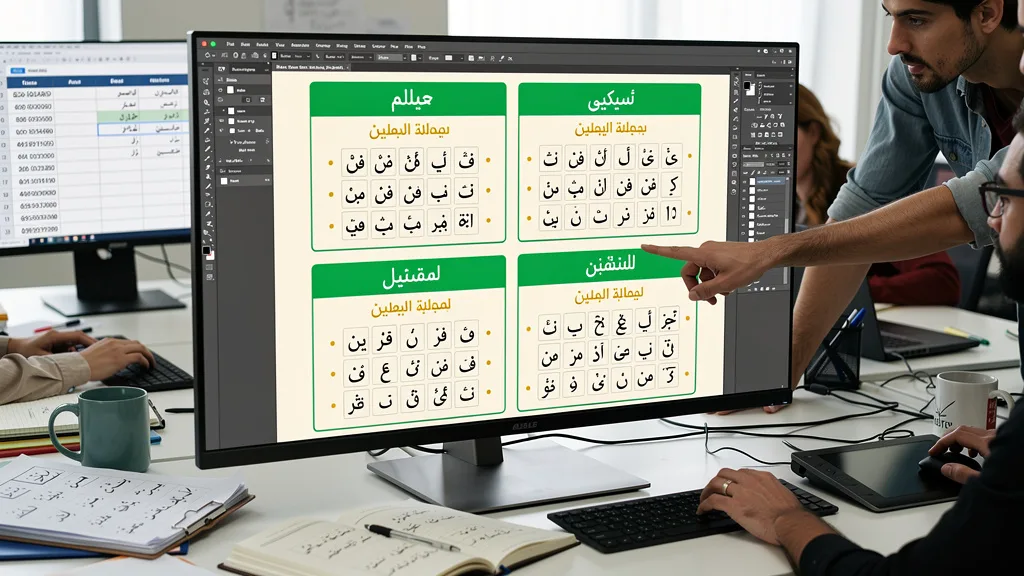
Mastering the Makharij is crucial because producing a letter from the wrong point of articulation can change it into a different letter, thereby altering the meaning of the word. For example, the letters 'ح' (Ha) and 'ه' (ha) come from different parts of the throat, and mixing them up can change the meaning entirely. Consistent practice with a qualified teacher is the best way to ensure you achieve an accurate Quran recitation accent from the very beginning.
Step 2: Understand the Sifaat (Qualities of the Letters)
Once you know where each letter comes from, the next step is to learn its Sifaat, or inherent qualities. These characteristics define how a letter should sound when pronounced, giving it its unique texture and strength. Every letter has a set of opposing qualities, such as Hams (a running of breath) versus Jahr (the trapping of breath), or Shiddah (strength) versus Rakhawah (softness/looseness).
For example, the letter 'س' (Seen) has the quality of Hams, so it is pronounced with a clear flow of air, creating a hissing sound. In contrast, the letter 'ج' (Jeem) has the quality of Jahr, where the breath is trapped, resulting in a stronger, clearer sound. Understanding Sifaat adds precision and beauty to your recitation, ensuring each letter is given its proper due.
Step 3: Apply the Rules of Noon Saakin and Tanween
The rules related to Noon Saakin (a noon with a sukoon: نْ) and Tanween (the double vowels an, in, un: ـًـــٍـــٌ) are among the most frequent in the Quran. These rules dictate how the 'n' sound is pronounced when it is followed by certain letters. There are four main rules to master in this category, each leading to a different phonetic outcome for a melodic flow.
These four rules are fundamental to a smooth and correct quranic recitation. They occur in almost every verse, so mastering them will dramatically improve your reading. Below is a table summarizing these essential guidelines for correct pronunciation.
| Rule Name | Meaning | Letters | How to Pronounce |
|---|---|---|---|
| Izhar (الْإِظْهَار) | To make clear | ء ه ع ح غ خ | Pronounce the 'n' sound of Noon Saakin or Tanween clearly without any nasalization (ghunnah). |
| Idgham (الْإِدْغَام) | To merge | ي ر م ل و ن | Merge the 'n' sound into the following letter. This can be with ghunnah (for ي ن م و) or without ghunnah (for ل ر). |
| Iqlab (الْإِقْلَاب) | To convert | ب | Convert the 'n' sound into a light 'm' sound with ghunnah when followed by the letter Baa. |
| Ikhfa (الْإِخْفَاء) | To hide | The remaining 15 letters | Hide the 'n' sound by preparing to pronounce the next letter, while making a light nasal sound (ghunnah). |
Step 4: Perfect the Rules of Meem Saakin
Similar to Noon Saakin, Meem Saakin (a meem with a sukoon: مْ) has its own set of three rules that depend on the letter that follows it. These rules are generally simpler to apply but are just as important for a correct and beautiful recitation. Mastering them ensures a seamless transition between words and sounds.
- Ikhfa Shafawi (Concealment): This occurs when Meem Saakin is followed by the letter 'ب' (Baa). The 'm' sound is pronounced lightly with ghunnah (nasalization), and the lips are held together gently.
- Idgham Shafawi (Merging): This applies when Meem Saakin is followed by another 'م' (Meem). The two Meems are merged into one, which is then pronounced with ghunnah for the duration of two counts.
- Izhar Shafawi (Clarity): This is the most common rule and applies when Meem Saakin is followed by any letter other than 'ب' or 'م'. The Meem is pronounced clearly and distinctly without any ghunnah.
Step 5: Learn the Different Types of Madd (Elongation)
Madd refers to the elongation or stretching of vowel sounds. It is a key feature that gives Quranic recitation its unique melodic quality. There are two main categories of Madd: Madd Asli (Natural Madd), which is the basic two-count stretch for the long vowels (ا, و, ي), and Madd Far'i (Secondary Madd), which occurs due to specific reasons like a hamzah or sukoon following the Madd letter. learning Tajweed.
Secondary Madd has several sub-types, such as Madd Muttasil (connected), Madd Munfasil (detached), and Madd Lazim (necessary), each with its own specific length of elongation (from four to six counts). While it may seem complex, recognizing the patterns becomes easier with practice. Paying attention to Madd ensures the rhythm and flow of your recitation are correct.
Step 6: Recognize the Rules of Lam and Ra
The letters Lam (ل) and Ra (ر) have special rules regarding whether they are pronounced with a heavy sound (Tafkheem) or a light sound (Tarqeeq). For the letter Lam, the rule primarily applies to the name of Allah (الله). If the word before it ends in a fatha or dammah, the Lam is pronounced heavily. If it ends in a kasra, the Lam is light.
The letter Ra has more detailed rules. It is generally heavy if it has a fatha or dammah and light if it has a kasra. However, the rule changes if the Ra has a sukoon, depending on the vowel of the letter preceding it. Learning these nuances is vital for authentic pronunciation.
Step 7: Apply Qalqalah (Echoing or Vibration)
Qalqalah is the quality of echoing or slight vibration that is applied to five specific letters when they have a sukoon. These letters are collected in the phrase (قطب جد): 'ق' (Qaf), 'ط' (Taw), 'ب' (Ba), 'ج' (Jeem), and 'د' (Dal). When one of these letters is sakin (has a sukoon), especially at the end of a word when pausing, it should be pronounced with a slight bounce to make its sound clear.
There are different levels of Qalqalah, with the strongest being when pausing on one of these letters at the end of an ayah. This rule prevents the sound of these letters from being lost and adds a distinct clarity and strength to the recitation. It is a subtle but important rule for achieving proper pronunciation articulation.
How to Practice and Master Your Quran Recitation
Understanding the rules of Tajweed is the first step, but mastery only comes through dedicated and correct practice. Reciting the Quran is a practical skill, and theoretical knowledge alone is not enough. The following methods will help you translate your knowledge into a beautiful and accurate recitation.
The Importance of Listening and Imitating
One of the most effective ways to learn Tajweed is by listening to and imitating expert Qaris (reciters). Find a reciter whose style you admire and who is known for their precise application of Tajweed, such as Sheikh Mahmoud Khalil Al-Husary or Sheikh Ayman Suwayd. Listen to a short portion of the Quran repeatedly, paying close attention to their pronunciation, rhythm, and application of rules like Madd and Ghunnah.
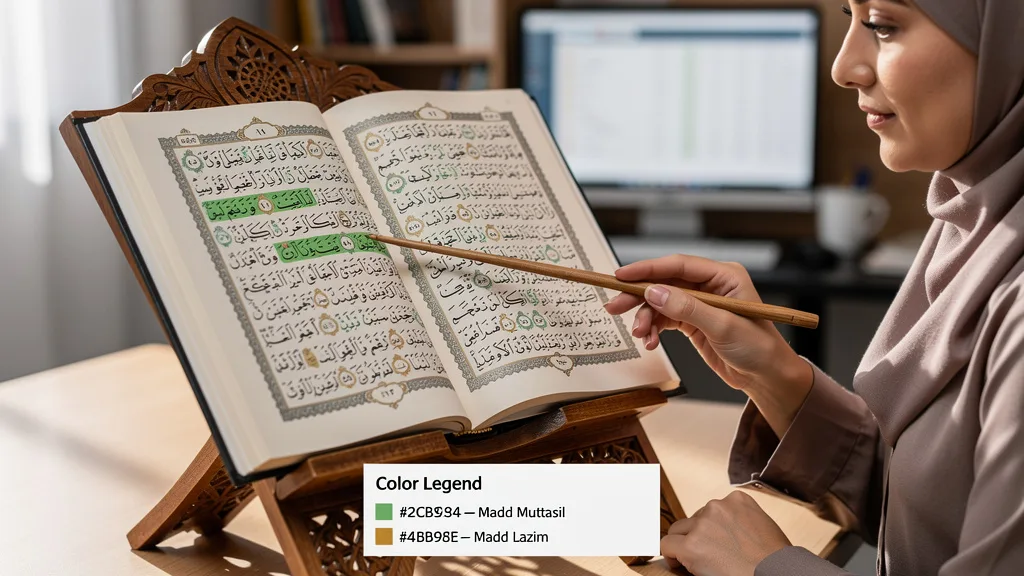
After listening, try to recite the same verses, mimicking their style as closely as possible. This practice, known as shadowing, trains your ear to recognize correct recitation and helps your tongue and mouth muscles adapt to the proper articulation points. It is a traditional and highly effective method for internalizing the melodic flow of the Quran.
Consistent Practice for Gradual Improvement
Consistency is more important than intensity. A short, focused practice session every day is far more beneficial than a long session once a week. Dedicate even 10-15 minutes daily to reciting a small portion of the Quran, focusing specifically on applying the Tajweed rules you have learned. This builds muscle memory and makes the application of rules second nature.
Consider recording yourself reciting and then listening back to it. Compare your recitation to that of an expert Qari. This self-assessment can help you identify recurring mistakes that you might not notice while you are actively reciting. Preparing with a trial Quran class checklist can also help you structure your learning goals and make your practice sessions more effective.
Finding a Qualified Tajweed Teacher
While self-study resources are helpful, they cannot replace the guidance of a qualified teacher. A teacher can provide immediate, personalized feedback and correct subtle mistakes in pronunciation that you might not be able to identify on your own. They can listen to your recitation and pinpoint exactly where your Makharij or Sifaat are incorrect. This one-on-one correction is invaluable and accelerates the learning process significantly.
"The Quran was passed down from generation to generation through oral transmission. Learning with a teacher who has a direct chain of narration back to the Prophet (peace be upon him) is the only way to ensure you are reciting the Quran as it was revealed. A teacher doesn't just correct your mistakes; they transfer a sacred tradition."
A teacher also provides motivation and a structured learning path. For sisters and children who prefer a private learning environment, finding a dedicated female Tajweed teacher online can provide a comfortable and effective space to learn and grow in confidence. This personalized guidance is the key to moving from knowing the rules to truly mastering them.
Common Tajweed Mistakes to Avoid
As you begin your journey with Tajweed, it's natural to make mistakes. Being aware of the common pitfalls can help you avoid them and develop good habits from the start. One of the most frequent errors is incorrect pronunciation of similar-sounding letters, such as 'ت' vs. 'ط', 'س' vs. 'ص', or 'ذ' vs. 'ظ'. This often stems from not mastering the Makharij and Sifaat of each letter.

Another common mistake is inconsistency in the lengths of Madd. Forgetting to stretch a Madd or stretching it for the wrong duration can disrupt the rhythm of the recitation. Similarly, misapplying the rules of Noon Saakin and Tanween, especially Ikhfa (hiding), is a frequent issue for beginners. Many learners find the rules overwhelming, but resources like this video on what to do when there are TOO MANY Tajweed Rules? Here's a great way to simplify your approach. The key is to be patient with yourself and focus on one rule at a time with the guidance of a teacher.
Key Takeaways
Perfecting your Quran recitation is a beautiful and rewarding journey. As you apply this checklist, remember these core principles to guide your learning and practice in 2026. This comprehensive guide provides the essential guidelines for correct quranic recitation.
- Foundation First: Mastering the Makharij (points of articulation) and Sifaat (qualities of letters) is the non-negotiable foundation for all other Tajweed rules.
- Focus on Frequent Rules: Pay special attention to the rules of Noon Saakin, Meem Saakin, and Madd, as they appear in nearly every verse of the Quran.
- Listen and Imitate: Regularly listen to expert Qaris to train your ear and voice. This is one of the most effective methods for internalizing the correct sound and rhythm.
- Consistency Over Intensity: Short, daily practice sessions are more effective for building muscle memory and long-term mastery than infrequent, long sessions.
- A Teacher is Essential: Self-study can only take you so far. A qualified teacher provides the crucial feedback and personalized correction needed to avoid ingrained mistakes and achieve true proficiency.
Frequently Asked Questions
How long does it take to learn Tajweed rules?
The time it takes to learn Tajweed varies greatly from person to person. It depends on factors like your native language, previous exposure to Arabic, the amount of time you dedicate to practice, and the quality of your teacher. Generally, you can learn the basic theoretical rules within a few months. However, mastering their practical application and reciting fluently can take anywhere from six months to a few years of consistent effort.
Can you learn to read Quran with Tajweed on your own?
While you can learn the basic theory of Tajweed rules on your own using books, apps, and online resources, it is nearly impossible to master the practical application without a qualified teacher. Tajweed is an oral and auditory science. A teacher listens to your recitation, corrects your specific pronunciation mistakes, and ensures you are applying the rules correctly. Without this feedback, you risk practicing and ingraining mistakes, which can be very difficult to unlearn later. Finding the best online Quran tutor can make all the difference.
What is the difference between Tajweed and Tarteel?
Tajweed refers to the set of rules that govern the correct pronunciation of the Quran. It is the science or the 'how-to' guide. Tarteel, on the other hand, is the practical application of these Tajweed rules while reciting the Quran in a slow, clear, and measured pace. Allah says in the Quran, "and recite the Qur'an with measured recitation (Tarteel)" (73:4). So, Tajweed is the tool, and Tarteel is the act of using that tool to recite beautifully and correctly.
Are there any apps that help with learning Tajweed?
Yes, there are several helpful apps that can supplement your learning. Many Quran apps feature color-coded text that highlights different Tajweed rules as you read. Others have audio clips for each letter and word, allowing you to hear the correct pronunciation. Some apps even use AI to listen to your recitation and provide feedback. While these tools are excellent for practice and reinforcement, they should be used as aids alongside instruction from a live teacher, not as a replacement.
Conclusion
Following this Tajweed rules checklist for perfect Quran recitation provides a clear and structured path to beautifying your relationship with the Word of Allah. By focusing on the fundamentals of Makharij and Sifaat, consistently practicing the rules of Noon, Meem, and Madd, and seeking the indispensable guidance of a qualified teacher, you transform your recitation from a simple reading to a profound act of worship. This journey is one of patience and devotion, and every step taken brings you closer to reciting the Quran as it deserves to be recited.
If you are a sister, a mother, or a young learner seeking a private, comfortable environment to master your recitation, our qualified female teachers are here to guide you. Take the first step on your journey today with personalized, one-on-one instruction. We invite you to experience our teaching method with a complimentary trial class. Book Free Trial.