
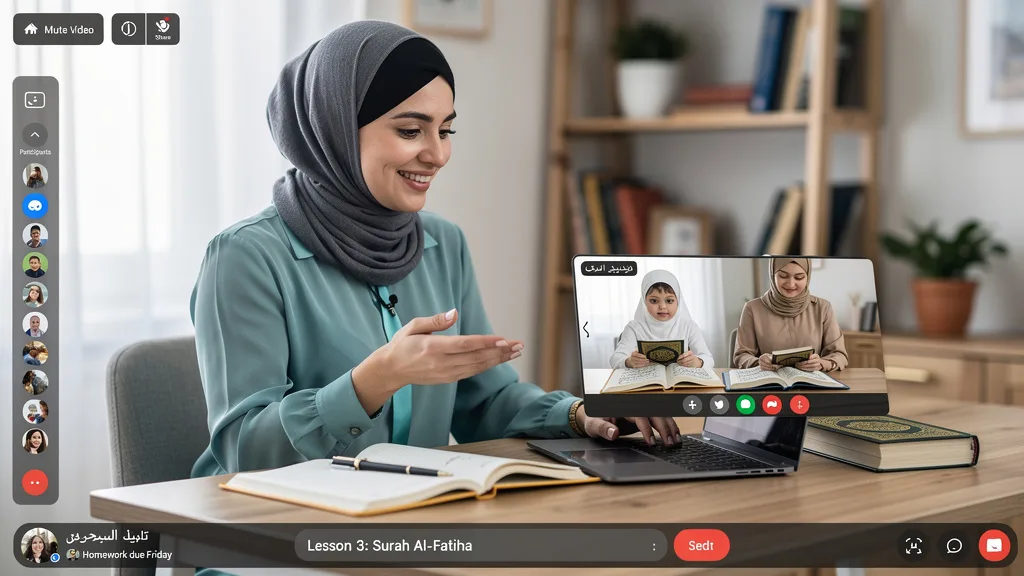
Are you wondering how a trial Quran class can cater to both your child's playful curiosity and your own desire for deep, reflective learning? Choosing the right online Quran education for your family is a significant decision, and understanding how the approach differs between age groups is the first step to making an informed choice that fosters a lifelong love for the Holy Quran.
A trial Quran class for adults vs kids: key differences are centered on methodology, goals, and curriculum. For children, the trial focuses on engagement through games and stories to build foundational skills in a fun environment. For adults, the trial emphasizes assessing current knowledge, introducing advanced Tajweed concepts, and demonstrating the flexibility required for a busy lifestyle, focusing on deeper spiritual understanding and correct recitation.
At Hidayah Quran Academy, we specialize in creating personalized 1-on-1 learning experiences with qualified female teachers for sisters, children, and adult beginners. We recognize that a five-year-old and a forty-year-old have vastly different needs, motivations, and learning styles. This guide breaks down what you can expect from a trial class for each, helping you find the perfect fit for every member of your family.
Adults vs. Kids Quran Classes: An At-a-Glance Comparison
Understanding the fundamental distinctions between Quranic education for adults and children can help set realistic expectations for a trial class. While the ultimate goal is to connect with the words of Allah, the journey is unique for each age group. Adults bring life experience and intrinsic motivation, while children bring boundless curiosity and a capacity for rapid language acquisition.

This table provides a clear overview of the key differences you will encounter. Use it as a quick reference to see how teaching styles, curriculum focus, and learning objectives are adapted to suit the student's age and developmental stage.
| Feature | Adult Quran Classes | Kids Quran Classes |
|---|---|---|
| Teaching Style | Discussion-based, analytical, and focused on practical application. | Game-based, interactive, storytelling, and highly engaging. |
| Pace | Student-led, flexible, and adaptable to busy schedules. | Structured, short sessions with varied activities to maintain focus. |
| Curriculum Focus | Advanced Tajweed, Tafsir, translation, and spiritual reflection. | Noorani Qaida, letter recognition, basic Duas, and short Surahs. |
| Learning Goals | Perfecting recitation, deeper understanding, and spiritual connection. | Building a positive relationship with the Quran and mastering basics. |
| Motivation | Intrinsic, goal-oriented, and self-driven. | Extrinsic, based on praise, rewards, and fun activities. |
| Parental Role | None, learner is autonomous and self-disciplined. | Essential for technical setup, practice, and encouragement. |
While the at-a-glance comparison provides a high-level view, the nuances become clearer when we delve into the specific components of a trial lesson. A qualified teacher understands that a trial is not just a demonstration but an assessment. It's an opportunity for the instructor to understand the student's needs and for the student to experience the teaching style firsthand. The following sections explore these differences in greater detail.
Teaching Methodology and Style
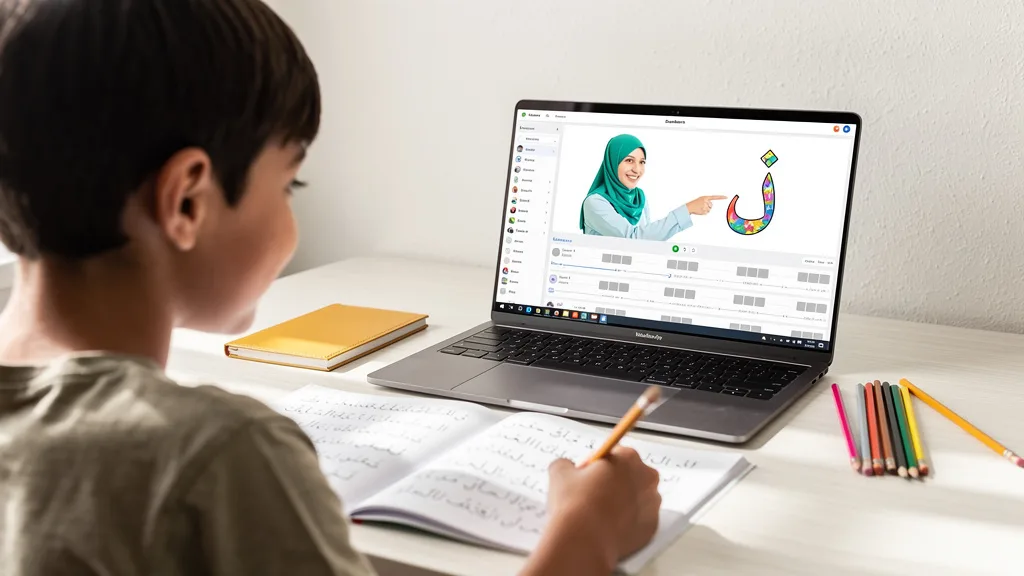
For children, a teacher's primary goal during a trial class is to create a warm, engaging, and fun atmosphere. The methodology revolves around interactive tools like digital whiteboards, educational games, and colorful visuals to teach the Arabic alphabet. Positive reinforcement, praise, and a gentle tone are essential to make the child feel comfortable and excited about learning. The teacher acts more like a friendly guide, sparking curiosity rather than delivering a formal lecture.
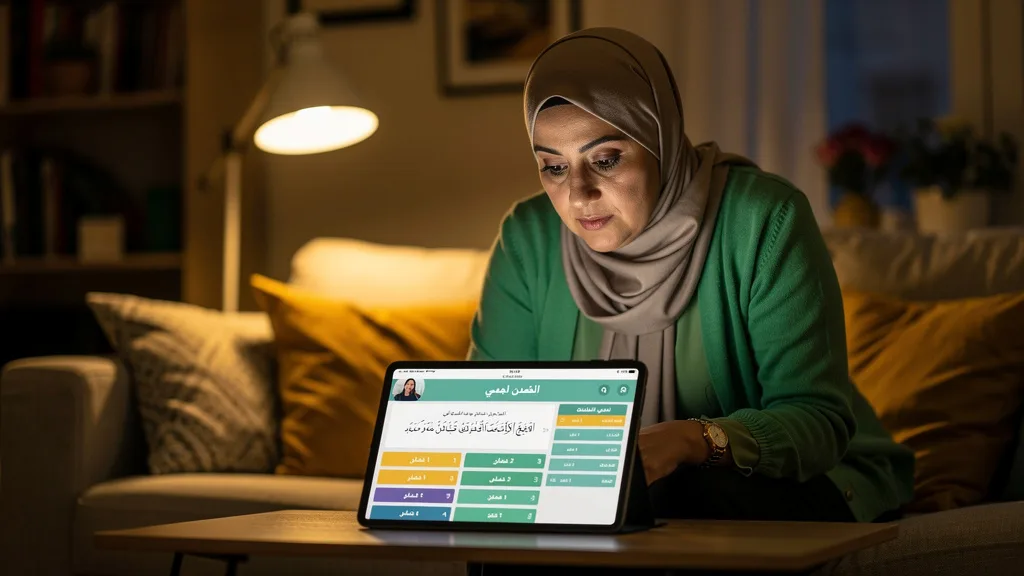
In contrast, an adult's trial class is more collaborative and analytical. The teacher will engage you in a discussion to understand your background with the Quran and your specific goals. The methodology is often more direct, focusing on identifying and correcting Tajweed mistakes, explaining the linguistic roots of Arabic words, and discussing the context of verses. The teacher serves as a mentor, facilitating a deeper connection with the text through intellectual and spiritual guidance.
Learning Pace and Attention Span
One of the most significant differences is the management of pace and attention. A trial class for a child is typically short, around 30 minutes, and broken into several small activities. A teacher might spend five minutes on letter recognition, five minutes on a related story, and another five on a fun nasheed. This variety is crucial for holding a young child's attention and preventing them from feeling overwhelmed.
Adult learners, on the other hand, can sustain focus for longer periods. A trial class for an adult may also be 30 minutes, but it will be more focused on a single topic, such as the rules of Noon Sakinah and Tanween or the meaning of a specific ayah. The pace is determined by the student's ability to grasp concepts and their desire to ask questions. This flexibility allows adults to control their learning journey, ensuring they fully understand a topic before moving on. To get the most out of your session, it's helpful to learn how to prepare for a free trial Quran class beforehand.
Motivation and Learning Goals
Motivation is a key differentiator. Children are often motivated extrinsically; they learn because their parents wish them to, and they respond well to rewards, praise, and the inherent fun of the lesson. The primary goal of a child's trial class is foundational: to assess their ability to recognize letters and sounds and to establish a positive connection with the teacher and the Quran itself.
Adults are typically intrinsically motivated. You may be seeking to correct lifelong recitation habits, learn as a new Muslim, or finally find the time to study the Quran's meaning after years of being busy with work and family. Your goals are specific and personal. A trial class for an adult is designed to demonstrate that the teacher can help you achieve those specific objectives, whether it's perfecting your makharij (articulation points) or beginning your Hifz (memorization) journey.
Curriculum Focus and Depth
The curriculum presented in a trial class will vary significantly. For a child who is a complete beginner, the focus will be on the very first steps of the Noorani Qaida, which teaches how to recognize and pronounce the Arabic alphabet. The teacher will assess if the child can distinguish between similar-sounding letters and will introduce them to the basic vowels in a playful manner.
For an adult, the curriculum focus is tailored to their existing level. If you can already read, the trial may involve reciting a few verses of the Quran so the teacher can assess your Tajweed. They might then introduce an advanced rule or begin explaining the Tafsir (exegesis) of a short Surah to showcase the depth of the program. This allows you to see how the classes will go beyond basic reading and help you connect with the Quran on a much deeper level. Exploring some of the best Quran translations and Tafsir can complement this journey.
The Role of Parental Involvement
Parental involvement is non-negotiable for a child's success in online Quran classes. During the trial class, the parent's role is to ensure the technical setup is working, to provide encouragement, and to help the child stay focused. The teacher will also use this time to communicate with the parent, discuss the child's learning style, and set expectations for the course. This partnership between teacher and parent is vital.
For adult learners, the dynamic is one of complete autonomy. You are responsible for your own learning, scheduling, and practice. The trial class is a direct interaction between you and the teacher, establishing a professional and respectful student-mentor relationship. This independence is one of the key benefits of online learning for adults, offering the privacy and focus needed for sincere study.
Embarking on your Quranic studies as an adult is a profound and personal decision. A trial class is designed to honor that, providing a respectful and focused environment where you can assess the teacher's expertise and teaching style. It's less about games and more about substance, connection, and a clear path forward. foundational skills.
Focus on Tajweed and Deeper Understanding
In your trial class, the primary focus will be on the quality of your recitation and your depth of understanding. The teacher will likely ask you to recite a portion of the Quran you are familiar with. This is not a test but a diagnostic to gently identify areas for improvement in Tajweed. You can expect the teacher to provide immediate, constructive feedback on pronunciation and rules.
Beyond recitation, the teacher may introduce you to the translation and brief commentary of the verses you read. This demonstrates that the classes aim for holistic learning, connecting the science of recitation with the spiritual and practical wisdom of the Quran. This approach is particularly beneficial for sisters seeking a supportive learning environment, as highlighted in our guide to free online Quran classes for sisters.
Flexible Scheduling for Busy Lives
A significant part of the trial class for an adult is experiencing the convenience that online learning offers. The process of booking and attending the trial itself showcases how classes can fit into a busy schedule, whether you are a working professional, a university student, or a mother managing a household. The one-on-one format means that your learning is not dictated by a group's pace.
During the trial, the teacher will likely discuss scheduling options with you, confirming that they can accommodate your time zone and availability. This personalized approach ensures that your Quranic education does not become another source of stress but rather a source of peace and tranquility in your packed life. The convenience and personalized attention are often what make online learning more effective than trying to find a qualified local teacher.
What to Expect in a Trial Quran Class for Kids
A child's first formal interaction with the Quran should be positive, memorable, and joyful. A trial class is carefully designed to be a welcoming gateway to their long and beautiful journey with the Book of Allah. The emphasis is on comfort, connection, and fun, ensuring they leave the session eager for their next class.
Engaging Activities and Foundational Basics
From the moment the class begins, the teacher will focus on building rapport with your child. Expect a warm welcome, smiles, and a friendly tone. The lesson will be built around engaging activities rather than rote memorization. The teacher might use a digital puppet to introduce Arabic letters, play a matching game with letter sounds, or use an online coloring tool to make the lesson interactive.

The academic goal is to assess their starting point. Can they recognize any letters? Do they know any short surahs? The teacher will gently probe this through these activities. For example, they might ask the child to find the letter 'Alif' in a colorful picture. The entire session is structured to feel like playtime, cleverly embedding foundational learning within it. Many providers offer specialized online Quran classes for kids in the USA and other regions, tailored to their specific needs.
Building a Positive Relationship With the Quran
More important than any academic objective, the trial class aims to plant the seed of love for the Quran in your child's heart. The teacher's role is to be a positive Islamic role model who makes your child associate learning the Quran with happiness and warmth. You will notice the teacher using plenty of praise and encouragement for even the smallest effort.
"In a child's first Quran lesson, the goal isn't to perfect their pronunciation of a letter. The goal is to make them smile when they see the Quran. If we achieve that, we have succeeded." - Senior Instructor, Hidayah Quran Academy.
The session will conclude on a high note, perhaps with a short, positive story or a promise of another fun game in the next class. This ensures the child's lasting impression is one of joy and anticipation, which is the most critical foundation for their future studies.
How to Choose the Right Trial Class for Your Family
Now that you understand the key differences, how do you choose the best option? A trial class is your opportunity to conduct due diligence. It's a chance to look beyond the website and experience the quality of education firsthand. Here are a few key factors to consider to ensure you make the best choice for your family's unique needs.
Assess the Student's Learning Style
Every individual, whether a child or an adult, has a unique learning style. Some are visual learners who benefit from seeing the letters written out, while others are auditory learners who learn best by listening and repeating. During the trial, observe how the teacher adapts their methods. Do they use a variety of tools to cater to different styles?
For a child, you might notice if they respond better to a story or a song. For an adult, consider if the teacher's explanations are clear and if their feedback resonates with how you process information. A good instructor will be able to identify and adapt to the student's learning style even within a short trial session. It's one of the key mistakes to avoid in a trial Quran class to ignore this crucial aspect of compatibility.
Evaluate Teacher Qualifications and Experience
A teacher's credentials are of utmost importance. Look for instructors who are Hafiz/Hafiza and possess an Ijazah (a license to teach the Quran). However, academic qualifications alone are not enough. It is crucial to evaluate their experience and suitability for the specific student. A teacher who is excellent with advanced adult students may not have the patience or playful demeanor required to teach a five-year-old.
During the trial class, ask about the teacher's experience with your or your child's age group and learning level. Observe their communication skills. For a child's class, is the teacher warm, patient, and encouraging? For an adult's class, is the teacher articulate, knowledgeable, and respectful? The connection between student and teacher is the single most important factor in a successful learning journey.
Consider the Technical Setup and Platform
The practical aspects of online learning cannot be overlooked. A trial class is the perfect opportunity to test your technical setup. Do you have a stable internet connection? Is the audio and video quality clear? The platform used, whether it's Zoom, Google Meet, or WhatsApp, should be user-friendly for you or your child.
If you encounter technical glitches, note how the teacher handles them. A seasoned online instructor will be able to troubleshoot minor issues calmly and efficiently, ensuring minimal disruption to the lesson. A smooth technical experience is essential for a focused and effective learning environment, a key point when considering Online Quran Classes For Kids and adults. Online vs In.
Key Takeaways
Choosing the right path for Quranic education is a significant step. As you weigh your options, keep these central points in mind to guide your decision for yourself or your children.
- Different Goals, Different Methods: Trial classes for kids are designed to be fun and build a positive foundation, using games and stories. Adult trials are focused on assessing skill, providing deep knowledge, and demonstrating flexibility.
- Pace and Attention are Key: Children require short, varied sessions to stay engaged, while adults benefit from a more focused, in-depth approach that they can control.
- Teacher Specialization Matters: A teacher's qualification is important, but their experience and temperament with a specific age group (adult vs. child) is what truly determines success.
- The Trial is a Two-Way Interview: Use the trial not just to see what is taught, but how it is taught. It's your chance to assess the teacher's style, the technical platform, and the overall fit for the student.
- Motivation Drives the Curriculum: An adult's intrinsic goals for spiritual growth shape their learning path, while a child's journey is nurtured through extrinsic motivation like praise and encouragement from parents and teachers.
Frequently Asked Questions
At what age should kids start learning the Quran?
The ideal age for children to begin formal Quran classes is typically between four and five years old. At this stage, most children have developed the ability to recognize letters and shapes, and their attention span is sufficient for short, structured lessons. Starting early helps them become familiar with the sounds and rhythm of the Arabic language, building a strong foundation for a lifetime of learning.
However, it is important to ensure the child is emotionally ready and that the introduction is gentle and positive. The goal at this age is not mastery but fostering a love for the Quran. An earlier, informal introduction through listening to recitation and Islamic stories at home is also highly beneficial.
How can adults effectively learn the Quran online?
Adults can learn the Quran very effectively online by adopting a structured and disciplined approach. The key is consistency; setting aside a specific time for classes and daily practice is crucial. Choosing a one-on-one class with a qualified teacher is highly recommended, as it provides personalized feedback and allows you to learn at your own pace without the pressure of a group setting.
To maximize effectiveness, you should be clear about your goals. Whether you want to improve Tajweed, understand the meaning, or begin memorization, communicating this to your teacher will help them tailor the curriculum to your needs. Utilize recordings of your sessions to practice and review lessons throughout the week.
What should a good online Quran class include?
A good online Quran class should include several key components. First and foremost is a qualified and experienced teacher with whom the student connects well. The curriculum should be structured and progressive, starting from the basics and building up logically. For children, it must incorporate engaging and interactive elements, while for adults, it should offer depth and intellectual stimulation.
Technically, the class should be conducted on a stable platform with clear audio and video. One-on-one attention is a significant advantage of many online programs, ensuring personalized instruction. Finally, there should be clear communication and progress tracking, so students and parents know how they are advancing. Comparing the benefits of Online vs In-person classes can help you decide what features are most important to you.
How long is a typical trial Quran class?
A typical trial Quran class is usually around 30 minutes long. This duration is considered optimal as it is long enough for the teacher to assess the student's current level and demonstrate their teaching style, and for the student to get a feel for the class. It is also short enough to hold a young child's attention without overwhelming them.
At Hidayah Quran Academy, we offer a free 30-minute trial class. This allows families to experience our one-on-one instruction with a qualified female teacher and ensure it is the right fit before making any commitment. It's a no-pressure way to verify the quality of teaching and the student-teacher connection.
Are online Quran classes as effective as in-person lessons?
Yes, online Quran classes can be just as effective, and in many cases more effective, than in-person lessons. Online learning provides access to a global pool of highly qualified teachers, which may not be available locally. The one-on-one format common in online academies offers personalized attention that is often not possible in a group setting like a weekend madrasah.
Furthermore, the convenience and flexibility of scheduling allow for greater consistency, which is key to progress. With the use of modern interactive tools, online teachers can create an engaging and effective learning environment. The effectiveness ultimately depends on the student's discipline, the quality of the teacher, and the structure of the program.
Conclusion
Understanding the distinct approaches in a trial Quran class for adults vs kids is the first and most crucial step in providing your family with a meaningful Quranic education. For children, the journey begins with joy, engagement, and a positive connection to their teacher and the Holy Book. For adults, it is a path of focused intention, seeking to deepen knowledge and perfect recitation with flexibility and expert guidance. The trial class serves as your window into this experience, allowing you to ensure the methodology aligns perfectly with the student's needs.
Ready to experience a personalized Quran education tailored to your family's needs? Hidayah Quran Academy offers a welcoming environment for sisters, children, and adult beginners with qualified female teachers. Take the first step on this blessed journey.
If you want help turning this into a concrete plan for your site or team, take the next step below to apply Trial Quran Class for Adults vs Kids: Key Differences with confidence.
Ready to act on Trial Quran Class for Adults vs Kids: Key Differences? Book Free Trial — tell us your goal, and we will help you pick the highest-leverage next step so you are not guessing alone.