
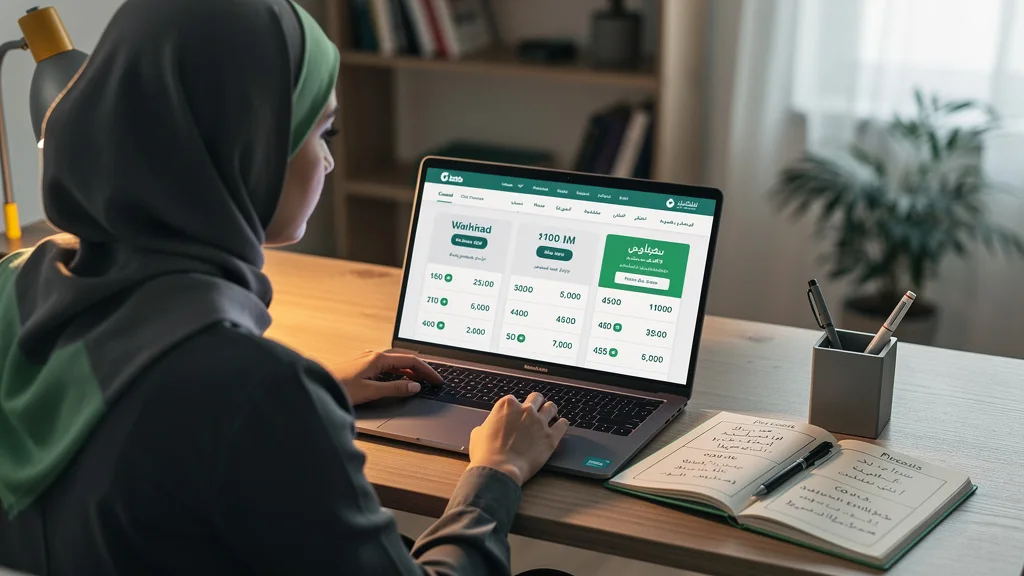
How much should you budget to learn Arabic in 2026? The answer can be complex, with prices ranging from free mobile apps to thousands of dollars for university-level programs. Understanding the full financial picture is crucial to choosing a course that fits your goals without unexpected expenses. This guide provides a complete checklist for evaluating Arabic course costs, including typical fees, the value of free trials, and common hidden charges.
The cost to learn Arabic in 2026 varies from completely free for self-study resources to over $1,000 for intensive university courses. A popular middle ground, private online tutoring, typically costs between $10 and $40 per hour. The final price depends on the instruction format (private vs. group), the teacher's qualifications, course intensity, and whether materials and certifications are included. Using an Arabic course cost checklist helps you compare options accurately.
Understanding Arabic Course Costs in 2026
As you begin your journey to learn Arabic, setting a realistic budget is a primary concern. The landscape of language education has shifted significantly, with a vast array of online options making learning more accessible than ever. However, this variety also brings a wide spectrum of pricing models. Costs can range from a few dollars a month for a subscription app to several hundred dollars per month for personalized instruction.
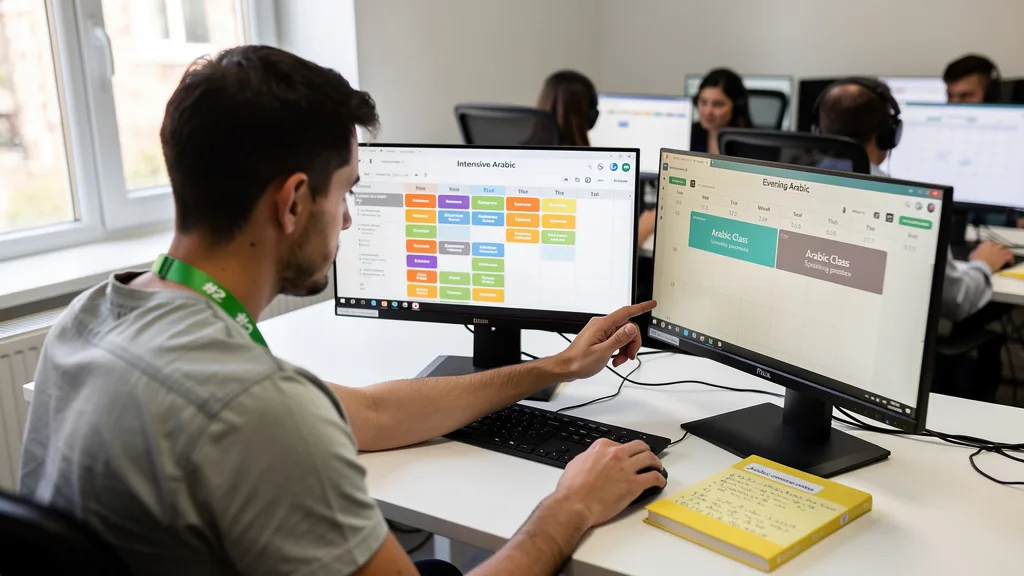
It's important to look beyond the advertised monthly or hourly rate. The total investment includes not just the tuition but also potential extra costs for books, software, and exam fees. By understanding the factors that influence pricing and knowing what questions to ask, you can identify the best value for your specific learning objectives, whether that's conversational fluency, business communication, or understanding the Quran.
Key Factors That Determine Arabic Course Pricing
The price tag on an Arabic course is not arbitrary. Several key elements combine to determine the final cost. By dissecting these factors, you can better understand why one course is more expensive than another and decide which features are most important for your investment.
Instruction Format: Private Tutor vs. Group Class vs. App
The format of instruction is one of the biggest drivers of cost. Private, one-on-one tutoring offers a completely personalized learning experience tailored to your pace and goals, but it comes at the highest hourly rate. You receive undivided attention from your instructor, allowing for immediate feedback and a curriculum designed just for you.
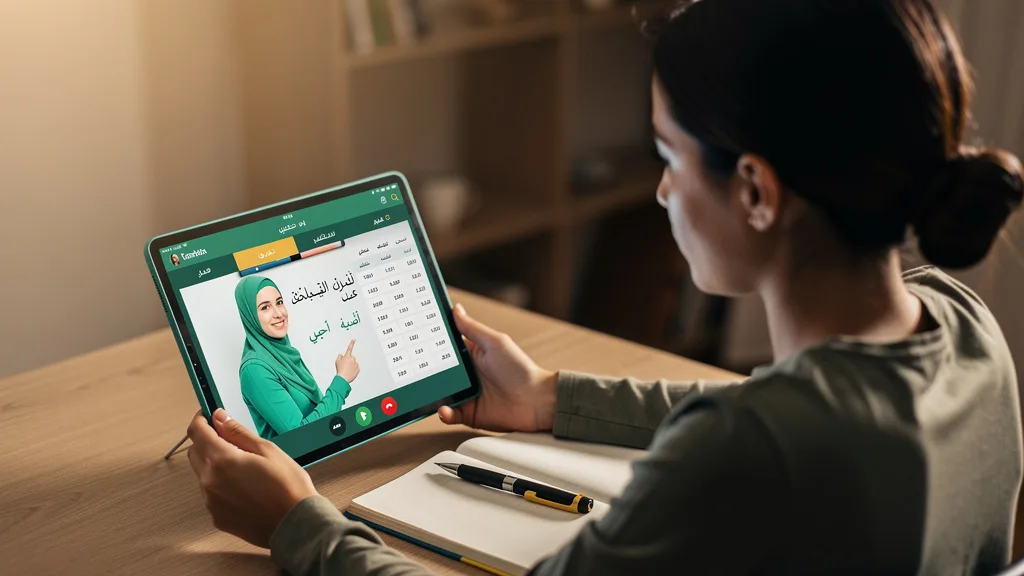
Group classes, whether online or in-person, are a more affordable alternative. They provide a structured learning environment and the opportunity to interact with fellow students. However, the instructor's attention is divided, and the class progresses at a set pace that may not be ideal for everyone. Lastly, language learning apps are the most budget-friendly option, often with free versions available. While great for vocabulary building, they lack the conversational practice and expert guidance needed for true fluency.
Instructor Qualifications and Location
The expertise of your teacher plays a significant role in the course cost. Instructors with advanced degrees, formal teaching certifications, and years of experience command higher rates. A native Arabic speaker who is also a trained pedagogue can offer deeper insights into grammar, pronunciation, and cultural nuances than a casual speaker.
Furthermore, the instructor's geographical location matters, especially in the online space. A tutor based in the United States or the UK will generally have higher rates than an equally qualified tutor based in a country with a lower cost of living, such as Egypt. When considering your options, weigh the instructor's credentials against your budget. For specialized learning, such as Quranic Arabic, the value of a qualified female Quran teacher can be invaluable.
Course Intensity and Total Duration
How often and for how long you study will directly affect your monthly expenses. An intensive course with daily lessons will have a higher monthly cost than a program with one or two classes per week. However, intensive programs can sometimes lead to faster progress, potentially reducing the total duration and overall cost required to reach your goals.
When evaluating programs, consider the total number of instruction hours included in the package. Some courses are sold as a complete package designed to take you from beginner to intermediate, while others operate on a pay-as-you-go or monthly subscription basis. Be sure to clarify the total commitment, both in time and money, before enrolling.
Included Materials and Certifications
A comprehensive course should provide all necessary learning materials, but this isn't always the case. Ask whether the course fee includes digital textbooks, workbooks, access to software, or other essential resources. If not, these items can add a significant amount to your total investment, so be sure to budget for them separately.
Additionally, if you need a formal certificate of completion for professional or academic reasons, inquire if one is offered and if there is an associated fee. Some institutions charge for issuing and mailing official documents or for administering the final examination required for certification. These seemingly small fees can add up, so it's wise to get a clear answer upfront.
Average Cost of Arabic Learning Methods
To help you budget effectively, it's useful to see a breakdown of average costs for the most common methods of learning Arabic. The following table provides a general overview of what you can expect to pay in 2026 for different approaches, highlighting the pros and cons of each.
| Learning Method | Average Cost | Pros | Cons |
|---|---|---|---|
| Private Online Tutor | $10 - $40 / hour | Personalized attention, flexible scheduling, tailored curriculum | Higher hourly cost |
| Group Online Class | $150 - $400 / month | Structured, interactive with peers, more affordable than private | Less individual feedback, fixed pace |
| Language Learning App | $0 - $15 / month | Very low cost, self-paced, convenient for vocabulary | Lacks speaking practice and deep grammar instruction |
| University Program | $500 - $2000+ / course | Academic credit, highly structured, access to resources | Very expensive, rigid schedule, may not be practical |
Online Platforms and Self-Paced Courses
Platforms like Udemy, Coursera, and specialized language websites offer pre-recorded video courses that you can complete at your own pace. These are an excellent option for self-motivated learners who want structure without a fixed schedule. The cost for these courses typically ranges from a one-time fee of $20 to $200, often with lifetime access to the materials. While affordable, they lack the crucial element of live feedback and conversation practice with an instructor.
Private Online Tutoring Sessions
For those seeking a balance of flexibility and expert guidance, private online tutoring is often the most effective method. Services like iTalki, Preply, or dedicated academies connect students with tutors from around the world. As of 2026, hourly rates for online Arabic classes typically fall between $10 and $40, depending on the tutor's experience and location. This one-on-one format allows for a fully customized learning plan that targets your specific weaknesses and goals. You can find more details in a complete guide to Arabic classes pricing.
University and Language School Programs
Traditional academic routes remain a popular, albeit expensive, choice. Enrolling in an Arabic course at a university or a dedicated language school provides a rigorous, structured curriculum and the potential for academic credit. These programs often come with a high price tag, ranging from $500 to over $2,000 per semester or course. This option is best for students who need formal qualifications or thrive in a traditional classroom setting. For those interested in immersive experiences, exploring The Best Arabic Language Schools abroad can be an alternative.
Language Learning Apps
Mobile apps like Duolingo, Memrise, and Mango Languages have made language learning more accessible than ever. Most offer a freemium model, with basic features available for free and premium subscriptions costing between $5 and $15 per month. These apps are excellent for building foundational vocabulary and practicing basic sentence structures in your spare time. However, they are best used as a supplement to a more comprehensive course, as they cannot replace the nuanced feedback of a live instructor. You can find reviews of the top apps to learn Quranic Arabic to see which might suit your goals.
Beyond the Sticker Price: Uncovering Hidden Fees
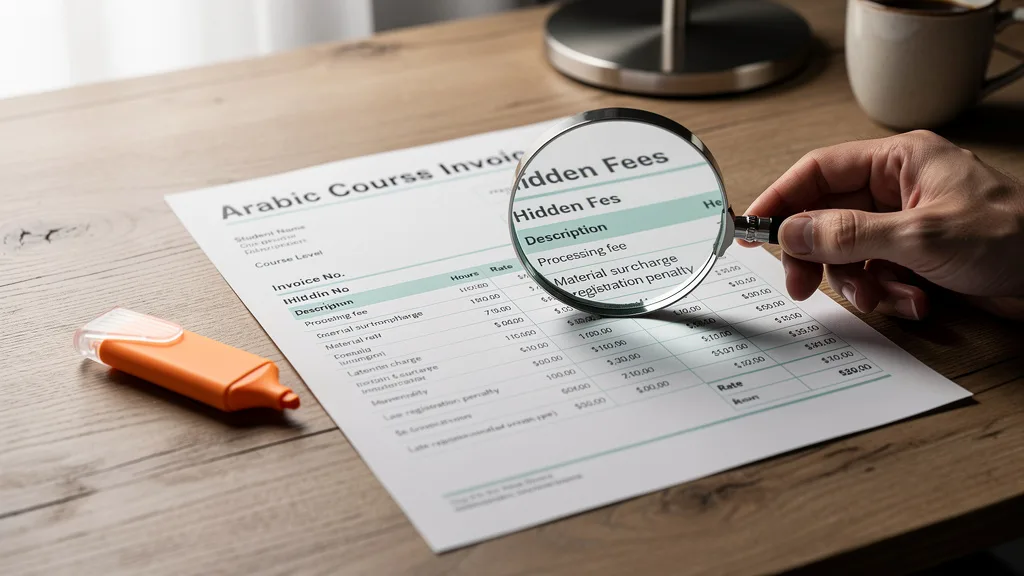
One of the most frustrating aspects of budgeting for a course can be the discovery of hidden fees. What seems like an affordable program can quickly become more expensive once you account for all the extras. Being a savvy consumer means asking about these potential costs before you enroll.
Registration and Administrative Fees
Many formal institutions, including language schools and universities, charge a one-time, non-refundable registration or application fee. This can range from $25 to over $100 and is meant to cover administrative processing. While less common with independent online tutors, it's always a good question to ask when you first inquire about a program.
Required Textbooks and Software
Your course will almost certainly require a textbook or other learning materials. Find out if these are included in the tuition or if they are a separate purchase. Textbooks can cost anywhere from $30 to $150 or more, and some online courses may require a subscription to proprietary software or learning platforms. These costs can significantly inflate your initial budget if not accounted for. learning objectives.
Examination and Certification Costs
If you plan to take a proficiency exam or receive an official certificate at the end of your course, check if there are additional fees. Some programs include this in the overall price, but others charge separately for exam proctoring, certificate issuance, and even shipping. Clarifying these costs upfront ensures there are no surprises when you complete your studies.
How to Learn Arabic Fast and Free Online
While mastering Arabic requires commitment, starting your journey doesn't have to break the bank. There are numerous ways to learn Arabic fast and free online, especially when you're just beginning. These methods can help you build a solid foundation or supplement your paid studies without any financial investment.
The best way to manage your Arabic course cost is to start with free trials. They allow you to assess instructor quality and course structure without any financial commitment, ensuring you find the perfect fit for your learning style.
Maximizing Free Trials and Demo Lessons
Many online tutors and language academies offer a free trial lesson. This is arguably the most valuable resource for a prospective student. A 20-30 minute demo allows you to meet the instructor, experience their teaching style, and evaluate the platform's technical quality. It's a risk-free opportunity to ensure a good fit before you commit financially. Taking advantage of these offers, like free trials for sisters, is the smartest first step in your search.
Utilizing Free Language Exchange Websites
Language exchange platforms like Tandem and HelloTalk connect you with native Arabic speakers who want to learn your language. You can practice speaking via text, audio, and video chat for free. The exchange is simple: you spend some time speaking Arabic with them, and in return, you help them practice English or another language you speak fluently. This is an excellent way to improve conversational skills and make cultural connections.
Exploring Public Library and University Resources
Your local public library is a treasure trove of free resources. Many library systems provide free access to premium language-learning software like Rosetta Stone, Mango Languages, and Pimsleur with just your library card. Additionally, some universities post free Arabic learning materials, lecture notes, and video lessons online as part of their open courseware initiatives. A quick search can uncover a wealth of high-quality academic content at no cost.
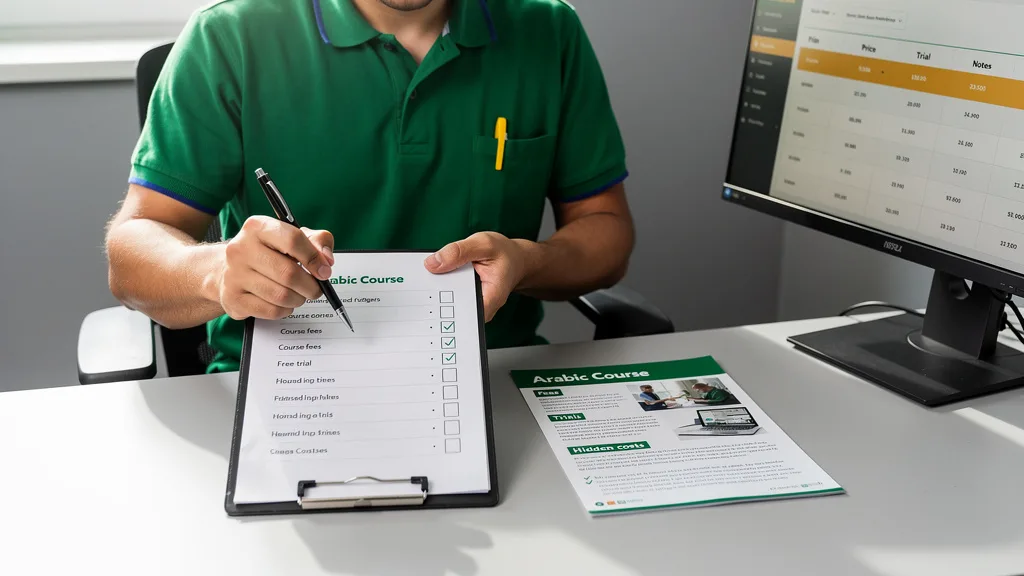
Your Pre-Purchase Arabic Course Checklist
Before you enter your credit card information, run through this final checklist. Asking these questions will empower you to make an informed decision and find a course that truly meets your needs and budget. A thorough evaluation upfront prevents disappointment later.
- Instructor Credentials: What are the teacher's qualifications, experience, and native language? Are they trained in pedagogy?
- Learning Focus: What dialect is taught (Modern Standard Arabic, Egyptian, Levantine)? Is the focus on conversational skills, grammar, or a specific field like Quranic Arabic?
- Format and Size: Is it a private one-on-one session or a group class? If it's a group, what is the maximum number of students?
- Total Cost Breakdown: What is the full cost? Ask specifically: "Are there any registration fees, material costs, or exam fees not included in the price?"
- Scheduling and Flexibility: What is the class schedule? Can lessons be rescheduled if needed, and what is the policy for doing so?
- Trial Lesson: Is a free or discounted trial lesson available to assess the teaching style and platform?
- Materials: Are all textbooks, workbooks, and software included in the course fee?
- Refund Policy: What is the cancellation and refund policy if the course does not meet your expectations?
Key Takeaways
Navigating the costs of learning Arabic can be straightforward if you know what to look for. This summary highlights the most critical points to remember as you choose your course.
- Arabic course costs in 2026 vary widely, from free apps to premium tutoring and university programs exceeding $1000.
- The main factors influencing price are the instruction format (private vs. group), instructor qualifications, and course intensity.
- Private online tutoring, typically costing $10-$40 per hour, offers a strong balance of personalized instruction and value.
- Always ask about hidden fees, such as costs for registration, textbooks, and certification, to understand the total investment.
- Leverage free resources like trial lessons, language exchanges, and library access to supplement your learning and vet potential courses before paying.
Frequently Asked Questions
Here are answers to some of the most common questions students have when budgeting for Arabic lessons.
What is the best course to learn Arabic?
The "best" course depends entirely on your personal goals, learning style, and budget. If your goal is conversational fluency with personalized feedback, a private online tutor is often the most effective choice. If you are a self-motivated beginner on a tight budget, a combination of language apps and free online resources can be a great starting point. For academic or professional certification, a university program may be necessary.
Ultimately, the best program is one that you can stick with consistently. We recommend using free trials to sample different formats before making a long-term commitment. This ensures the teaching style and curriculum align with your expectations and learning needs.
How long will it take to learn Arabic fluently?
According to the U.S. Foreign Service Institute (FSI), Arabic is a Category IV language, meaning it is one of the most difficult for native English speakers to learn. The FSI estimates it takes approximately 2,200 class hours to reach professional working proficiency. However, this figure can vary dramatically based on your prior language experience, the intensity of your study, and your level of immersion.
With consistent practice (e.g., several hours of study and practice per week), you can expect to achieve conversational basics in 6-12 months. Reaching a high level of fluency is a long-term commitment that often takes several years of dedicated study and practice.
Is Duolingo actually good for learning Arabic?
Duolingo can be a useful tool for learning the Arabic alphabet and building a foundation of basic vocabulary and phrases. Its gamified approach keeps learning fun and engaging, making it a great supplement for beginners. However, it has significant limitations for anyone serious about achieving fluency.
The app's coverage of grammar is relatively light, and it does not provide the crucial speaking and listening practice with a native speaker that is necessary for real-world conversation. It is best used as a complementary resource alongside a more structured course that includes a live instructor.
How much should a beginner budget for Arabic lessons per month?
A beginner's monthly budget for Arabic lessons can vary significantly. For a self-study approach using apps and free resources, your cost could be close to $0. If you opt for private online tutoring with one or two lessons per week, a reasonable budget would be between $80 and $250 per month. This is based on average hourly rates of $10-$30.
Group online courses might fall in a similar range, often around $150-$400 per month for a more intensive schedule. Research indicates that the average rate for an Arabic tutor can fluctuate, so it's wise to compare a few options. As one source on how much do Arabic class cost notes, prices are influenced by location and teacher experience.
Are online Arabic classes cheaper than in-person ones?
Yes, online Arabic classes are almost always more affordable than their in-person counterparts. Online providers have significantly lower overhead costs: they don't need to rent and maintain physical classroom space. These savings are typically passed on to the student.
Additionally, online platforms give you access to a global marketplace of tutors, allowing you to find qualified instructors from countries with a lower cost of living. This competition helps keep prices competitive while providing you with a wider range of choices to fit your budget and learning style.
Conclusion
Creating a budget for your Arabic studies in 2026 requires a clear understanding of all potential expenses. By using this Arabic course cost checklist, you can move beyond the sticker price to evaluate the true value of a program. Remember to assess the instructor's qualifications, confirm what materials are included, and always take advantage of free trial lessons. This proactive approach ensures you invest wisely in a course that aligns with your educational goals and financial plan.
If you are a sister, mother, or child looking for a supportive and personalized learning environment, consider starting with us. Hidayah Quran Academy offers private, one-on-one lessons with qualified female teachers to help you learn Arabic and the Quran from the comfort of your home. Experience our teaching style and see if we are the right fit for you. Book Free Trial.