
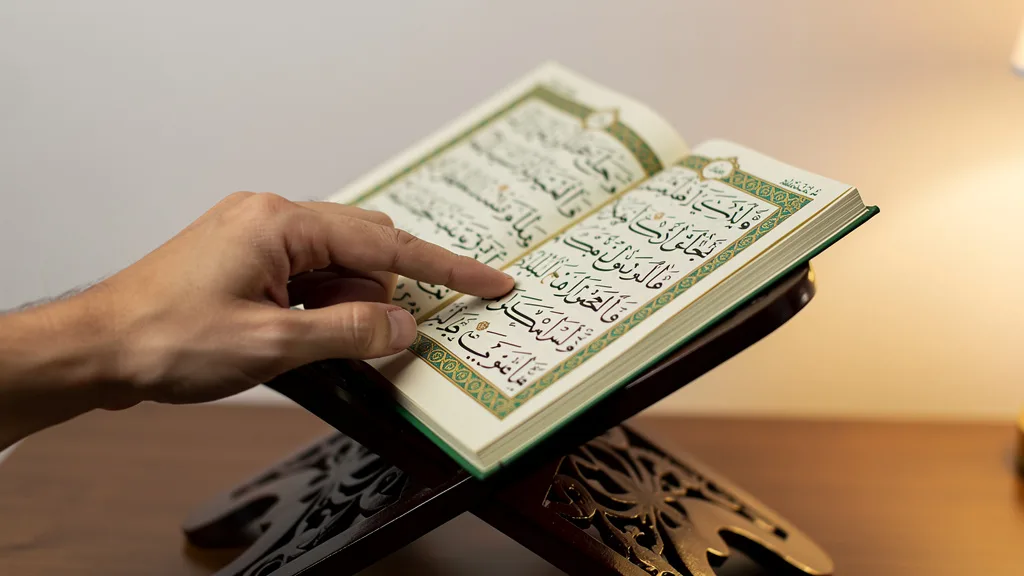
Are you ready to connect with the Holy Quran on a deeper level by reading it in its original language? Learning the Arabic alphabet is the foundational first step on this beautiful and rewarding spiritual journey. With the right method and resources, you can master the letters and their sounds, paving the way for fluent and correct recitation.
To learn the Arabic alphabet for Quran recitation, you must first memorize the 28 letters, then learn the short vowels (harakat), and understand how each letter changes shape depending on its position in a word. Mastering pronunciation through basic Tajweed rules, such as identifying the letter emission points (makhaarij), is critical for accurate recitation. Consistent practice with a qualified teacher will ensure you build a strong foundation.
Understanding the Foundation of Quranic Arabic
Before diving into memorization, it's helpful to understand what makes the Arabic script unique. Unlike the Latin alphabet used for English, Arabic is written from right to left. It is also an "abjad," which means that the script primarily consists of consonants, with short vowels indicated by marks above or below the letters. This structure is elegant and efficient once you become familiar with it.

Quranic Arabic has some distinctions from Modern Standard Arabic, primarily in its vocabulary and grammatical structures. However, the alphabet is the same. By focusing on the script as it is used in the Holy Quran, you are learning the classical form of the language that has been preserved for over 1400 years, connecting you directly to the divine message.
Key Characteristics of the Arabic Alphabet
The Arabic alphabet contains 28 core letters. Each letter represents a specific consonant sound. Some of these sounds have direct equivalents in English, while others are unique to Arabic and require careful practice to master. For example, letters like 'Ayn (ع) and 'Hā' (ح) have no English counterpart and require specific articulation from the throat.
Another key characteristic is the cursive nature of the script. Letters in a word are typically connected, and the shape of a letter changes depending on whether it appears at the beginning (initial), middle (medial), or end (final) of a word. Recognizing these different forms is an essential part of learning to read fluently. You can explore a detailed guide to the 28 letters and their pronunciation to begin your journey.
Why Pronunciation Is Critical for Recitation
In the context of Quran recitation, correct pronunciation is not just a matter of preference, it is a necessity. The meanings of Arabic words can change completely with even a slight mispronunciation of a letter or vowel. This is why Tajweed, the science of proper Quranic recitation, places such a strong emphasis on the correct articulation of each sound. It ensures that the words of Allah are recited exactly as they were revealed.
Learning how to learn Arabic alphabet for Quran recitation correctly from the beginning prevents the formation of bad habits that can be difficult to correct later. Paying close attention to the emission points of the letters and the quality of the vowels will preserve the meaning and beauty of the divine text. This commitment to accuracy is an act of reverence and a crucial part of engaging with the Quran properly.
"Reciting the Quran with correct Tajweed is not an option but an obligation. Every letter has its right, and we must give each letter its due by pronouncing it from its correct articulation point with all its characteristics."
How to Learn the Arabic Alphabet: A Step-by-Step Method
Learning the Arabic alphabet is a systematic process. By breaking it down into manageable steps, you can build your knowledge progressively and avoid feeling overwhelmed. Following a structured approach will help you create a solid foundation for reading and eventually mastering the recitation of Al Qur'an.
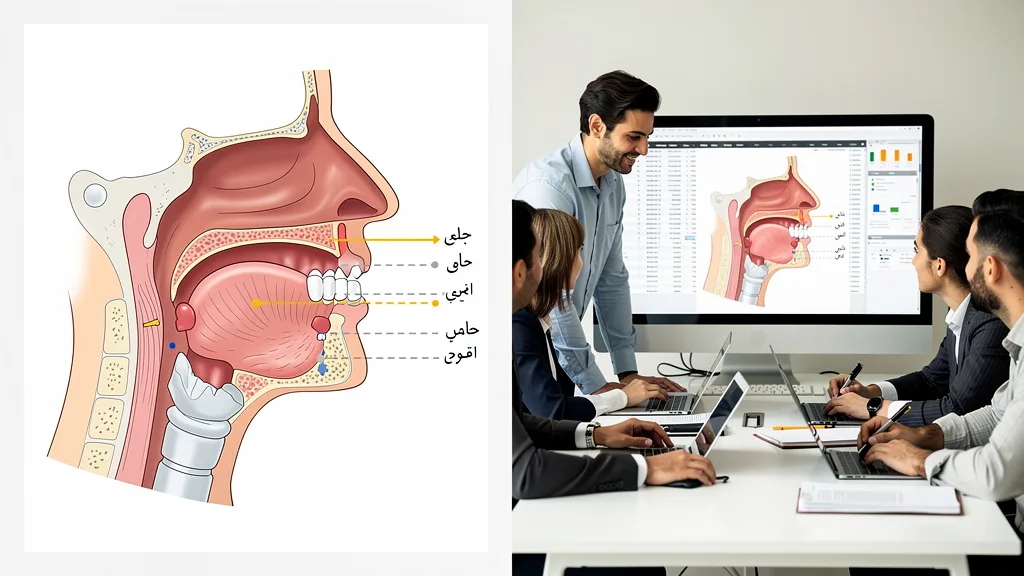
This method focuses on recognition, pronunciation, and application. Each step builds upon the last, taking you from individual letters to connected words. Consistency is key, so aim to practice a little each day rather than cramming everything into one session.
Step 1: Memorize the 28 Core Letters and Their Names
The very first step is to familiarize yourself with the 28 letters of the Arabic alphabet. Start by learning their names and their basic isolated forms. Use flashcards, apps, or charts to drill them until you can recognize each letter instantly. Associate each letter with its corresponding sound.
Focus on a few letters at a time, perhaps three to five per day. Say their names and sounds out loud repeatedly. This active recall and auditory reinforcement will help embed them in your memory much faster than passive reading alone. There are many resources online to help you memorize the Arabic alphabet in a short time.
Step 2: Learn the Short Vowels (Harakat)
Once you are comfortable with the letters, introduce the short vowels, known as Harakat. These are small diacritical marks written above or below the letters to indicate vowel sounds. The three primary short vowels are:
- Fatha ( ﹷ ): A small dash above the letter, producing an "a" sound (as in "cat").
- Kasra ( ﹻ ): A small dash below the letter, producing an "i" sound (as in "sit").
- Damma ( ُ ): A small loop-like mark above the letter, producing a "u" sound (as in "put").
Practice applying these vowels to each of the 28 letters you have learned. For example, take the letter Bā' (ب) and practice saying "ba," "bi," and "bu." This exercise is crucial for understanding how to vocalize words correctly.
Step 3: Recognize the Different Forms of Each Letter
As mentioned earlier, most Arabic letters change their shape depending on their position in a word. A letter can have up to four forms: isolated, initial, medial, and final. You must learn to recognize these variations to read connected text. While it may seem daunting, many letters follow similar patterns of connection, making the process easier over time.
Creating or using a chart that shows all four forms for each letter is an excellent study tool. Practice tracing and writing these forms to build muscle memory. This step is the bridge between knowing the alphabet and actually reading words.
| Letter | Isolated | Final | Medial | Initial |
|---|---|---|---|---|
| Bā' | ب | ـب | ـبـ | بـ |
| Tā' | ت | ـت | ـتـ | تـ |
| Jeem | ج | ـج | ـجـ | جـ |
| 'Ayn | ع | ـع | ـعـ | عـ |
Step 4: Practice Connecting Letters to Form Words
With knowledge of the letters, vowels, and their different forms, you are ready to start connecting them to form words. Begin with simple two-letter and three-letter words. Sound out each letter with its vowel, then blend the sounds together to pronounce the word. For example, by connecting ك (k), ت (t), and ب (b) with Fatha vowels, you get كَتَبَ (kataba), which means "he wrote."
Use beginner-friendly resources like the Noorani Qaida, which is specifically designed to teach this process step-by-step. Reading simple words and phrases builds confidence and trains your eyes to recognize letter connections automatically. This is the most practical and rewarding phase, as you begin to see your efforts turn into the ability to read real Arabic text.
Mastering Correct Pronunciation with Basic Tajweed Rules
To truly master Quran recitation, learning the alphabet is just the beginning. You must also learn the basic rules of Tajweed, which govern pronunciation. This ensures that you recite the Quran with the beauty, clarity, and accuracy it deserves. Focusing on a few core principles from the start will set you up for success.
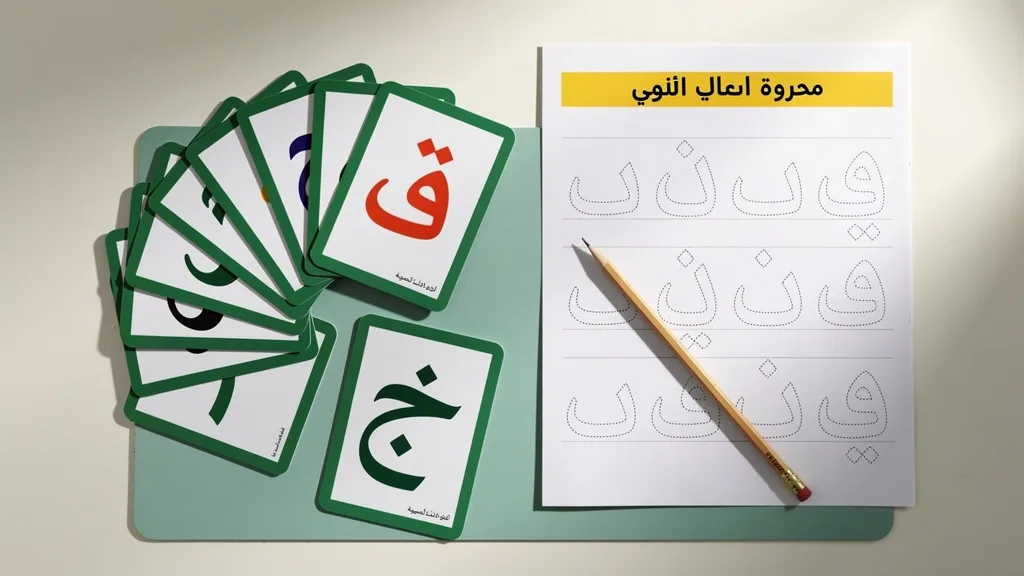
Tajweed is the science of giving every letter its right in recitation. This involves understanding where in the mouth or throat a sound originates, its specific characteristics, and how it is affected by neighboring letters. It is the key to an accurate Quran recitation accent.
Identifying the Letter Emission Points (Makhaarij Al-Huruuf)
One of the most fundamental concepts in Tajweed is Makhaarij al-Huruuf, or the articulation and emission points of the letters. Every Arabic letter has a specific point in the mouth, throat, or nasal cavity from which its sound originates. For example, some letters come from the lips, some from the tip of the tongue touching the teeth, and others from deep in the throat.
Learning these emission points helps you differentiate between similar-sounding letters and pronounce each one with precision. A qualified teacher can demonstrate these points physically and provide feedback on your pronunciation, which is difficult to achieve through self-study alone.
Distinguishing Between Heavy and Light Sounded Letters
Arabic letters are often categorized as being "heavy" (mufakham) or "light" (muraqqaq). Heavy letters, also known as thick sounded or emphatic consonants, are pronounced with a full mouth, where the back of the tongue is raised. Examples include ص (Saad), ض (Daad), ط (Taa'), and ظ (Zhaa').
In contrast, light letters are pronounced with a flat tongue and a more frontal mouth position. Failing to distinguish between these two types can alter the meaning of words. For instance, the letter س (Seen) is light, while ص (Saad) is heavy. Recognizing and producing these distinct sounds is a hallmark of proper recitation.
Using an Audio Pronunciation Helper for Feedback
In the digital age, numerous tools can serve as an audio pronunciation helper. Many apps and websites offer audio clips for each letter and word, allowing you to listen and repeat. This is an invaluable tool for training your ear and voice. Record yourself and compare your pronunciation to the reference audio to identify areas for improvement.
While an audio helper is useful, it cannot replace the personalized feedback of a live teacher. A teacher can listen to your specific pronunciation, identify subtle mistakes, and provide targeted exercises to correct them. This interactive feedback loop accelerates learning and ensures you develop the correct pronunciation habits from the start.
Effective Tools and Resources for Your Learning Journey
Embarking on the journey to learn the Quranic Arabic alphabet is made easier with the wealth of resources available in 2026. Combining digital tools with traditional methods and expert guidance creates a well-rounded and effective learning strategy. Finding the right mix of resources will keep you motivated and engaged.
From interactive apps to the timeless wisdom of a qualified teacher, leveraging these tools can significantly accelerate your progress. It's about finding what works best for your learning style and integrating it into a consistent study routine.
Top Digital Apps and Websites for Practice
There is a wide array of digital tools designed to help you learn the Arabic alphabet. Many apps use gamification with quizzes and challenges to make learning fun and interactive. Websites often provide structured lessons with audio and visual aids. Some popular options include:
- Alphabet and Flashcard Apps: Apps like "Arabic Alphabet by Memorize.com" offer digital flashcards with audio pronunciation.
- Interactive Learning Platforms: Websites like Duolingo have introductory Arabic courses, though they may focus on Modern Standard Arabic.
- Quran-Specific Apps: Apps such as "Learn Quran Tajwid" focus specifically on the pronunciation rules for recitation.
Finding the best free apps to learn Quranic Arabic can provide you with excellent practice tools to use on the go. These resources are great for reinforcing what you learn in your structured lessons.
The Importance of a Qualified Quran Teacher
While digital tools are excellent supplements, the guidance of a qualified teacher is irreplaceable. A teacher provides the structured curriculum, personalized feedback, and motivation that self-study often lacks. They can correct your pronunciation in real-time, explain complex Tajweed rules, and answer your specific questions.
For sisters and children, learning with a female Tajweed teacher online offers a comfortable and private environment. This one-on-one attention ensures that you are building a correct and strong foundation. A teacher acts not just as an instructor but as a mentor, guiding you spiritually and educationally on your journey with the Quran.
Incorporating Worksheets and Flashcards
Never underestimate the power of traditional learning tools. Printable worksheets are excellent for practicing writing the different forms of each letter, which helps with letter recognition and retention. You can find countless free worksheets online for tracing and writing practice.
Physical flashcards are another powerful tool for active recall. You can create your own or purchase a pre-made set. Regularly quizzing yourself with flashcards is one of the most effective ways to move the letters from your short-term to your long-term memory.
Common Challenges and Practical Solutions
Every learning journey has its challenges, and learning the Arabic alphabet is no exception. Being aware of potential hurdles and knowing how to overcome them can help you stay on track and maintain your motivation. With patience and the right strategies, you can navigate these difficulties successfully.

From tricky pronunciations to building a consistent study habit, these common issues are manageable. The key is to address them proactively rather than letting them become sources of frustration.
Overcoming Difficulties with Similar-Sounding Letters
One of the biggest challenges for new learners, especially English speakers, is distinguishing between Arabic letters that sound very similar. Pairs like ت (tā') and ط (ṭā'), or ذ (dhāl) and ظ (ẓā'), can be confusing. The first letter in each pair is 'light,' while the second is 'heavy.'
To overcome this, focus on the Makhaarij (emission points). Listen carefully to an audio pronunciation helper or your teacher, and try to mimic the sound precisely. Exaggerate the difference at first. For heavy letters, imagine your mouth is full, and for light letters, smile slightly. Repetition and focused listening are key.
Tips for Building a Consistent Study Habit
Consistency is more important than intensity. Studying for 15-20 minutes every day is far more effective than a single two-hour session once a week. To build this habit, you can follow a few simple tips that many people who want to learn arabic to recite the Quran find helpful.
- Schedule Your Study Time: Designate a specific time each day for your Arabic practice and treat it as a non-negotiable appointment.
- Set Small, Achievable Goals: Instead of aiming to 'learn Arabic,' set a goal like 'learn three new letters today' or 'practice writing the letter Bā' in all its forms.'
- Create a Dedicated Study Space: Having a quiet, organized space free from distractions can help you focus.
- Find a Study Partner or Teacher: Accountability can be a powerful motivator. A teacher can provide the structure and encouragement you need to stay consistent.
Key Takeaways
Learning the Arabic alphabet for Quran recitation is an attainable goal with a structured approach. Here are the most important points to remember as you begin your journey in 2026:
- Start with the Basics: Master the 28 letters, their names, and sounds before moving on. A strong foundation is crucial.
- Pronunciation is Paramount: Focus on correct pronunciation from day one using Tajweed principles like Makhaarij to avoid forming bad habits.
- Follow a Step-by-Step Method: Learn the letters, then vowels (Harakat), then letter forms, and finally, practice connecting them into words.
- Use a Mix of Resources: Combine digital apps and websites for practice with traditional tools like worksheets and flashcards for reinforcement.
- Seek Expert Guidance: The personalized feedback and structured learning provided by a qualified Quran teacher are invaluable for mastering correct recitation.
- Be Consistent and Patient: Small, consistent efforts every day lead to significant progress over time. Embrace the journey and be patient with yourself.
Frequently Asked Questions
How long does it typically take to learn the Arabic alphabet for the Quran?
The time it takes to learn the Arabic alphabet varies depending on individual effort, consistency, and prior language experience. With consistent daily practice of about 20-30 minutes, most learners can become familiar with the letters, their forms, and basic reading within a few weeks to a couple of months.
Achieving fluency and mastering Tajweed rules for proper recitation is a longer, ongoing journey. However, the initial goal of being able to recognize and sound out letters and words in the Quran is very achievable in a relatively short period with focused study.
Can I learn to recite the Quran properly without a teacher?
While you can learn the basic alphabet on your own using apps and online resources, learning to recite the Quran properly with correct Tajweed is extremely difficult without a qualified teacher. Pronunciation nuances, letter characteristics, and articulation points are subtle and require real-time feedback for correction.
A teacher can listen to you, identify mistakes you may not even be aware of, and provide targeted guidance. Self-study can lead to ingrained pronunciation errors that are hard to fix later. Therefore, a teacher is highly recommended for anyone serious about proper recitation.
What is the main difference between modern Arabic and Quranic Arabic?
The main differences between Modern Standard Arabic (MSA) and Quranic (or Classical) Arabic lie in vocabulary, grammar, and style. Quranic Arabic is the form of the language found in the Quran and is more complex in its grammatical structures. MSA is the language used today in books, news, and formal speech across the Arab world.
While the alphabet and basic grammar are the same, many words used in the Quran are no longer in common use today. For the purpose of recitation, you will focus on Quranic Arabic, but the foundational alphabet skills are transferable.
Should I learn Tajweed rules from the very beginning?
Yes, it is highly beneficial to learn basic Tajweed rules from the very beginning of your journey. Integrating pronunciation rules as you learn the letters helps you build correct habits from the start. You don't need to master all the advanced rules at once, but learning the correct articulation point (Makhraj) for each letter is fundamental.
Starting with Tajweed prevents the need to unlearn incorrect pronunciation later, which can be a much more challenging process. A good teacher will introduce these rules gradually as you progress through the alphabet and begin reading words.
What are the most difficult Arabic letters for English speakers to pronounce?
Several Arabic letters pose a challenge for native English speakers because their sounds do not exist in the English language. These are typically the guttural letters that originate from the throat. The most common difficult letters include:
'Ayn (ع), Ghayn (غ), Ḥā' (ح), Khā' (خ), Qāf (ق), and Ḍād (ض). Mastering these requires focused practice, listening carefully to native speakers, and ideally, guidance from a teacher who can show you the correct mouth and throat positions.
Conclusion
Learning the Arabic alphabet is the first and most vital step toward reciting the Holy Quran as it was revealed. By following a systematic approach that includes mastering the letters, understanding vowels, and focusing on correct pronunciation with basic Tajweed, you can build a strong and lasting foundation. Remember that consistency, patience, and the right resources are your greatest allies on this sacred and fulfilling path.
Ready to take the first step with expert guidance? At Hidayah Quran Academy, our qualified female teachers provide private, one-on-one classes for sisters and children in a supportive environment. You can start your journey today with a no-obligation trial. Book Free Trial.