
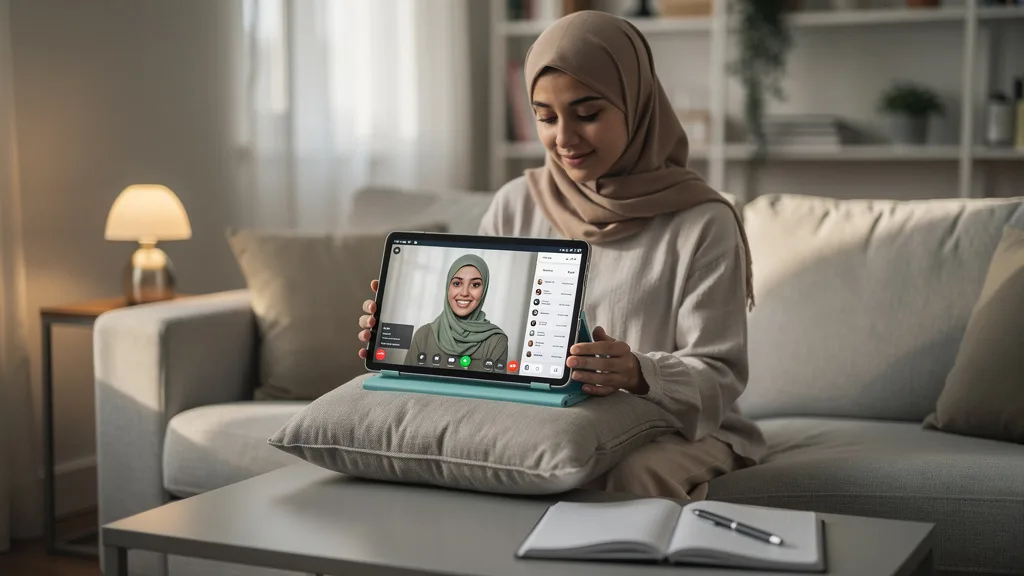
Are you eager to learn Arabic but concerned about the potential cost? Finding a high-quality online course that fits your budget can feel like a challenge, but it is entirely achievable with the right strategy. From understanding pricing structures to leveraging free resources, there are numerous ways to make your language learning journey both effective and affordable.
To save money on online Arabic course fees in 2026, you should compare pricing models like monthly subscriptions versus bulk packages, seek tutors from regions with a lower cost of living, and take advantage of free trials. Supplementing paid lessons with free resources like language exchange apps and university materials can also significantly reduce your overall expenses while accelerating your progress.
Understanding the Typical Costs of Online Arabic Courses
Before you can save money, it's essential to understand what you can expect to pay. The cost of an online Arabic course varies widely based on the provider, the tutor's qualifications, and the course format. Most platforms use one of a few common pricing models, each with its own benefits. Understanding these will help you choose the most cost-effective option for your learning style and budget.
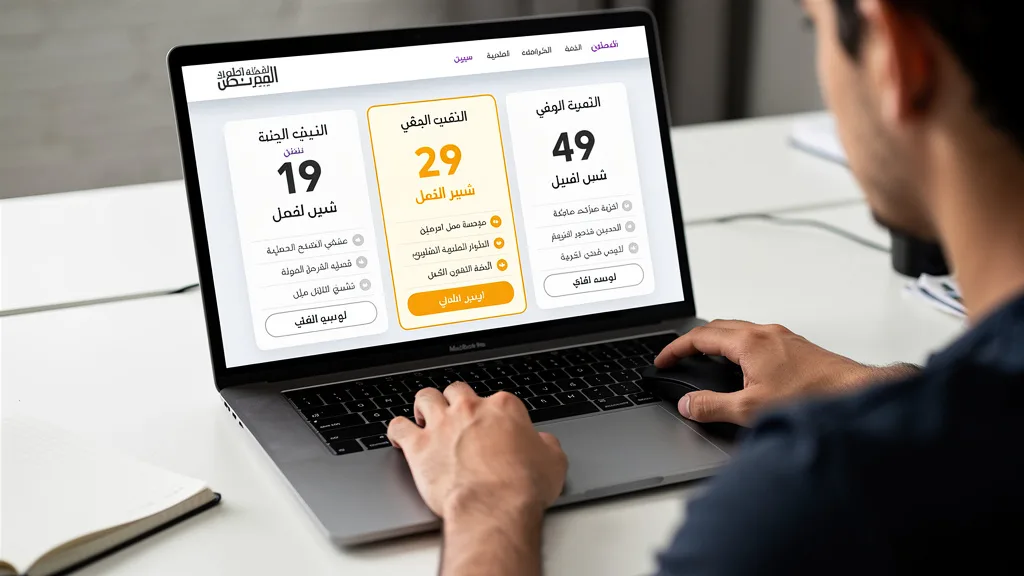
A detailed breakdown of pricing helps you compare apples to apples. Some providers charge by the hour, offering flexibility, while others provide monthly subscriptions for a set number of classes. For dedicated learners, purchasing a large block of hours upfront often yields the best per-lesson rate. A comprehensive Arabic course cost guide can provide deeper insights into what you should expect to budget.
A Breakdown of Common Pricing Models in 2026
In 2026, the most prevalent pricing models for learning Arabic online are hourly rates, package deals, and monthly subscriptions. Hourly rates, which can range from $10 to $40+, offer the most flexibility, allowing you to pay as you go. This is ideal for learners with unpredictable schedules or those who want to try a tutor before committing.
Package deals involve purchasing a set number of lessons in advance, such as 10, 20, or 50 hours, often at a discounted hourly rate. Subscriptions are also popular, where you pay a flat monthly fee for a certain number of classes per week. This model provides structure and can be very cost-effective for consistent learners, making it a popular choice for many students who want to learn Arabic online.
Factors That Influence Tutor Rates and Course Prices
Several key factors determine the price of an online Arabic course. A tutor's qualifications, native language proficiency, and years of experience play a significant role. Tutors with advanced degrees or specialized certifications in teaching Arabic as a foreign language typically charge more. The tutor's location is another major influencer; a tutor based in the USA or UK will generally have higher rates than one in Egypt or Pakistan due to differences in the cost of living.
The type of class also affects the price. Private, one-on-one lessons are the most expensive option but offer personalized attention and a customized curriculum. Group classes are more affordable but provide less individual feedback. Finally, the course's focus can impact cost, with specialized instruction like business Arabic or advanced literary analysis often priced higher than beginner conversation classes. You can see a range of current 2026 Private Arabic Tutor Rates to get a better sense of the market.
Comparing Beginner Plans vs. Advanced Learning Packages
When exploring course options, you'll notice a difference between beginner plans and advanced packages. Beginner plans are often designed as an entry point, featuring foundational content like the Arabic alphabet (Alif Baa) and basic conversational phrases. These plans may have a lower monthly cost or be offered in smaller, more affordable packages to encourage new students to sign up.
Advanced learning packages, on the other hand, are geared toward serious students aiming for fluency. These often include in-depth grammar, complex vocabulary, and specialized topics like Quranic Arabic with Tajweed or media analysis. While the upfront cost of these packages may be higher, the per-hour rate is often significantly lower, reflecting a long-term commitment from both the student and the provider.
Top Strategies for Reducing Your Arabic Course Expenses
Actively seeking out discounts and cost-effective options can dramatically lower your expenses. The most effective way to manage how to save money on online Arabic course fees in 2026 is to be a savvy consumer. By combining several strategies, you can access high-quality instruction without straining your finances.
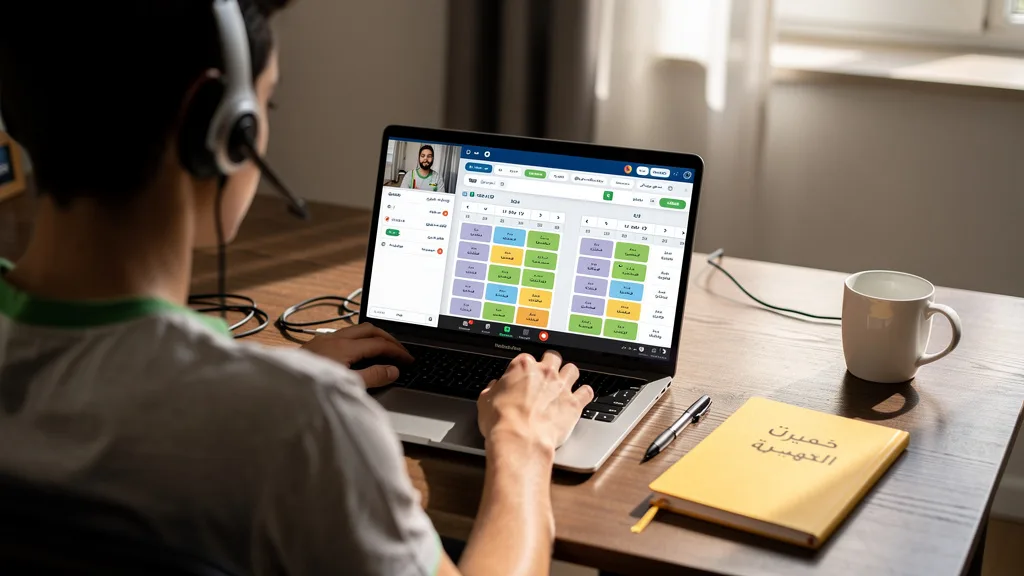
From choosing the right class format to timing your purchase, simple decisions can lead to significant savings. Many platforms are eager to attract and retain students, offering various incentives that you can use to your advantage. Being proactive and doing a little research will pay dividends throughout your learning journey.
Opt for Group Classes Over Private Tutoring
If your primary goal is to lower costs, group classes are an excellent choice. By sharing the tutor's time with a few other students, the per-person fee is substantially reduced compared to private lessons. This format is great for practicing conversational skills and learning from the questions and mistakes of your peers. While you receive less individual attention, the collaborative environment can be highly motivating for some learners.
However, it's important to ensure the group size is small, typically no more than 4-6 students, to ensure you still get adequate speaking time and instructor feedback. For subjects like Quranic recitation, where precision is key, the benefits of a 1-on-1 female Quran tutor may outweigh the cost savings of a group setting.
Book Lessons in Bulk to Secure Package Discounts
One of the most straightforward ways to save money is by purchasing lessons in bulk. Nearly all online tutoring platforms and academies offer discounts for students who commit to a larger number of hours upfront. For example, buying a 40-hour package could reduce the hourly rate by 15-25% compared to paying for single lessons. This is a win-win: the provider secures a long-term student, and you lock in a lower price.
Before purchasing a large package, it is crucial to be confident in your choice of tutor and platform. Always take advantage of a free trial lesson to assess the teaching style, connection quality, and overall fit. Once you are satisfied, committing to a bulk package is a smart financial move for the dedicated learner.
Find Tutors from Regions with a Lower Cost of Living
The global nature of online learning allows you to connect with tutors from all over the world. A tutor's geographic location significantly impacts their rates. Tutors based in countries like Egypt, Jordan, or Pakistan often charge considerably less than their counterparts in North America or Western Europe, simply because their cost of living is lower. This does not mean a compromise on quality; many of these tutors are highly qualified native speakers with university degrees.
When searching on tutoring platforms, use filters to search for tutors by country of origin. This single adjustment can reveal a host of affordable, high-quality options. You can find excellent, experienced instructors for a fraction of the price you might pay for a tutor based locally.
Take Advantage of Off-Peak Hour Pricing
Some platforms and tutors offer lower rates for lessons scheduled during off-peak hours. Peak hours are typically evenings and weekends when most students are available. If your schedule is flexible, consider booking lessons during weekday mornings or early afternoons. Tutors are often looking to fill these less popular time slots and may offer a discount to do so.
This strategy requires you to inquire directly with the tutor or check the platform's pricing structure. While not always advertised, it's a common practice. A small adjustment to your schedule could lead to consistent savings over time, making your language learning journey more sustainable. 2026 Private Arabic Tutor Rates.
Look for Seasonal Promotions and Holiday Sales
Keep an eye out for seasonal promotions, especially around major holidays. Many online education companies run sales during periods like Ramadan, Black Friday, or the New Year. These promotions can include significant discounts on course packages or special introductory offers for new students.
To stay informed, subscribe to the newsletters of platforms you are interested in and follow them on social media. This is often where they announce limited-time deals. Planning your purchase around these sales events can be a simple yet highly effective way to reduce your costs.
Finding Affordable and Free Arabic Learning Resources
Paid courses are not the only path to learning Arabic. A wealth of free and low-cost resources can supplement your formal lessons or even serve as your primary learning method if you are highly self-motivated. Combining structured lessons with these tools is a powerful strategy for maximizing progress while minimizing cost.
From mobile apps to university archives, the internet has democratized language education. By tapping into these resources, you can immerse yourself in Arabic daily without spending a fortune. This approach reinforces what you learn in class and keeps your motivation high.
Leveraging Language Exchange Apps and Communities
Language exchange apps like HelloTalk, Tandem, and Speaky are fantastic tools for practicing your conversational skills for free. These platforms connect you with native Arabic speakers who want to learn your language. You can chat via text, voice messages, and video calls, providing invaluable real-world practice.
While a language exchange partner is not a substitute for a professional tutor, they can help you build confidence, learn colloquialisms, and improve your fluency. Joining online communities on platforms like Reddit (e.g., r/learn_arabic) or Facebook also provides a space to ask questions and find practice partners.
Using Free University Materials and Online Libraries
Many universities and educational institutions offer free resources online. Look for OpenCourseWare (OCW) from universities with strong Middle Eastern studies programs. These can include lecture notes, video lessons, and syllabi from introductory to advanced Arabic courses. While you won't get instructor feedback, these materials are of high academic quality.
Additionally, online libraries and archives like the Quran Archive or Project Gutenberg may host classic Arabic texts and translations. For learners focused on Classical or Quranic Arabic, these resources are invaluable. They provide authentic reading material to supplement your studies.
Supplementing Paid Lessons with YouTube and Podcasts
YouTube is a goldmine for Arabic learners. Countless channels offer free lessons on everything from the alphabet and grammar to dialect-specific content. Look for creators who are experienced teachers and provide structured playlists for beginners. Similarly, podcasts designed for Arabic learners allow you to practice your listening skills during your commute or while doing chores.
These free resources are perfect for reinforcing concepts you've learned in your paid lessons. If you're struggling with a particular grammar point, a quick search on YouTube will likely yield several clear explanations. Using these tools effectively reduces the need for extra paid tutoring hours. You can even find specific apps to learn Quranic Arabic that complement this approach.
Group vs. Private Lessons: A Cost-Benefit Analysis
Choosing between group and private lessons is one of the most significant decisions you'll make. The right choice depends on your budget, learning style, and goals. Private lessons offer a tailored experience, with the curriculum and pace set entirely according to your needs. This is particularly beneficial for specific goals like Hifz (Quran memorization) or preparing for an exam.
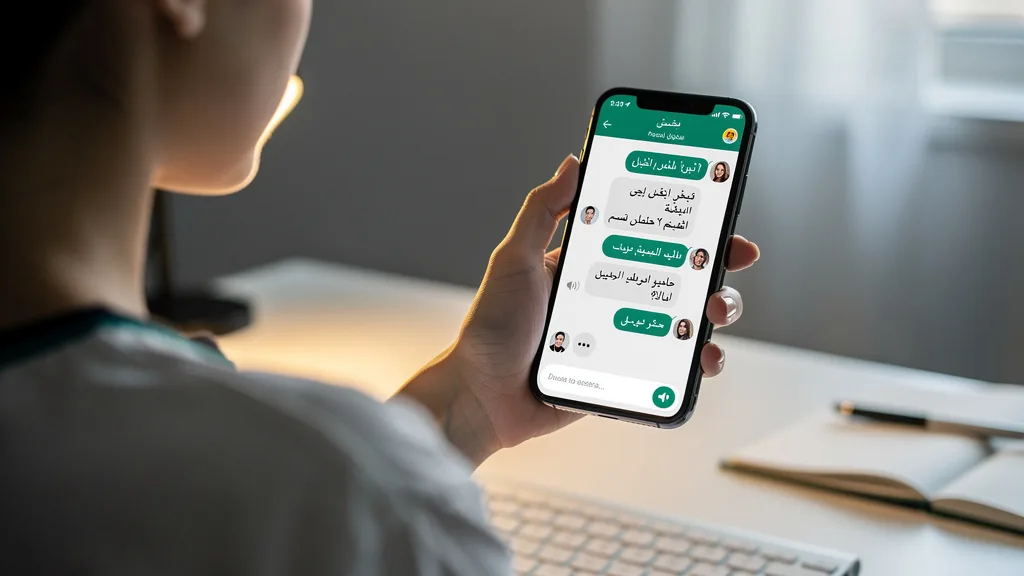
Group lessons, on the other hand, provide a more social and collaborative learning environment at a lower cost. They are excellent for developing conversational skills and gaining exposure to different accents and questions from fellow students. The table below outlines the key differences to help you decide.
"While group classes offer savings, the personalized feedback from a private tutor can accelerate your learning, potentially offering better value over time, especially for detail-oriented subjects like Tajweed."
| Feature | Group Lessons | Private Lessons |
|---|---|---|
| Cost | Lower per-person fee | Higher per-person fee |
| Personalization | Standardized curriculum, less individual attention | Fully customized to your pace and goals |
| Pace | Set by the group's average speed | Flexible, set entirely by your progress |
| Scheduling | Fixed class times | Highly flexible, scheduled with your tutor |
| Social Interaction | High, opportunity to learn from peers | Low, focused interaction with the tutor |
How to Avoid Hidden Fees and Unfavorable Terms
Finding an affordable course is only half the battle; you also need to ensure there are no surprises down the line. Some providers may have hidden fees or restrictive terms that can turn a great deal into a financial headache. Being diligent and reading the fine print before you commit is essential for a positive and stress-free learning experience.
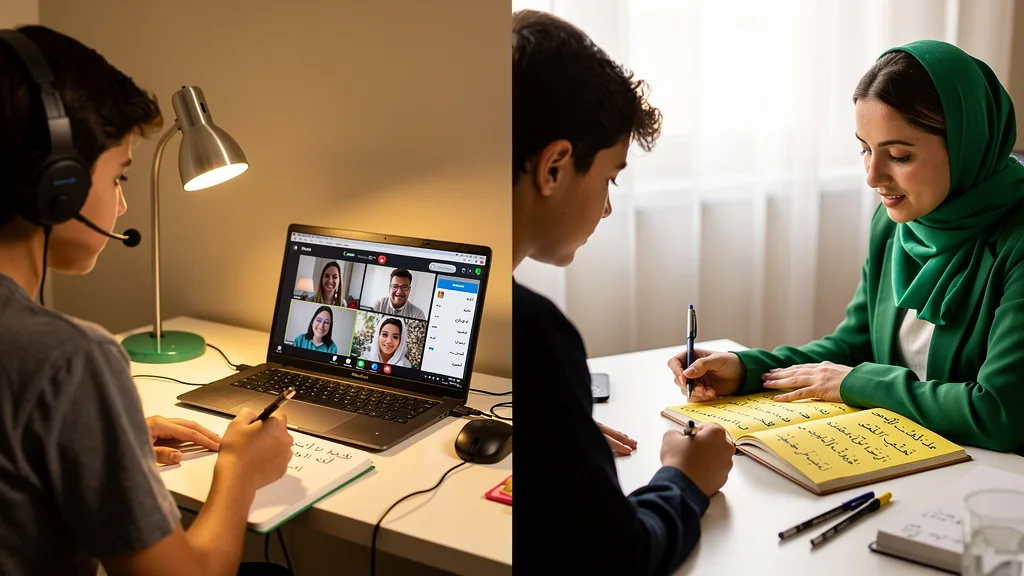
From charges for learning materials to inflexible subscription models, unexpected costs can add up. By asking the right questions and carefully reviewing all policies, you can protect yourself from unfavorable terms and ensure the price you see is the price you pay.
Identifying Extra Costs for Materials or Certifications
When you sign up for a course, ask explicitly if the fee includes all necessary learning materials. Some academies charge extra for digital textbooks, workbooks, or access to their proprietary software. While these costs may be small individually, they can accumulate over time.
Similarly, if you want a certificate of completion at the end of your course, confirm whether there is a fee for issuing it. Reputable providers are usually transparent about these costs, but it's always wise to inquire directly. Ask for a complete list of all potential charges beyond the tuition fee before you make a payment.
The Pros and Cons of Long-Term Subscription Plans
Long-term subscription plans, such as 6-month or annual commitments, often come with a steep discount. This can be an excellent way to save money if you are certain about your commitment to learning Arabic with that specific provider. The main pro is the significant cost savings per month.
However, the major con is the lack of flexibility. If you become dissatisfied with the tutor, or if your personal circumstances change and you can no longer attend classes, you may be locked into the contract. You could end up paying for lessons you are not using, so it's vital to understand the cancellation policy before signing up for a long-term plan.
Reviewing Cancellation and Refund Policies Before You Pay
Before entering your payment information, locate and thoroughly read the cancellation and refund policy. A fair policy will allow you to cancel your subscription or package with reasonable notice and may offer a partial refund for unused lessons. Be wary of providers with a strict no-refund policy.
Key questions to ask include: What is the process for canceling? How much notice is required? Are refunds offered for unused lessons if I cancel a bulk package early? A transparent and flexible policy is a sign of a reputable, customer-focused organization.
Key Takeaways
Making your Arabic learning journey affordable in 2026 is about smart planning and strategic choices. By understanding the market and leveraging available resources, you can secure quality education without overspending. Here are the most important points to remember:
- Compare Pricing Models: Analyze hourly, package, and subscription options to find the best fit for your budget and commitment level.
- Be a Strategic Shopper: Save money by booking in bulk, choosing tutors from lower-cost regions, and looking for seasonal promotions.
- Leverage Free Resources: Supplement paid lessons with language exchange apps, YouTube tutorials, and podcasts to accelerate learning and reduce the need for extra classes.
- Choose the Right Format: Weigh the cost-benefit of group versus private lessons based on your specific learning goals and financial situation.
- Read the Fine Print: Always review cancellation policies and inquire about hidden fees for materials or certificates before making a payment.
Frequently Asked Questions
What is the best online Arabic course?
The "best" online Arabic course is subjective and depends on your goals. For Quranic studies, a platform offering specialized instruction in Tajweed and Classical Arabic with a qualified tutor is ideal. For conversational skills, a course focused on a specific dialect might be better. Look for platforms with excellent reviews, qualified native-speaking teachers, and a free trial to assess their teaching style. The Best Online Arabic Courses Compared can offer a good starting point for your research.
What is the best resource to learn Arabic online?
Ultimately, the quality of the teacher is more important than the platform itself. Finding a patient, experienced, and engaging instructor will have the biggest impact on your success. For sisters and children, finding a dedicated female Quran teacher online can create a comfortable and effective learning environment.
What is the best website to learn Arabic online?
The best resource is a combination of a structured course and supplementary materials. A formal course with a live tutor provides guidance and personalized feedback. This should be combined with free resources like language exchange apps (e.g., HelloTalk) for practice, YouTube channels for grammar explanations, and podcasts for listening comprehension. This blended approach ensures you are building a strong foundation while also getting real-world exposure to the language.
How long will it take to learn Arabic fluently?
For learners focused on the Quran, the best resource is a tutor who specializes in Noorani Qaida and Tajweed. This foundational knowledge is critical for proper recitation and understanding. Combining lessons with apps that focus on Quranic vocabulary can further enhance your learning.
There are many excellent websites, each with different strengths. Platforms like italki offer a wide variety of independent tutors at different price points. Academies like Hidayah Quran Academy provide a structured curriculum specifically for Quranic Arabic with vetted female teachers. Others like Natakallam offer practice with native speakers from displaced communities. The best website for you will align with your budget, learning style, and specific goals, whether they be conversational fluency or religious studies.
To find the best fit, read reviews, compare pricing, and most importantly, take advantage of free trial lessons. A trial allows you to experience the platform and teacher's methodology firsthand before making a financial commitment. This is the most reliable way to determine if a website is right for you.
The time it takes to learn Arabic fluently varies greatly depending on several factors. These include your native language, the amount of time you dedicate to studying each week, your learning methods, and the intensity of your immersion. The U.S. Foreign Service Institute estimates it takes approximately 2200 class hours (88 weeks) for a native English speaker to reach proficiency in Arabic.
However, you can achieve conversational ability much faster, often within 6-12 months of consistent study. Setting realistic goals is key. Aim for milestones like being able to introduce yourself, read a simple text, or understand a short Quranic verse. Consistency is more important than speed on the path to fluency.
Conclusion
Learning Arabic online in 2026 doesn't have to be expensive. By understanding course pricing, actively seeking discounts, and supplementing paid lessons with abundant free resources, you can create an effective and affordable learning plan. The key is to be a proactive student, researching your options, reading all terms carefully, and choosing a path that aligns with your personal and financial goals. With these strategies, you can unlock the beauty of the Arabic language without breaking your budget.
At Hidayah Quran Academy, we believe everyone deserves access to high-quality Quranic education. We offer private, 1-on-1 classes with qualified female teachers for sisters and children in a supportive environment. See if our approach is right for you or your family with a complimentary 30-minute trial lesson. Book Free Trial.